Two pieces added to the wildlife connectivity puzzle along Interstate 90
Two private land deals have closed, bringing more wildlife connectivity along Montana’s Interstate 90.
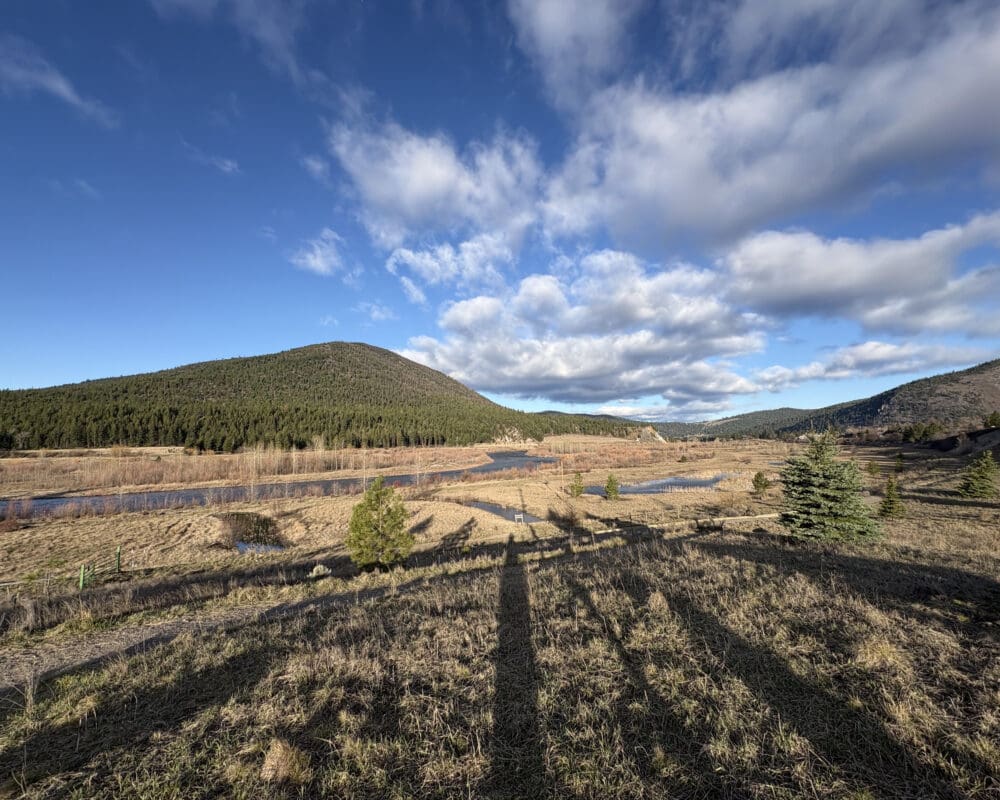
Two private land deals have closed, bringing more wildlife connectivity along Montana’s Interstate 90.
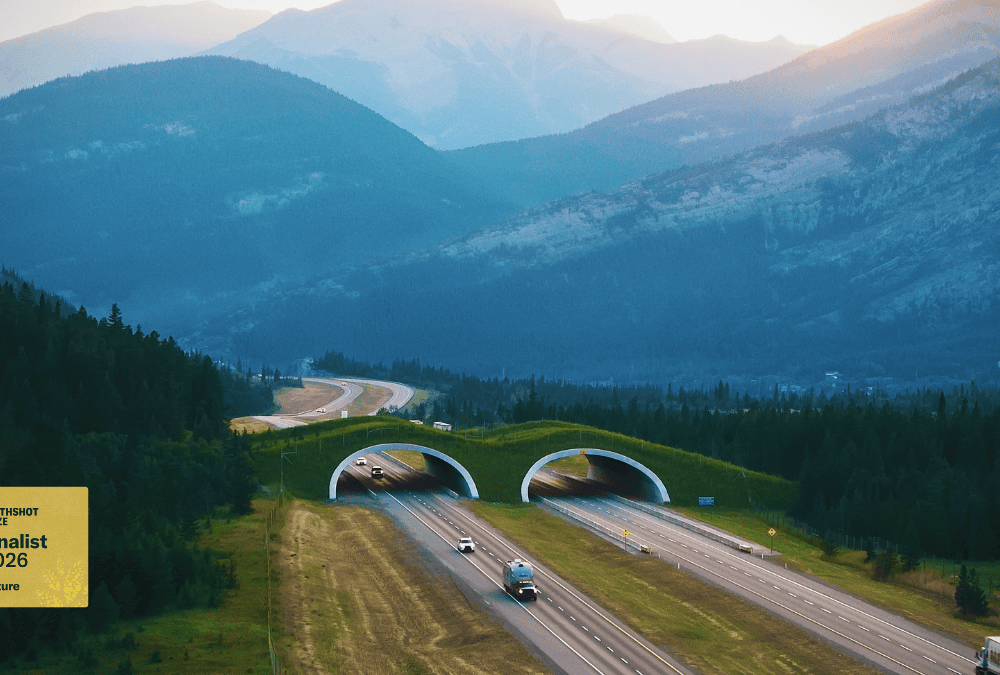
The Yellowstone to Yukon Conservation Initiative (Y2Y) has been named a 2026 finalist for The Earthshot Prize, recognizing Y2Y and its partners as a global model for large-scale conservation at the scale nature needs to reverse the loss of biodiversity and a warming climate.
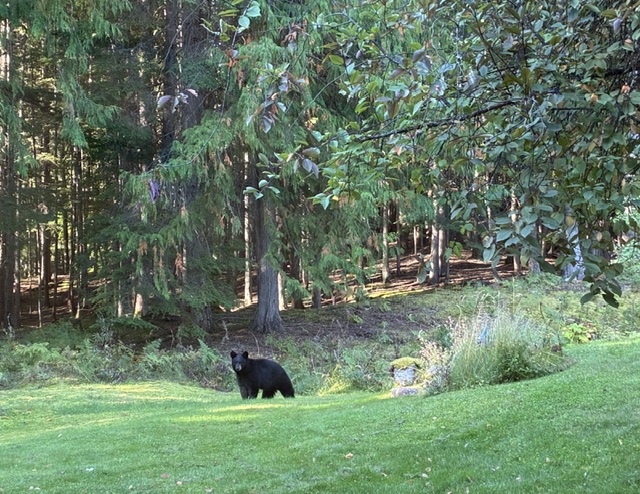
The Union of British Columbia Municipalities (UBCM) passed a resolution today calling on the Province of B.C. to reactivate its Bear Smart Community Program, a program that assists communities and…
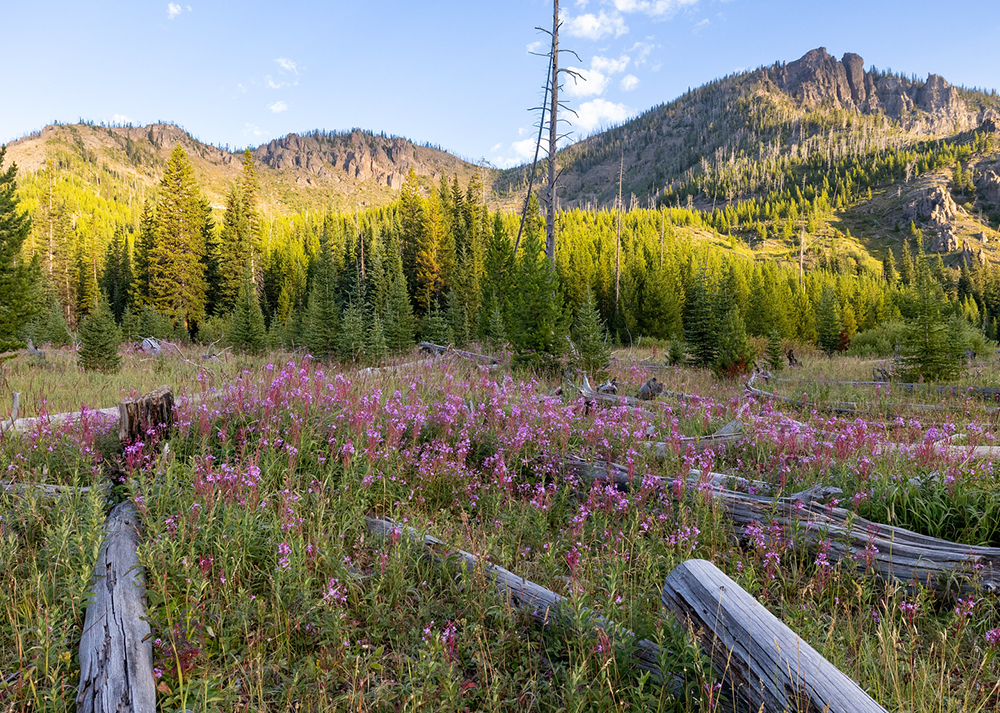
One of the most important steps to addressing climate change? Preserve nature first.
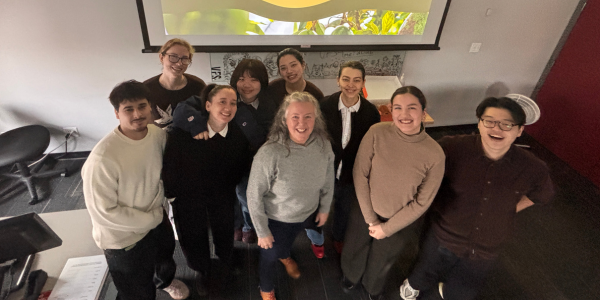
This past winter, Yellowstone to Yukon partnered with students in the Digital Design program at Vancouver Film School, inviting three student teams to develop creative concepts that could inspire more people to care about wildlife connectivity and the importance of protecting the Y2Y region.
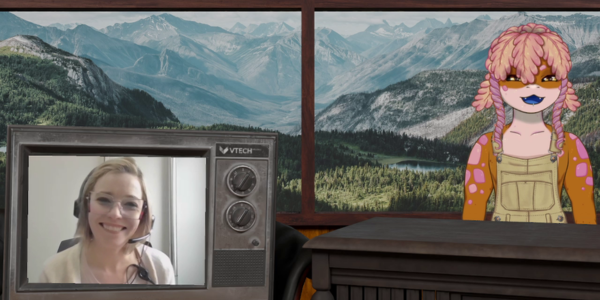
This past summer, plant-based virtual YouTuber Brynlea invited Y2Y to join her livestream to talk about the work behind the scenes of wildlife crossings and protected areas.
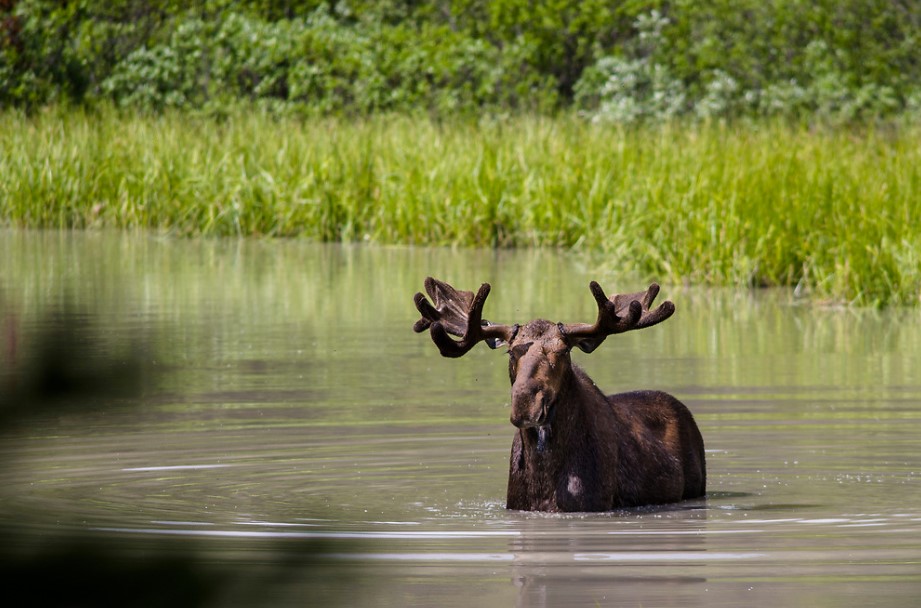
Support Kaska First Nations in their efforts to protect Dene K’éh Kusān.
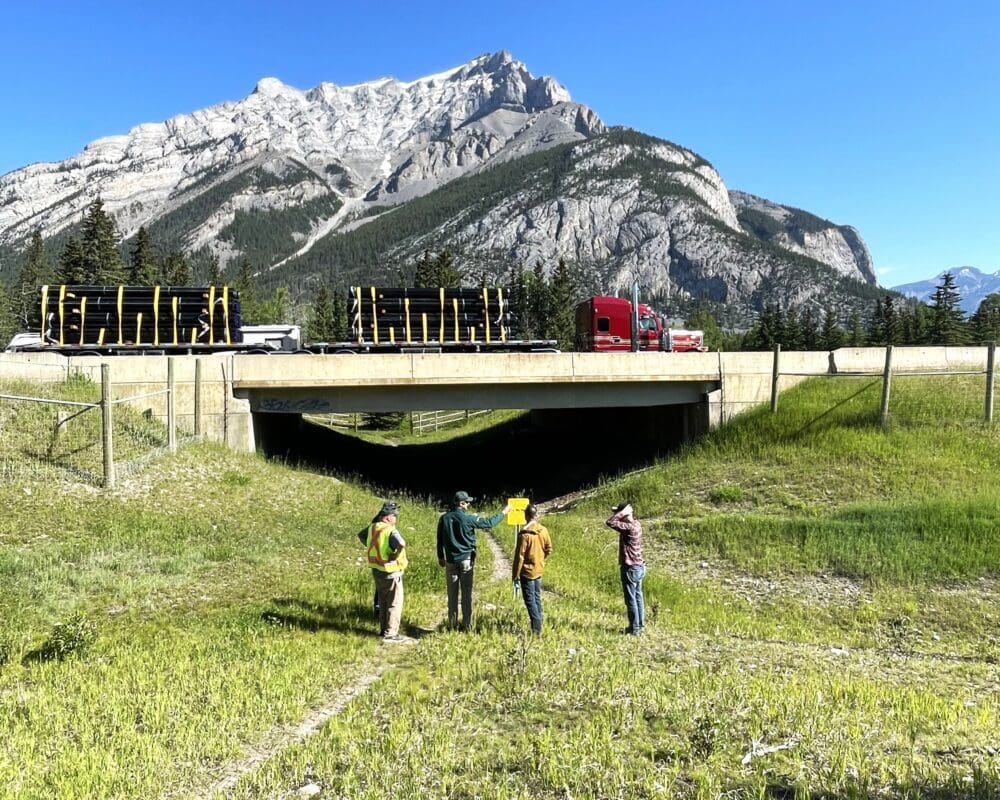
Transboundary collaboration of government agencies builds momentum for wildlife crossing projects Last week, while the Calgary Stampede filled the streets with music and crowds, a quieter kind of progress built just outside the…
Y2Y is thrilled to celebrate Dr. Graham McDowell as the recipient of the Canadian Association of Geographers’ 2026 award for scholarly distinction in geography The Canadian Association of Geographers is…
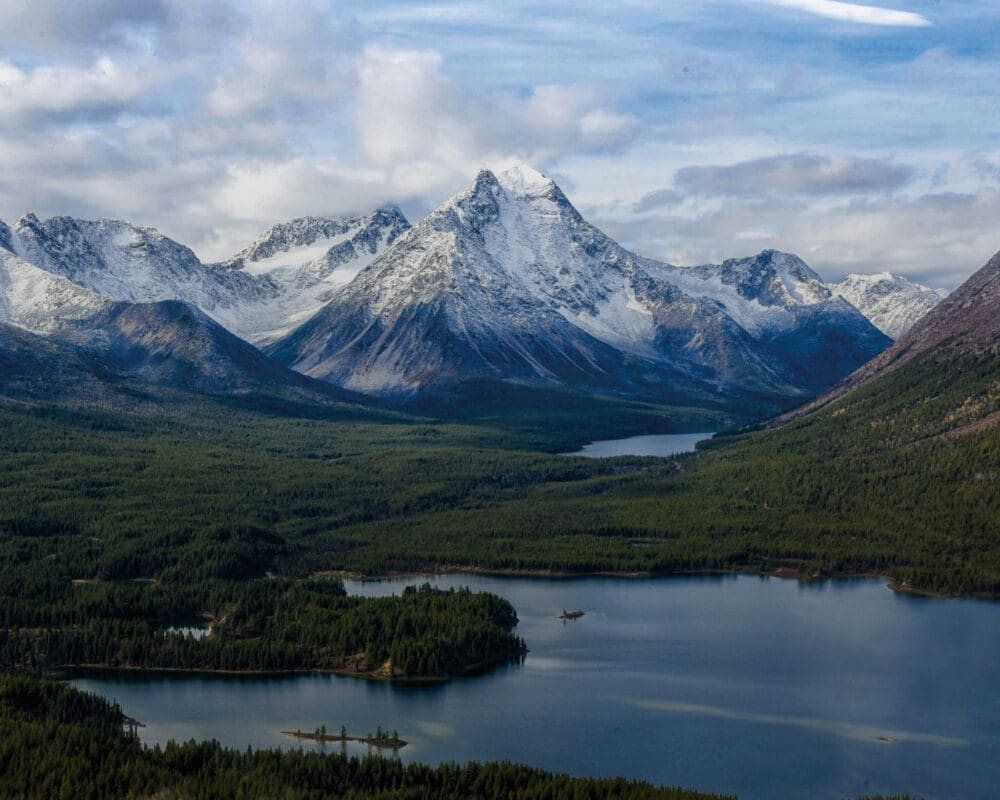
Y2Y welcomes news that land use planning has been launched for Dene K’éh Kusān, Meziadin, and Klappan in British Columbia.
Thanks to you, we’re making progress towards protecting and connecting more of the Yellowstone to Yukon region.
Sign up for the latest wins, alerts, inspiring stories and ways to take action to protect the Yellowstone to Yukon region