News Archives - Yellowstone to Yukon Conservation Initiative

Out now: catch up on last year’s successes in our 2025 Impact Report

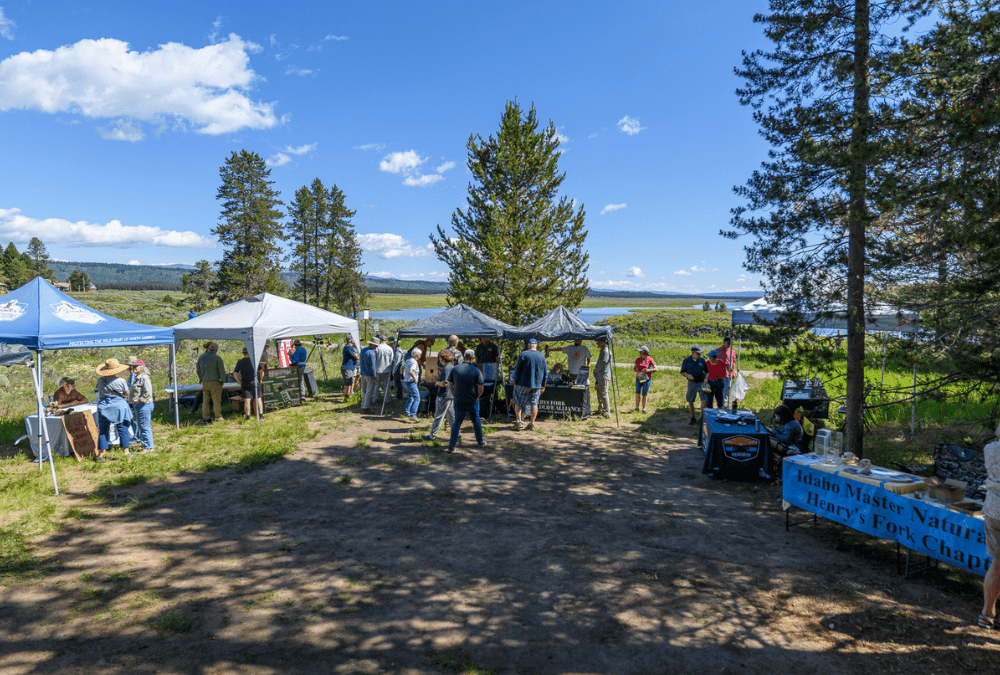
People gather for a festival. Information booths surround a clearing in the forest.

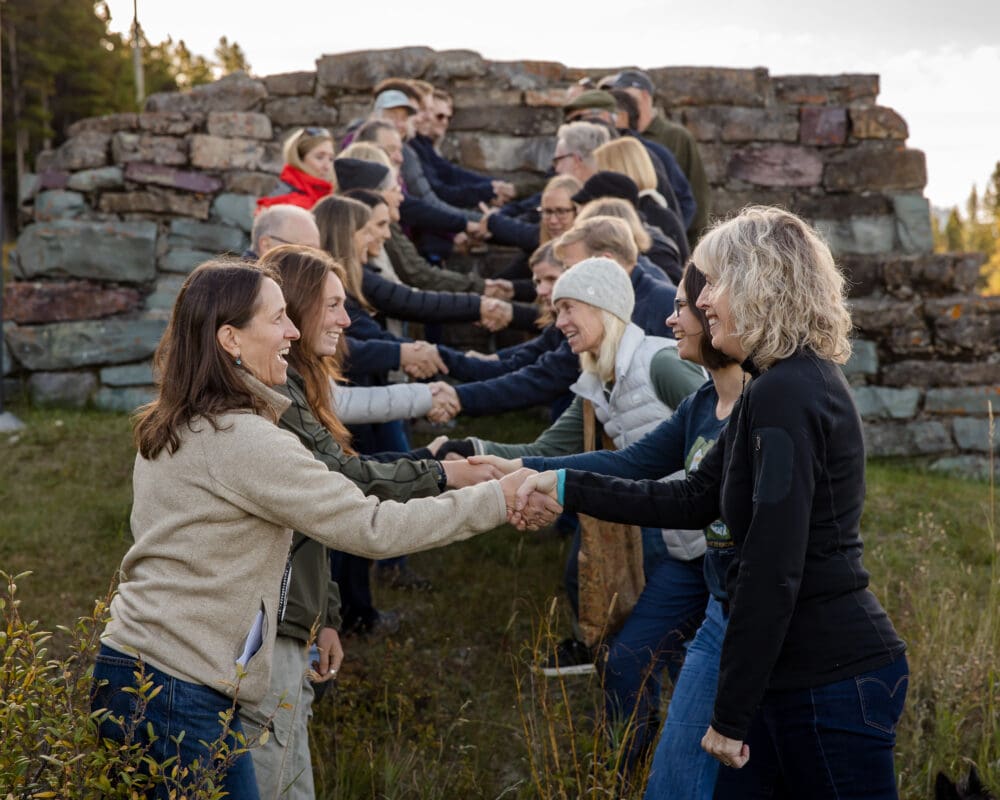
Conservation through collaboration

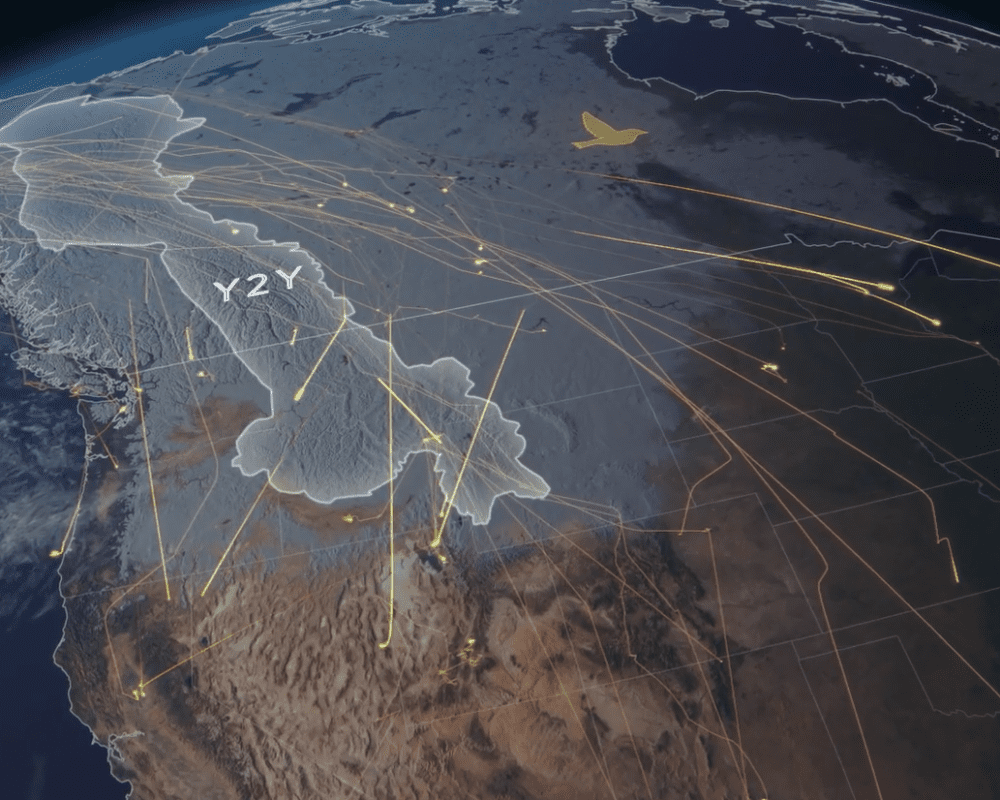
Achieving our vision across the Yellowstone to Yukon region — spanning the Yukon in Canada to Wyoming in the U.S. and at least 75 Indigenous territories — requires deep and ongoing collaboration. Here are just some of the impactful partnerships we are proud to be a part of in 2025.

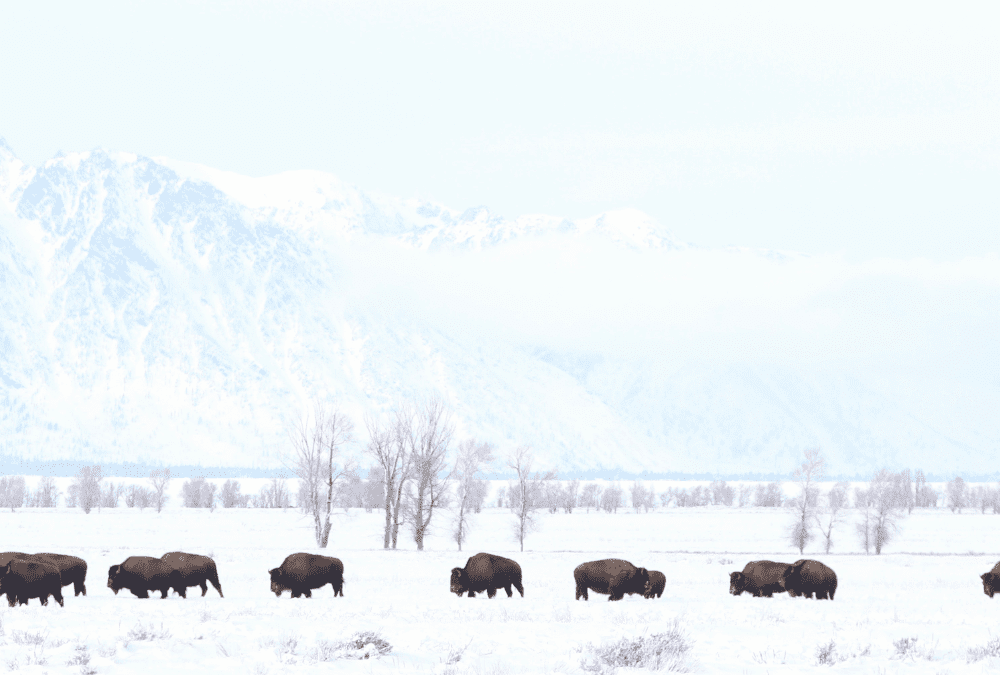
A herd of bison walk through a snowy field. Snow-capped mountains rise in the distance.

From collaboration and science to enduring conservation

Y2Y works to advance conservation by partnering with diverse communities to connect and protect this vast, ever-changing mountain region. To guide our conservation efforts, we draw from the best available information, including from natural and social sciences as well as local and Indigenous knowledge.

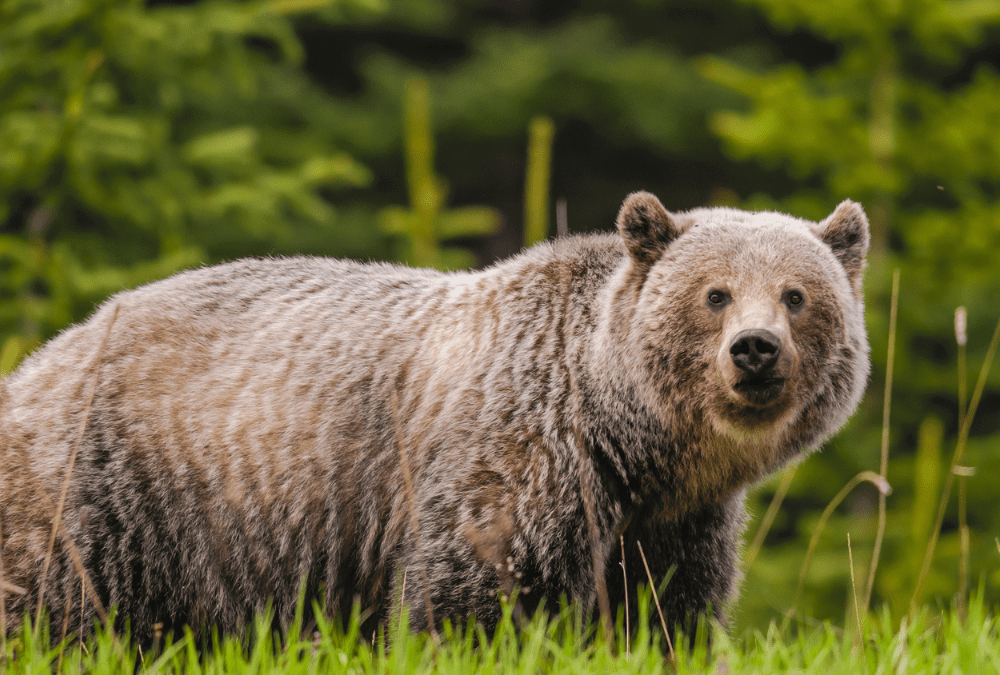
A grizzly bear in a field looks at the camera.

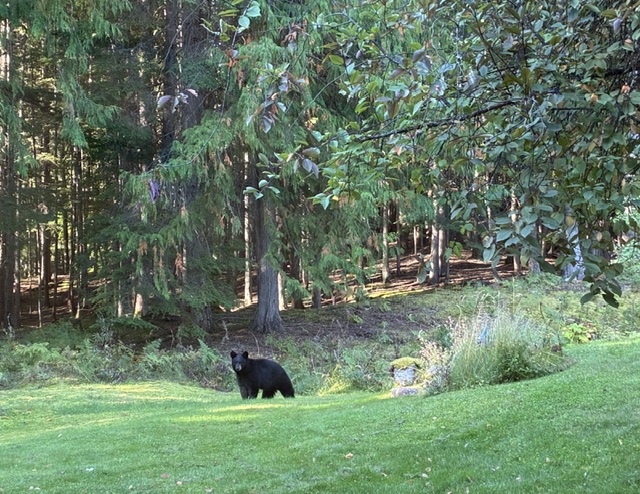
Good neighbors: Living with bears

The biodiversity in the Creston Valley, B.C., is unique and thanks to local conservation efforts, still includes grizzly bears. This has created an opportunity for the community to create solutions for how wildlife and people can live alongside each other.

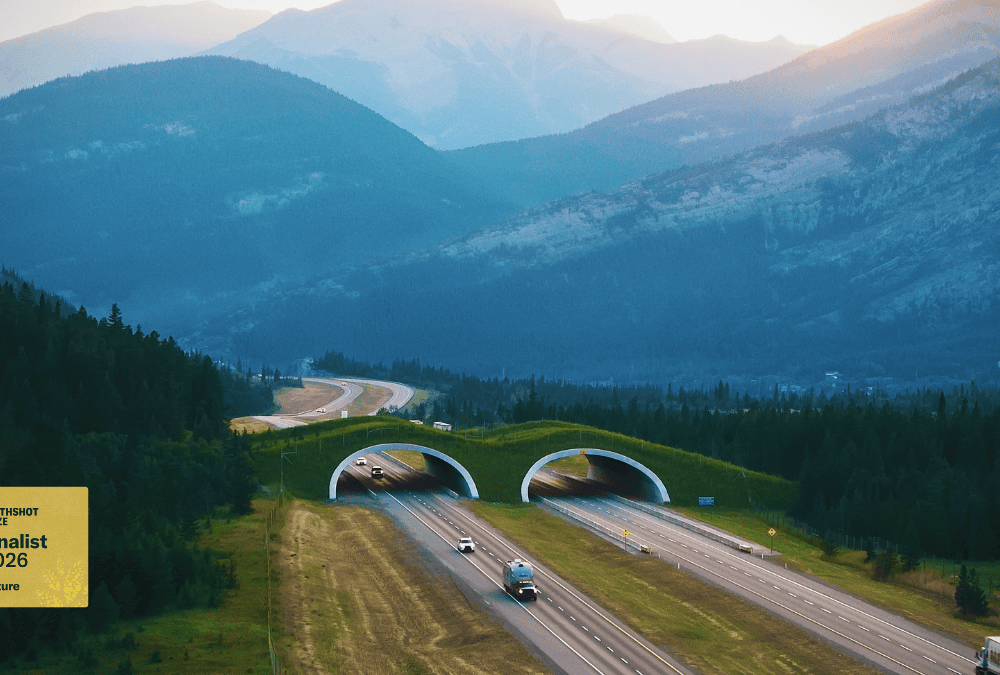
A wildlife overpass stretches over a two-way highway.

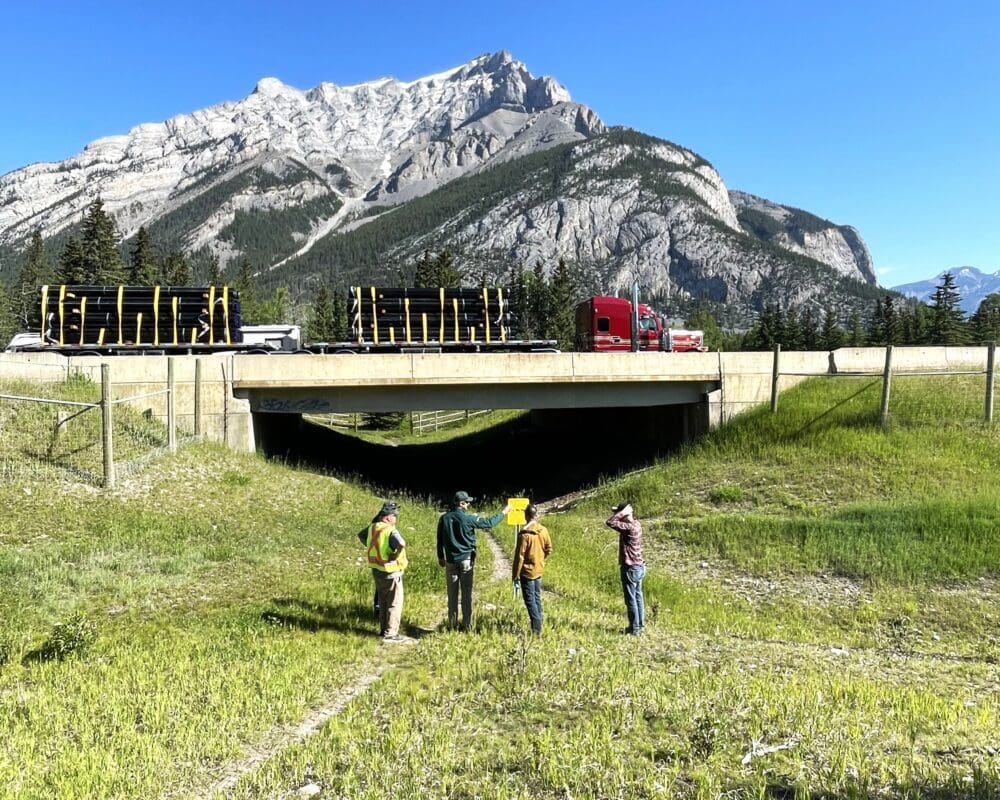
Reconnecting fragmented landscapes

Thanks to your support, Y2Y’s landscape connection team can continue their important work identifying and restoring critical corridors across some of the region’s busiest roads and most important habitat connections.

A mother grizzly and her cubs walk though grass. Tall mountain rise in the background.

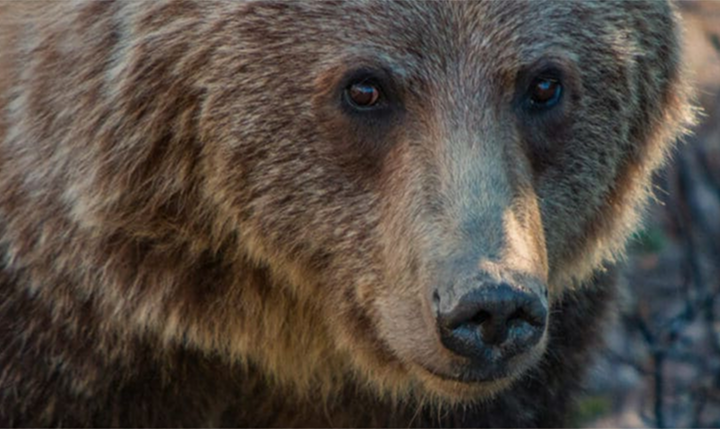
Helping grizzly bears find their way home

When Y2Y began in 1993, grizzly bear populations in the Yellowstone region had become separated by over 240 kilometers (150 miles) from bears in the Glacier National Park region of Montana and into Canada. Today, the gap between grizzly bear populations in the southern Rockies has shrunk to just 72 kilometers (45 miles).