Bears are returning near the Continental Divide
Three private land deals advance ecological connectivity across U.S. Northern Rockies Each year in the Rocky Mountains, as winter turns to spring, elk and deer migrate with the seasons chasing…
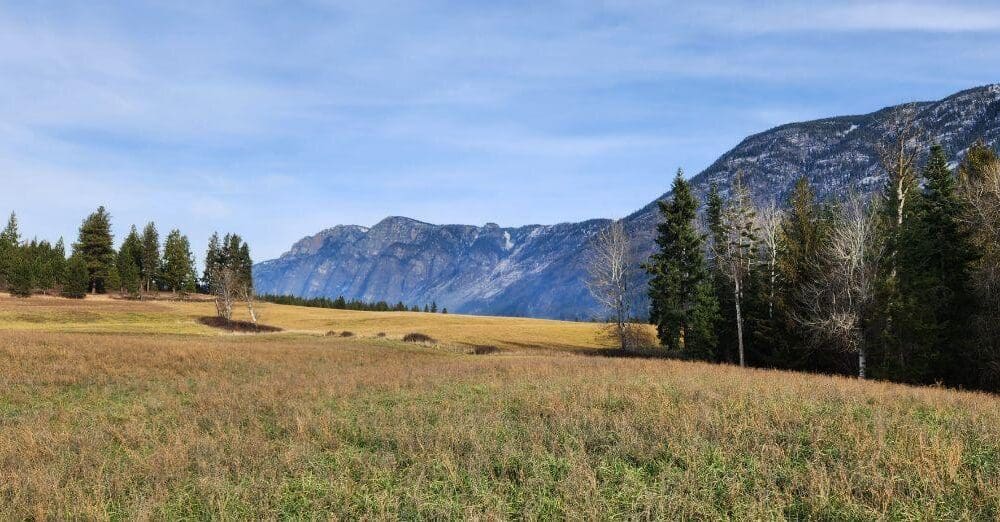
Three private land deals advance ecological connectivity across U.S. Northern Rockies Each year in the Rocky Mountains, as winter turns to spring, elk and deer migrate with the seasons chasing…
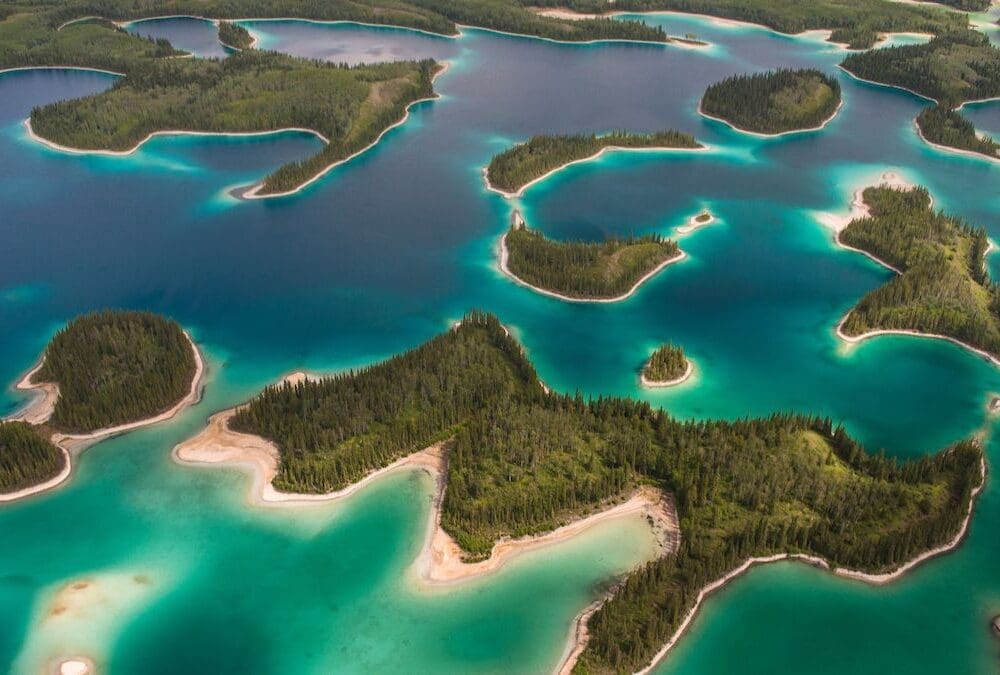
In northern B.C., near the Yukon border, Dene K’éh Kusān is the largest tract of intact, unprotected wilderness in B.C. It’s the beating heart of the Yellowstone to Yukon region, a globally significant landscape stretching across 40,000 square kilometers (9.88 million acres). It’s also the territory of the Kaska Dena, who have cared for these lands for thousands of years. And they have a plan to protect it for thousands of years more.
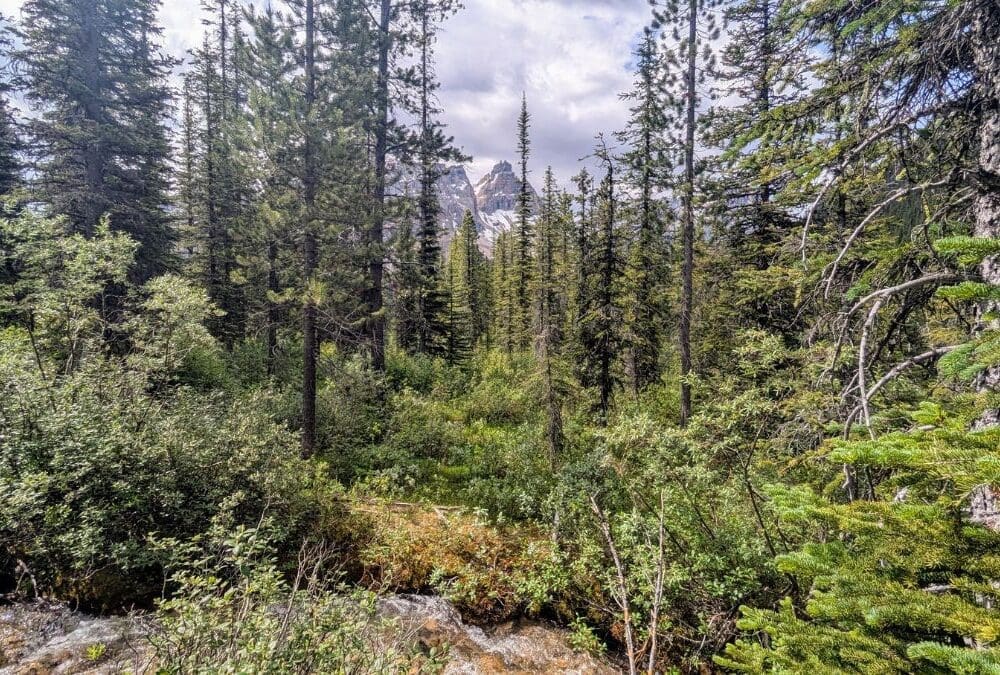
Natural ecosystems are powerful climate tools, pulling carbon dioxide (CO2) out of the atmosphere, and locking it away in forests, soils, and peatlands. This reduces the greenhouse effect and keeps the planet cooler. With this in mind, Y2Y’s science team set out to measure how powerful the Yellowstone to Yukon region really is.
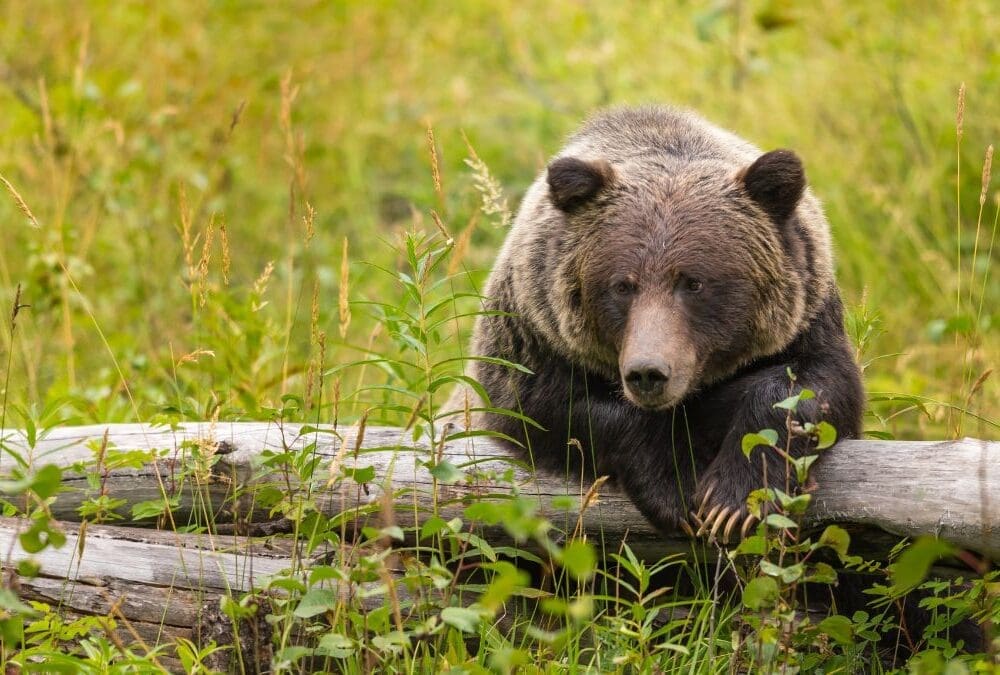
We recently partnered with Hipcamp to reach the 700+ hosts who offer camping experiences within the Yellowstone to Yukon region. Our goal is to provide best practices for hosting in wilderness areas, safely sharing space with wildlife, and get ahead of any bear problems before they start.
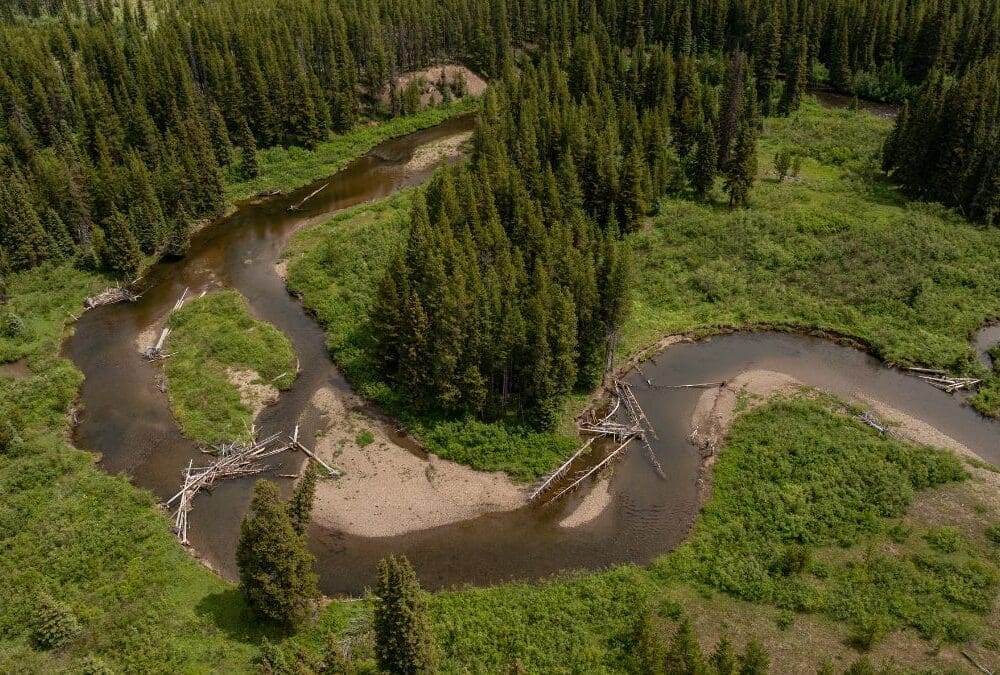
The stunning Elk Valley has been home to grizzly bears, bighorn sheep and lynx for centuries. And key parcels of land called the Kootenay Forest Lands project, located within the homelands of the Ktunaxa Nation, are now protected for generations to come.
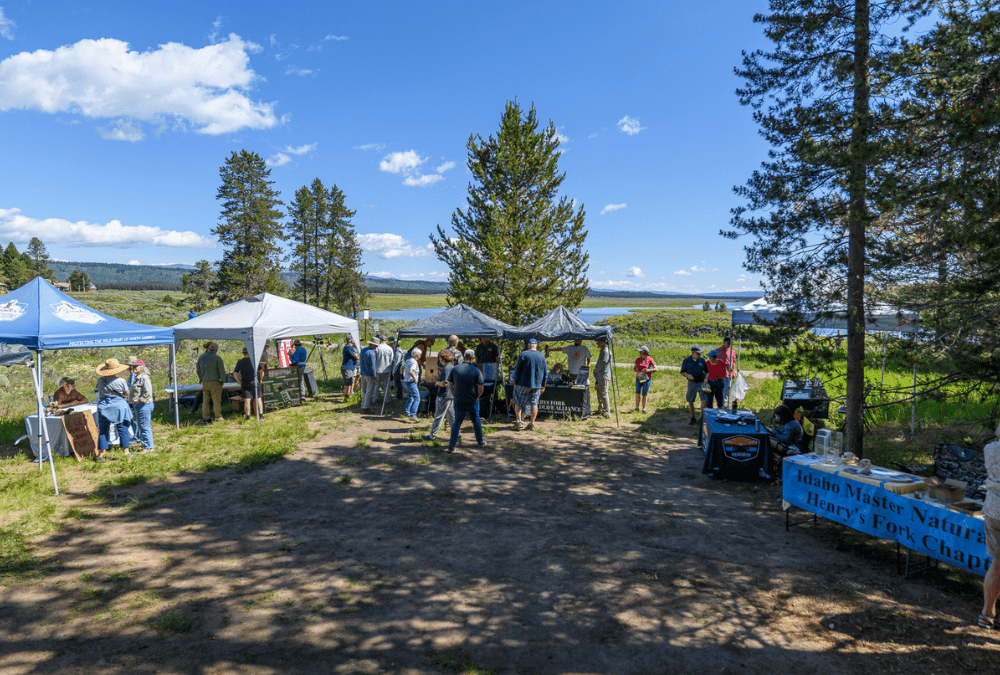
Achieving our vision across the Yellowstone to Yukon region — spanning the Yukon in Canada to Wyoming in the U.S. and at least 75 Indigenous territories — requires deep and ongoing collaboration. Here are just some of the impactful partnerships we are proud to be a part of in 2025.
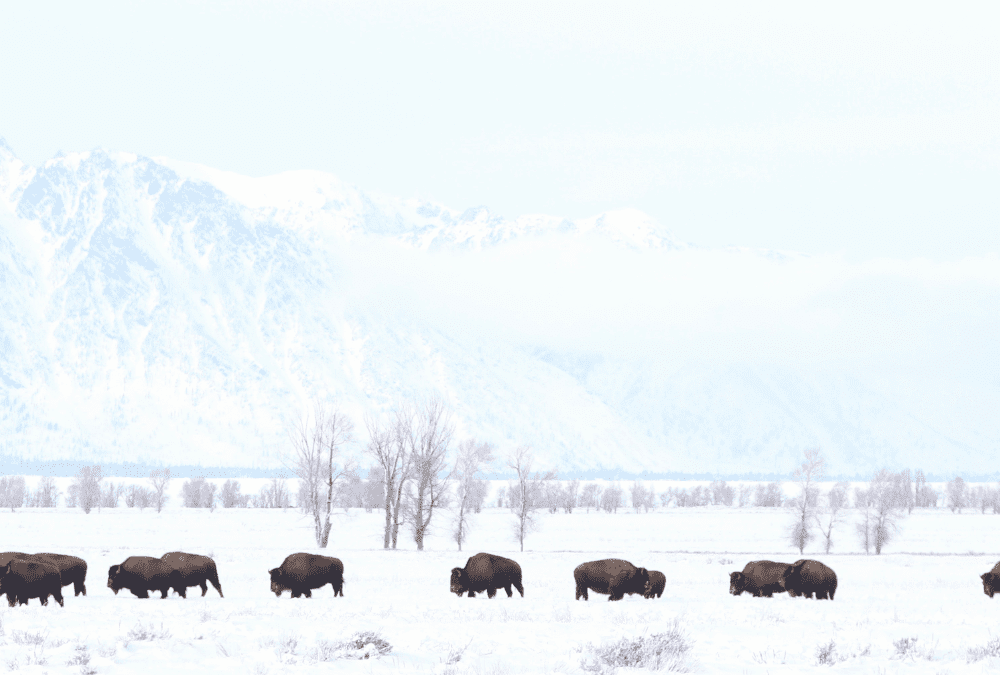
Y2Y works to advance conservation by partnering with diverse communities to connect and protect this vast, ever-changing mountain region. To guide our conservation efforts, we draw from the best available information, including from natural and social sciences as well as local and Indigenous knowledge.
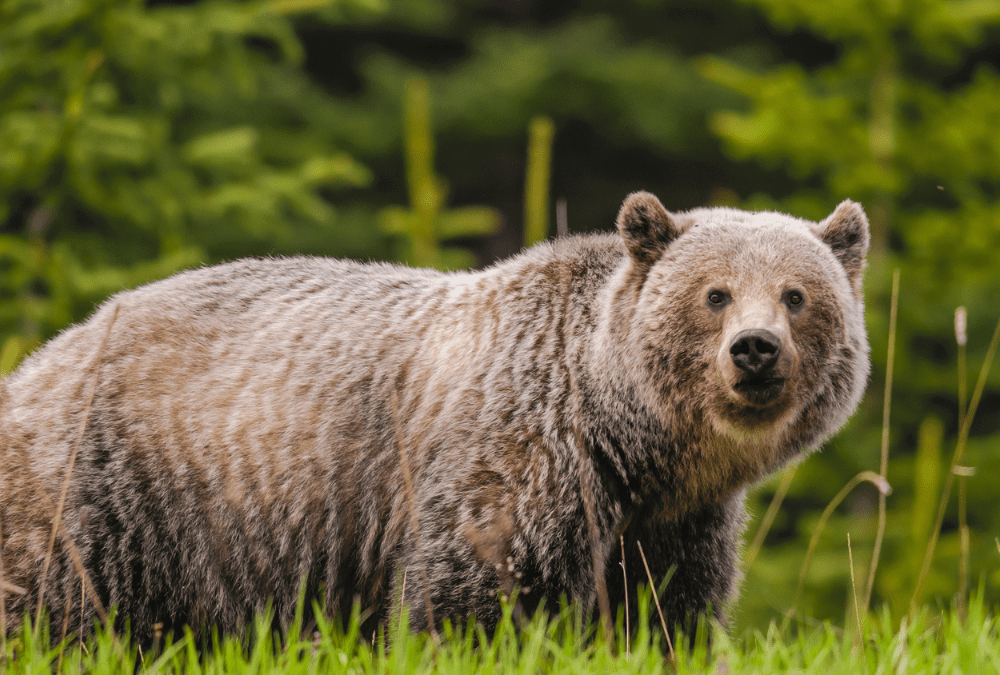
The biodiversity in the Creston Valley, B.C., is unique and thanks to local conservation efforts, still includes grizzly bears. This has created an opportunity for the community to create solutions for how wildlife and people can live alongside each other.
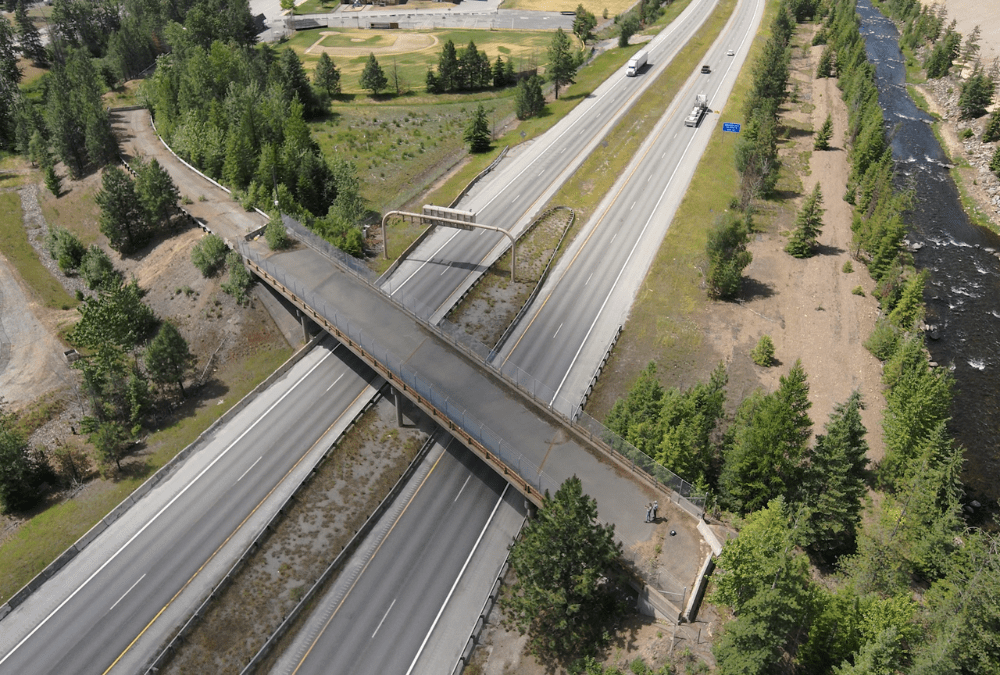
Thanks to your support, Y2Y’s landscape connection team can continue their important work identifying and restoring critical corridors across some of the region’s busiest roads and most important habitat connections.
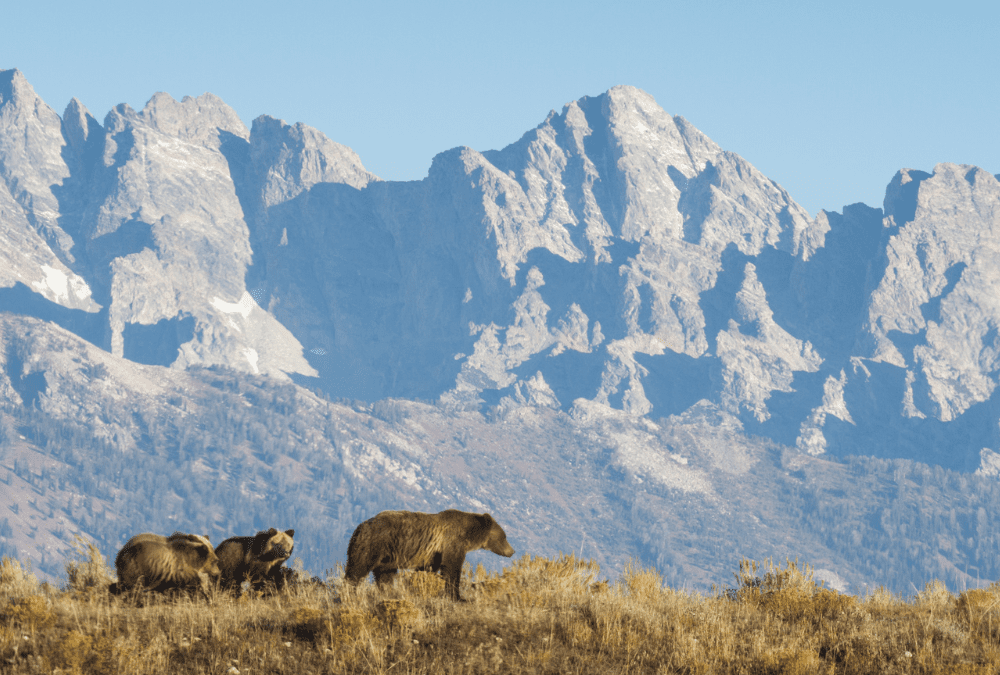
When Y2Y began in 1993, grizzly bear populations in the Yellowstone region had become separated by over 240 kilometers (150 miles) from bears in the Glacier National Park region of Montana and into Canada. Today, the gap between grizzly bear populations in the southern Rockies has shrunk to just 72 kilometers (45 miles).
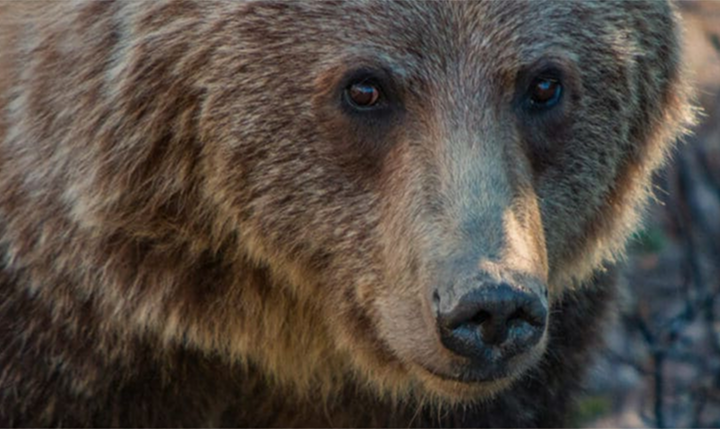
Thanks to you, we’re making progress towards protecting and connecting more of the Yellowstone to Yukon region.
Sign up for the latest wins, alerts, inspiring stories and ways to take action to protect the Yellowstone to Yukon region