Landscape Connection - Yellowstone to Yukon Conservation Initiative

Out now: catch up on last year’s successes in our 2025 Impact Report

connect the wild

The landscape connection team works to connect important habitats that are vital for wildlife.

Animals need enough room to sustain a healthy population. Connection matters. We maintain and restore key corridors and improve wildlife movement across some of the busiest areas in the Yellowstone to Yukon region so animals can safely cross private land and busy roads to meet their needs.
together, we are:

ensuring safe wildlife passage

by making sure animals can get safely across roads, private lands, and unprotected public lands across the Yellowstone to Yukon region.

advancing voluntary private land conservation

by working with willing landowners to secure ecologically significant wildlife corridors on private lands.

strengthening conservation

through progressing policies, programs, and funding that strengthen and sustain the conservation of ecological corridors for the future.

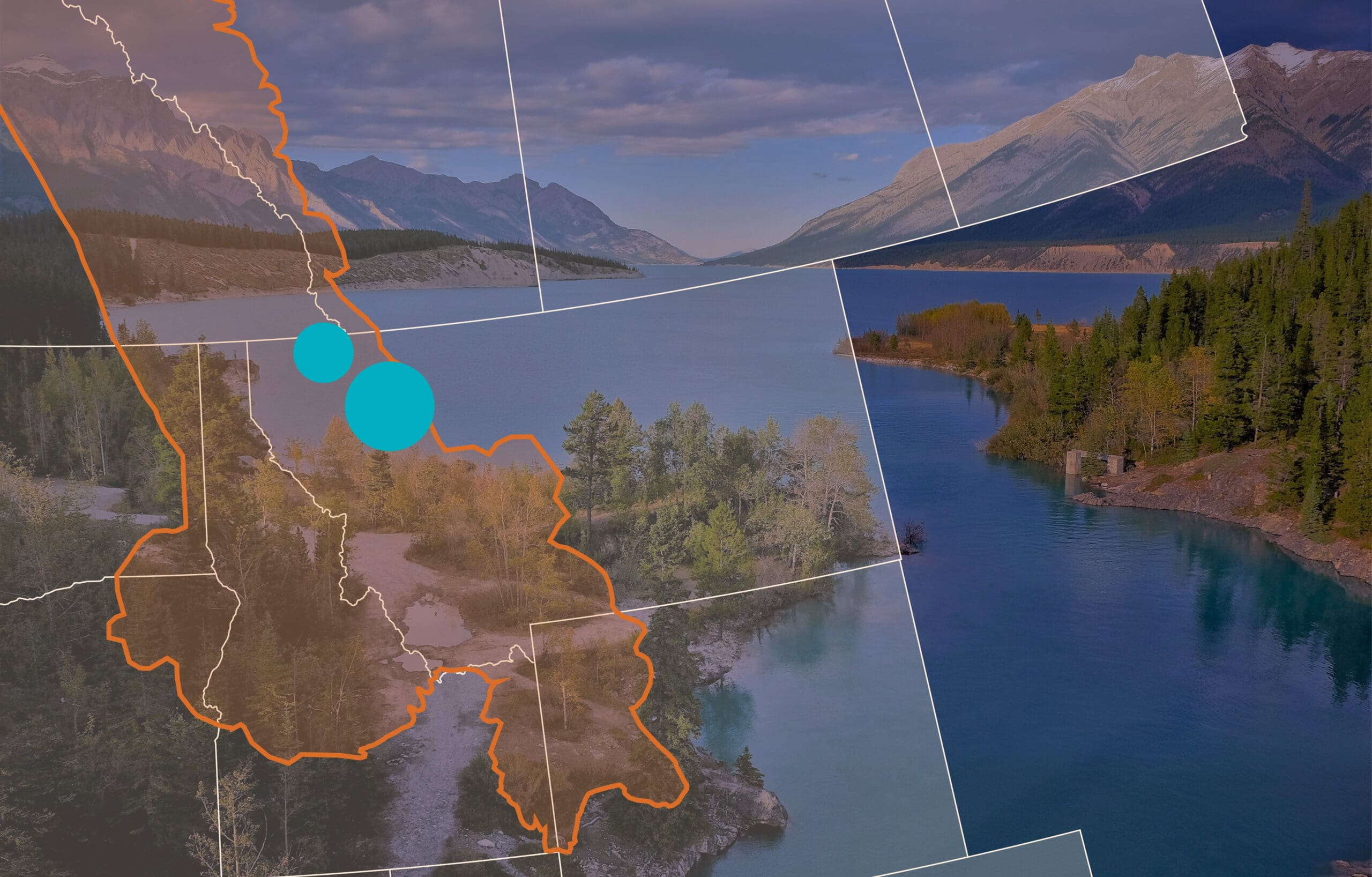
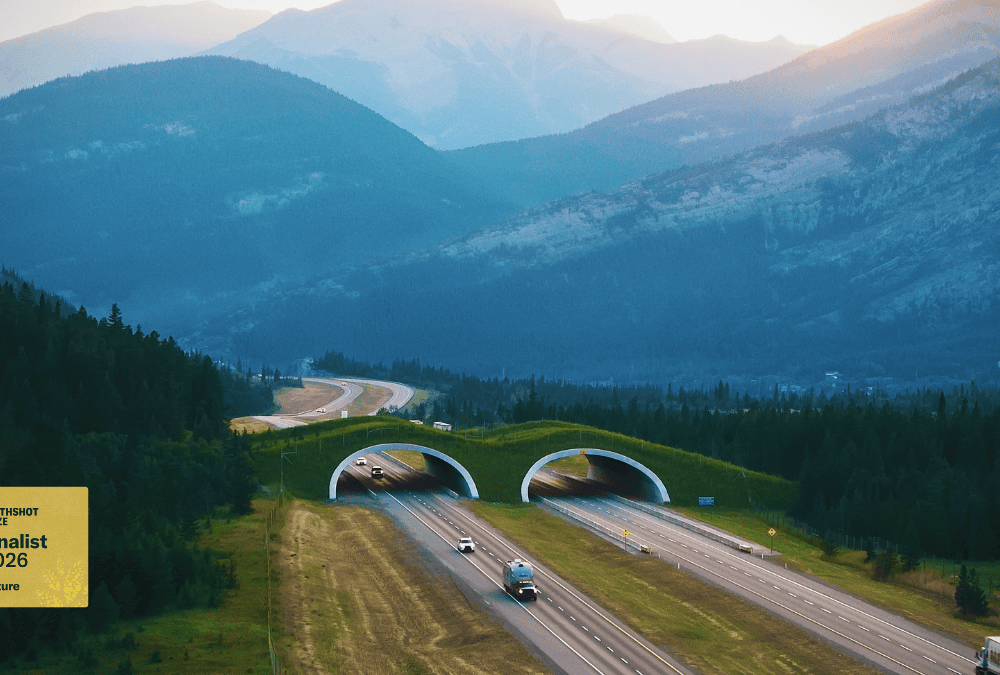
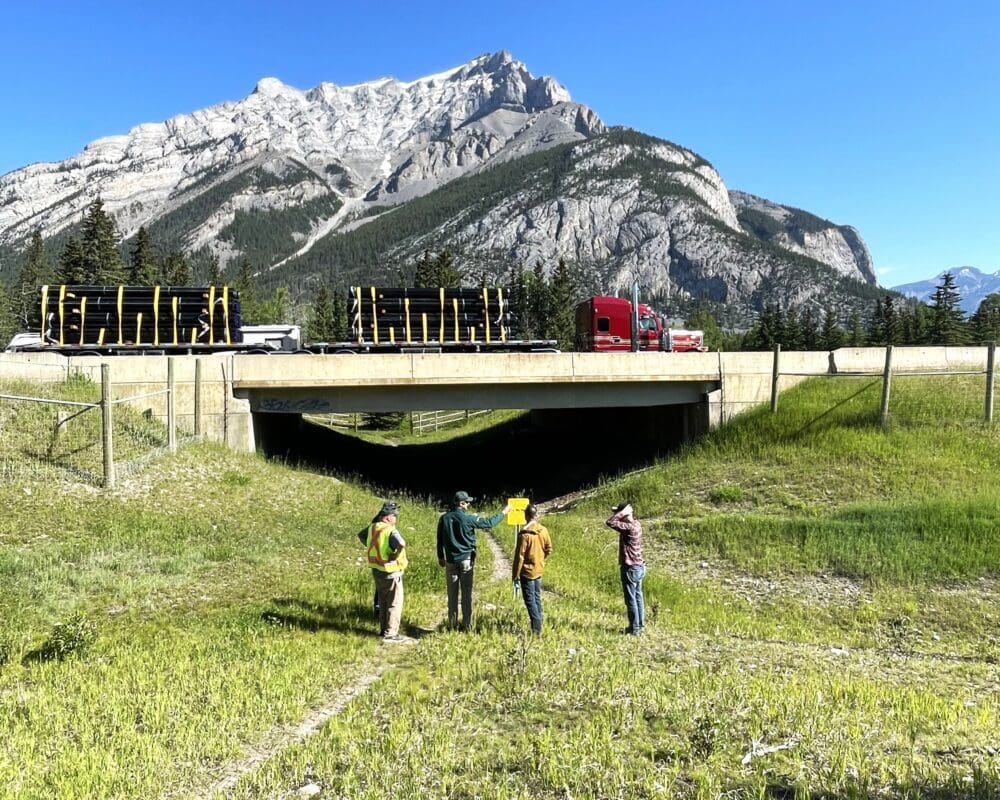
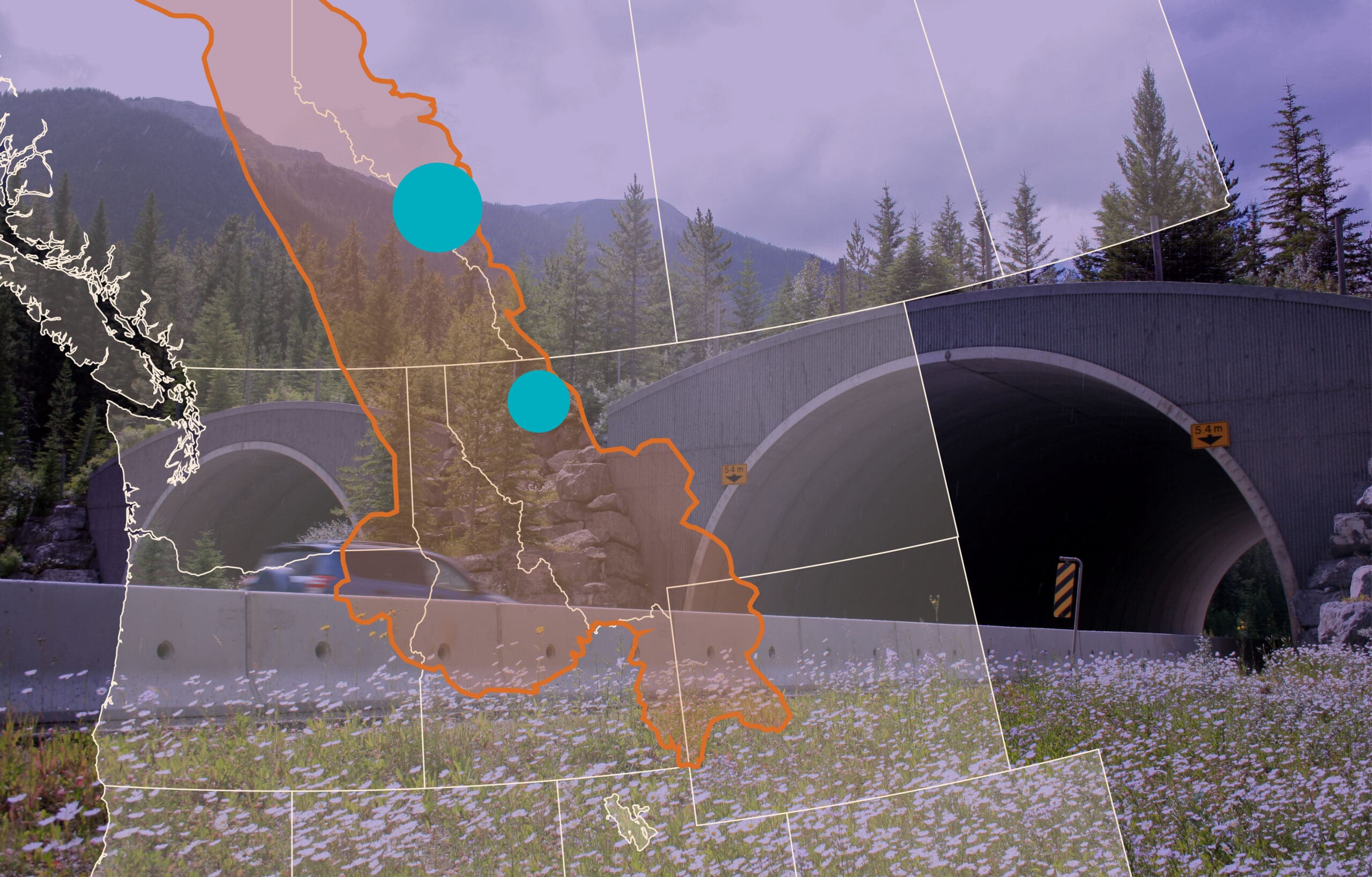
More than 117 wildlife underpasses, overpasses, and fencing structures to aid animal crossing and safety are now in place across the Yellowstone to Yukon region

our impact

1

More than 204 wildlife underpasses, overpasses, and fencing structures to aid animal crossing and safety are now in place across the Yellowstone to Yukon region (as of January 31, 2026)

Key

map key orange outline
Yellowstone to Yukon region
map key teal
Areas where multiple animal safety crossing systems have been built
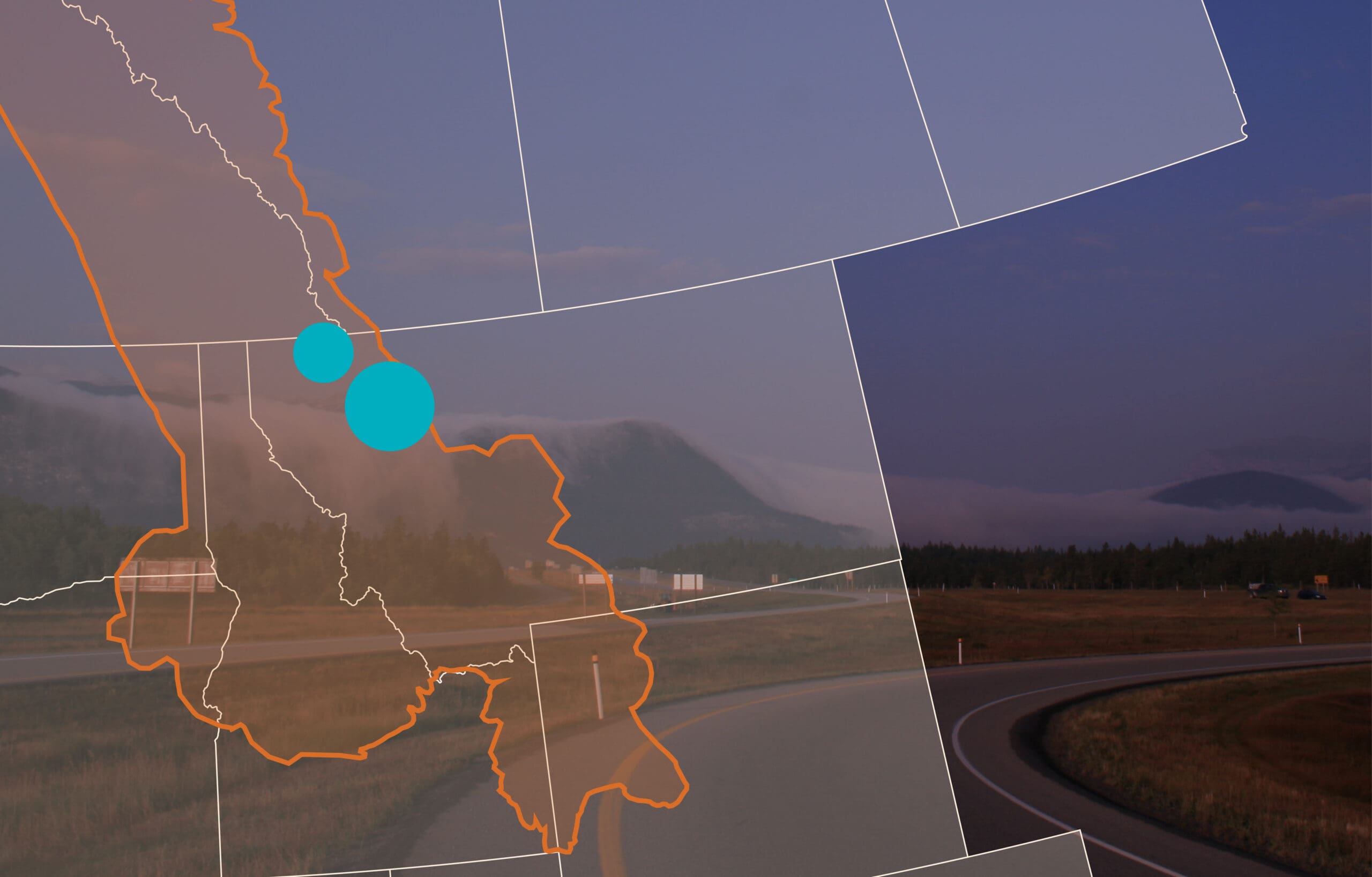
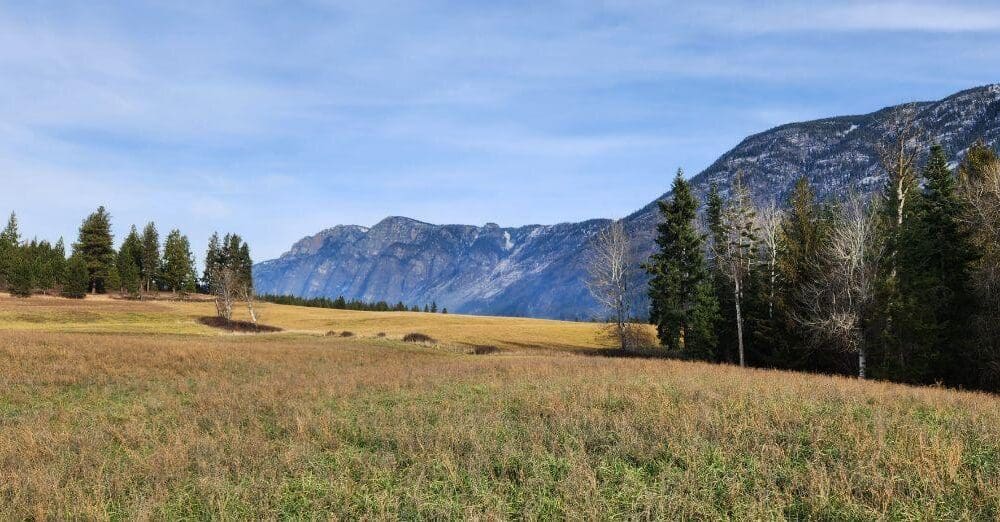
As a united effort with willing landowners, we have conserved 2,000 km2 (500,000 acres) of private land in vital wildlife corridors, creating connections between protected areas. This vital connection has led to grizzly bears reappearing in regions of the United States where they have not been seen in more than a century

our impact

2

As a united effort with willing landowners, we have conserved 2,000 km² (500,000 acres) of private land in vital wildlife corridors, creating connections between protected areas. This crucial connection has led to grizzly bears reappearing in regions of the United States where they have not been seen in more than a century

Key

map key orange outline
Yellowstone to Yukon region
map key teal
Conserved private land
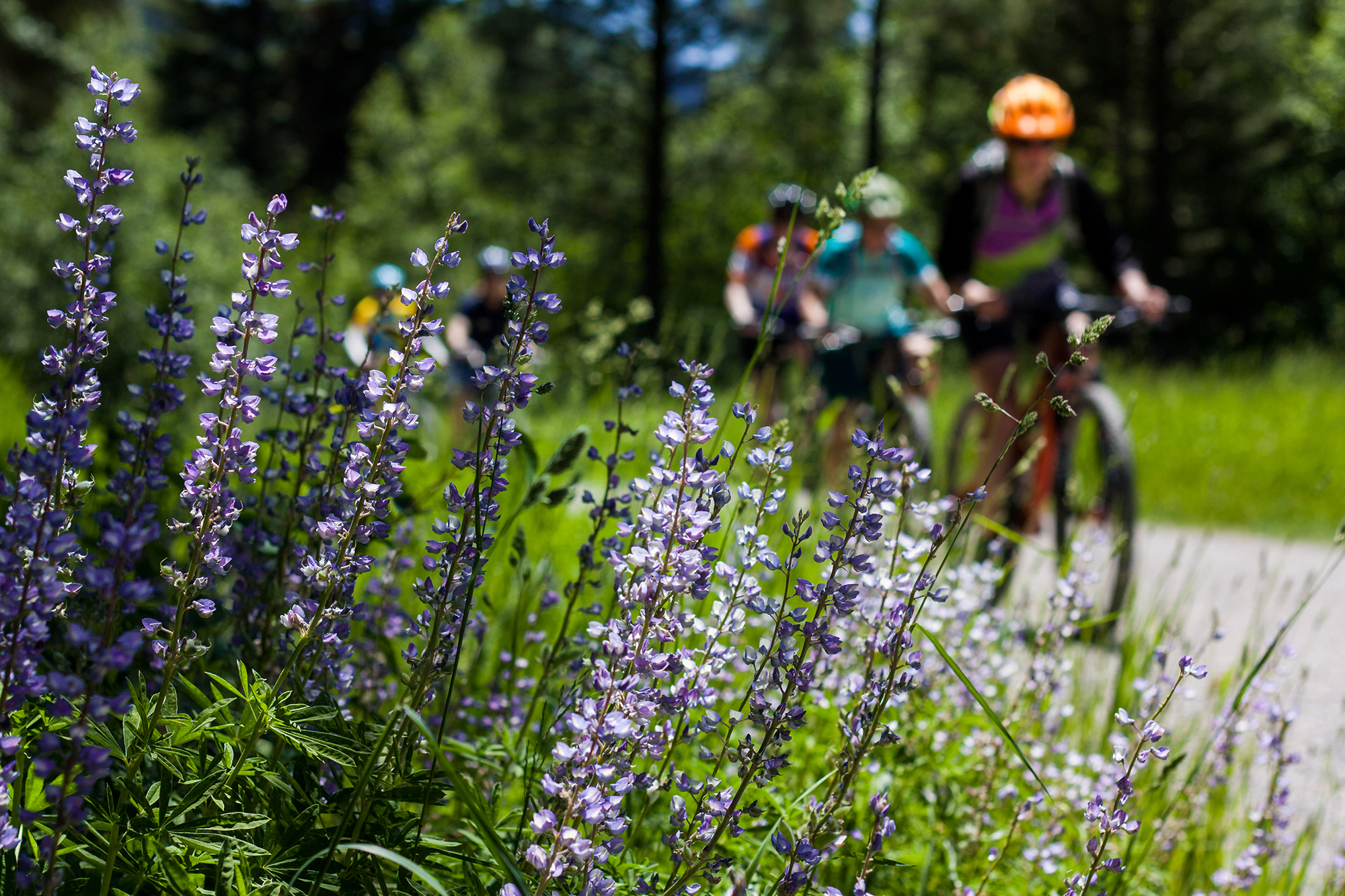
With your help, we have decommissioned long stretches of road to restore natural habitats

our impact

3

With your help, we have decommissioned long stretches of road to restore natural habitats

Key

map key orange outline
Yellowstone to Yukon region
map key teal
Restored natural habitat zones

featured success stories

Conservation through collaboration

Achieving our vision across the Yellowstone to Yukon region — spanning the Yukon in Canada to Wyoming in the U.S. and at least 75 Indigenous territories — requires deep and ongoing collaboration. Here are just some of the impactful partnerships we are proud to be a part of in 2025.

Reconnecting fragmented landscapes

Thanks to your support, Y2Y’s landscape connection team can continue their important work identifying and restoring critical corridors across some of the region’s busiest roads and most important habitat connections.

Helping grizzly bears find their way home

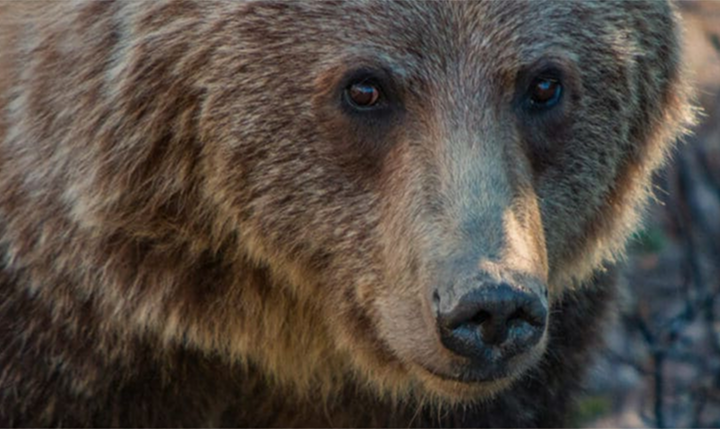
When Y2Y began in 1993, grizzly bear populations in the Yellowstone region had become separated by over 240 kilometers (150 miles) from bears in the Glacier National Park region of Montana and into Canada. Today, the gap between grizzly bear populations in the southern Rockies has shrunk to just 72 kilometers (45 miles).