News - Page 2 of 49 - Yellowstone to Yukon Conservation Initiative
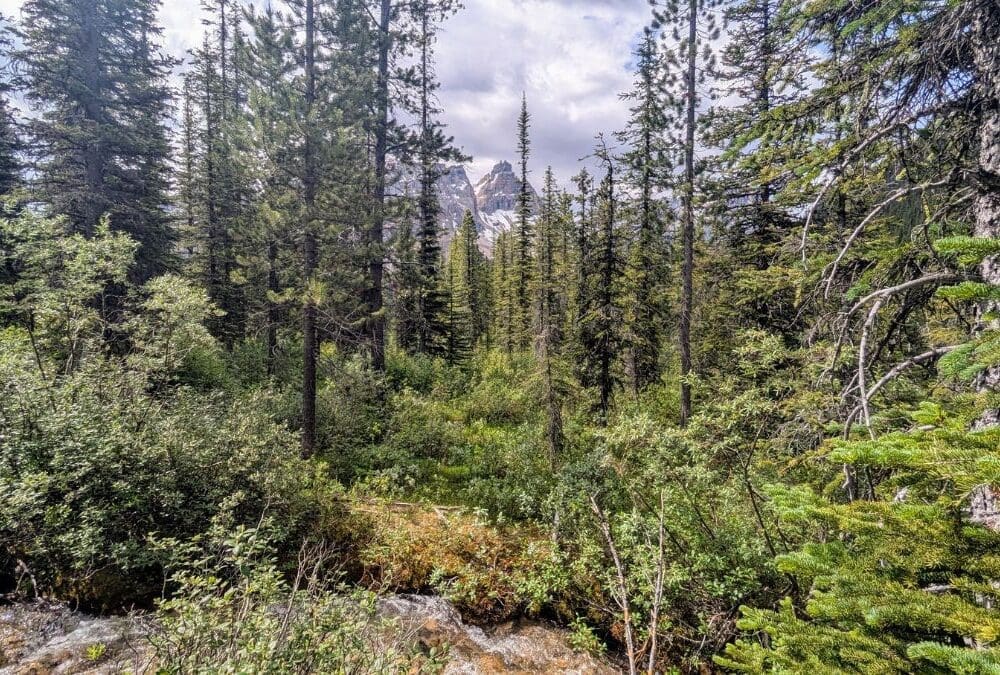
A forest filled with bushes and trees, with a small brook running through it. Mountains rise up in the distance.

Nature’s vacuum cleaner

Natural ecosystems are powerful climate tools, pulling carbon dioxide (CO2) out of the atmosphere, and locking it away in forests, soils, and peatlands. This reduces the greenhouse effect and keeps the planet cooler. With this in mind, Y2Y’s science team set out to measure how powerful the Yellowstone to Yukon region really is.

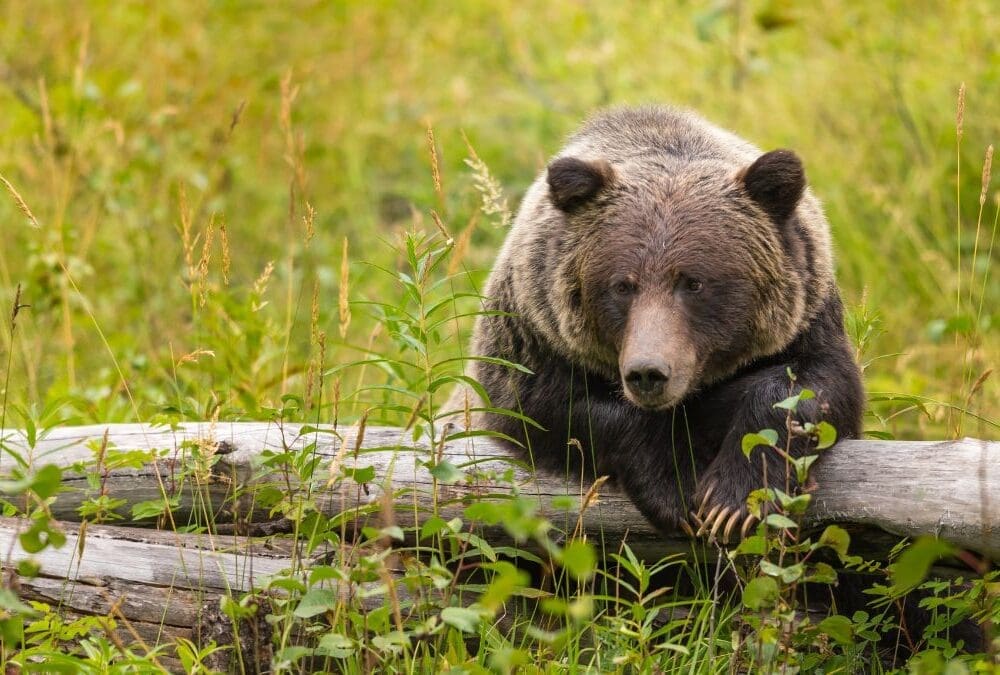
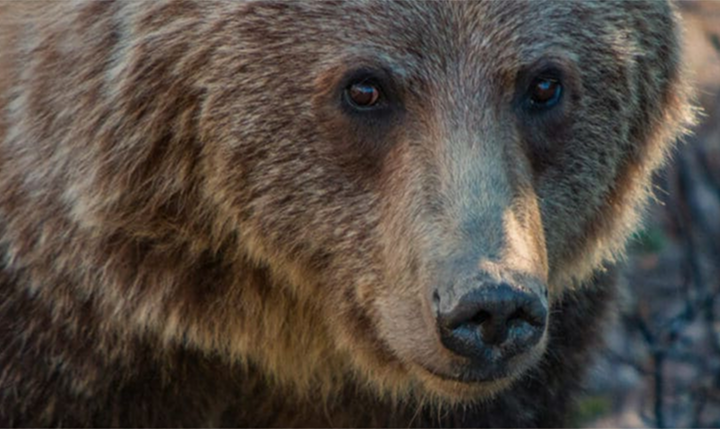
A grizzly bear rests on a log.

You’re keeping bears and people safe…

We recently partnered with Hipcamp to reach the 700+ hosts who offer camping experiences within the Yellowstone to Yukon region. Our goal is to provide best practices for hosting in wilderness areas, safely sharing space with wildlife, and get ahead of any bear problems before they start.

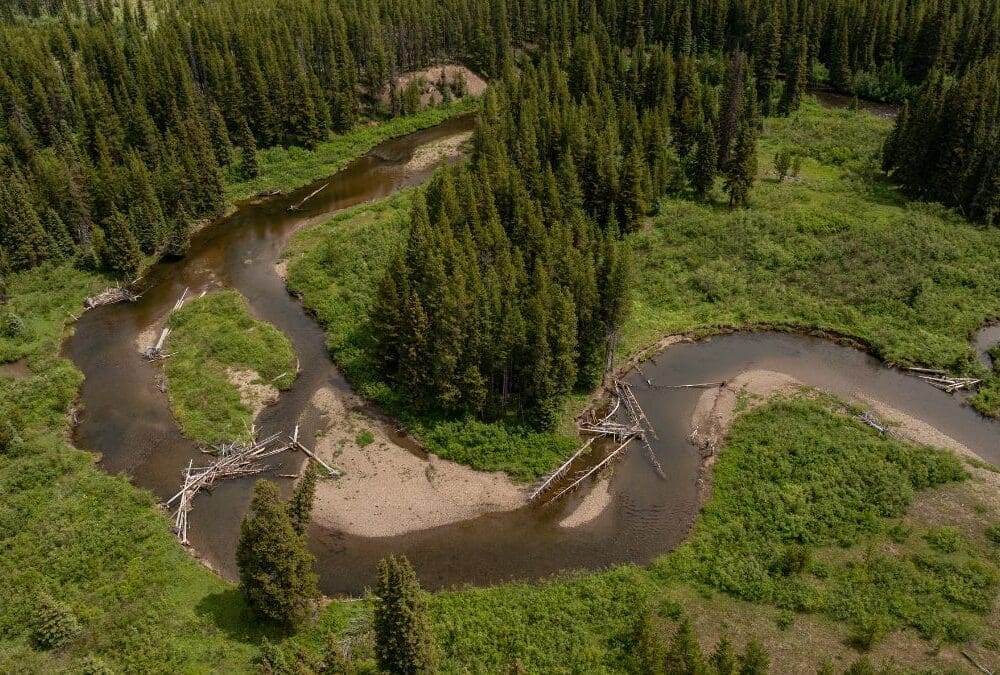
A river surrounded by lush trees and bushes.

You made a conservation milestone possible

The stunning Elk Valley has been home to grizzly bears, bighorn sheep and lynx for centuries. And key parcels of land called the Kootenay Forest Lands project, located within the homelands of the Ktunaxa Nation, are now protected for generations to come.

People gather for a festival. Information booths surround a clearing in the forest.

Conservation through collaboration

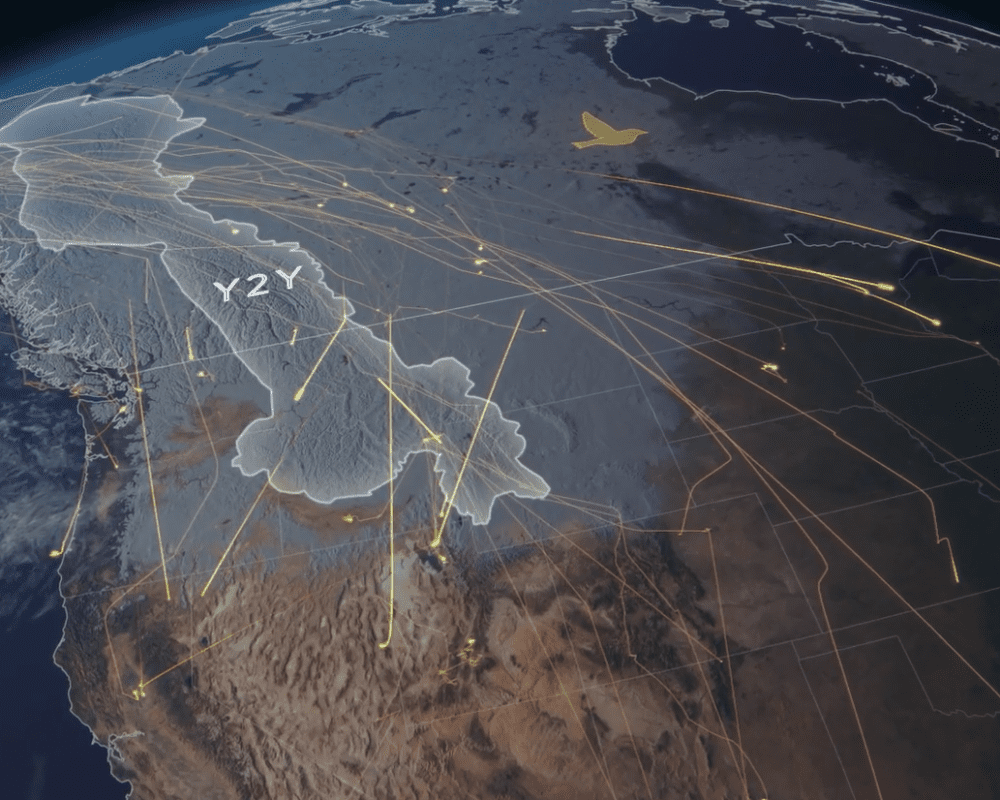
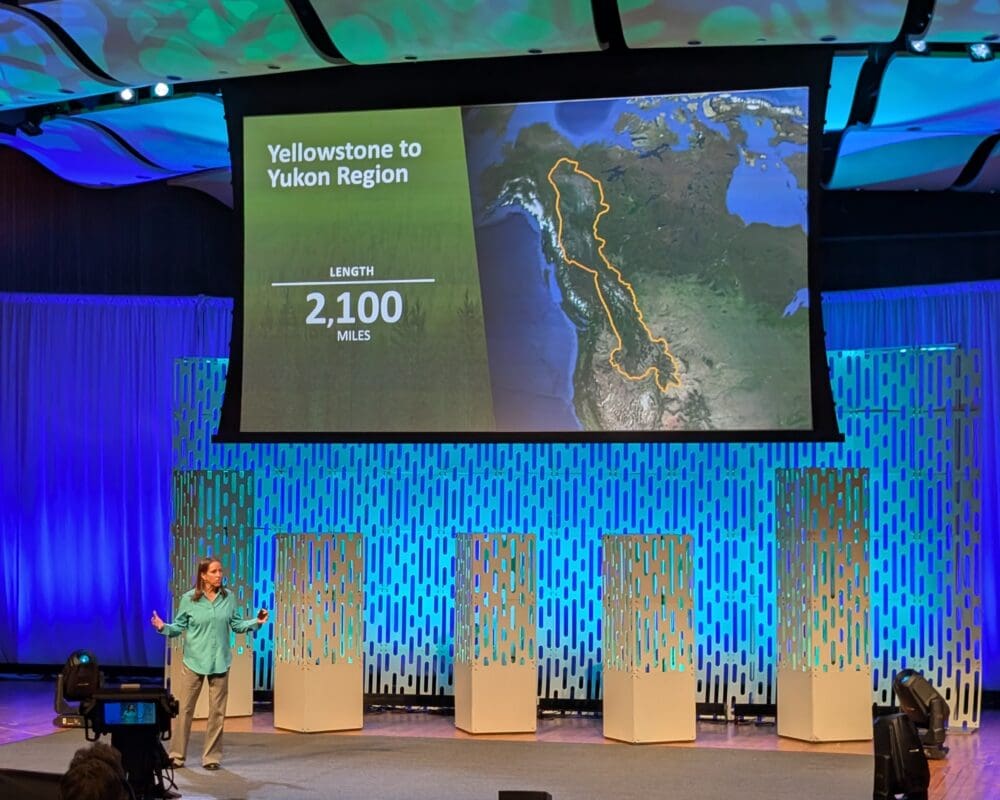
Achieving our vision across the Yellowstone to Yukon region — spanning the Yukon in Canada to Wyoming in the U.S. and at least 75 Indigenous territories — requires deep and ongoing collaboration. Here are just some of the impactful partnerships we are proud to be a part of in 2025.

A herd of bison walk through a snowy field. Snow-capped mountains rise in the distance.

From collaboration and science to enduring conservation

Y2Y works to advance conservation by partnering with diverse communities to connect and protect this vast, ever-changing mountain region. To guide our conservation efforts, we draw from the best available information, including from natural and social sciences as well as local and Indigenous knowledge.