Marking a decade of Indigenous-led caribou recovery in British Columbia
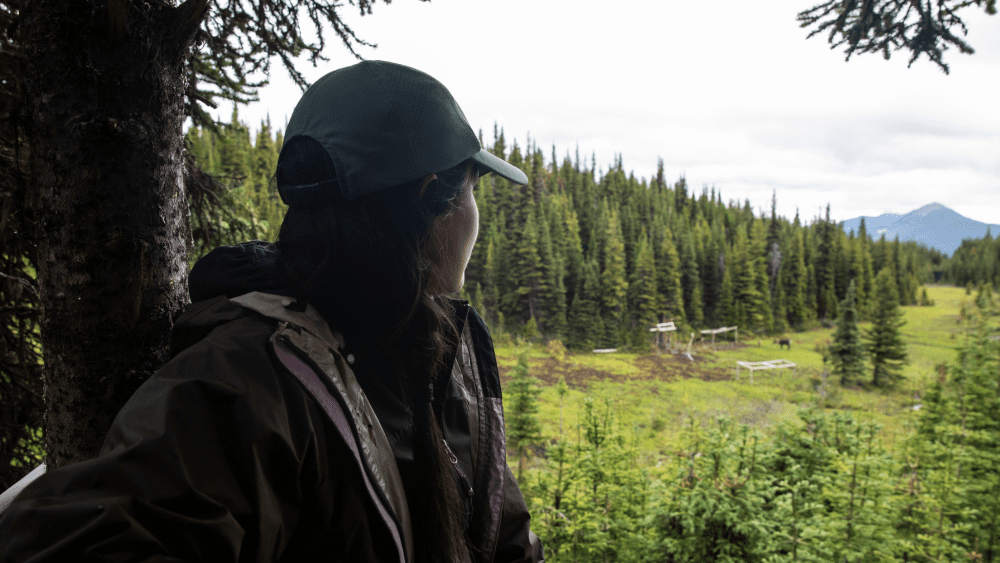
A collaborative Indigenous-led caribou recovery initiative has brought a population of mountain caribou in B.C. back from the brink of local extinction.
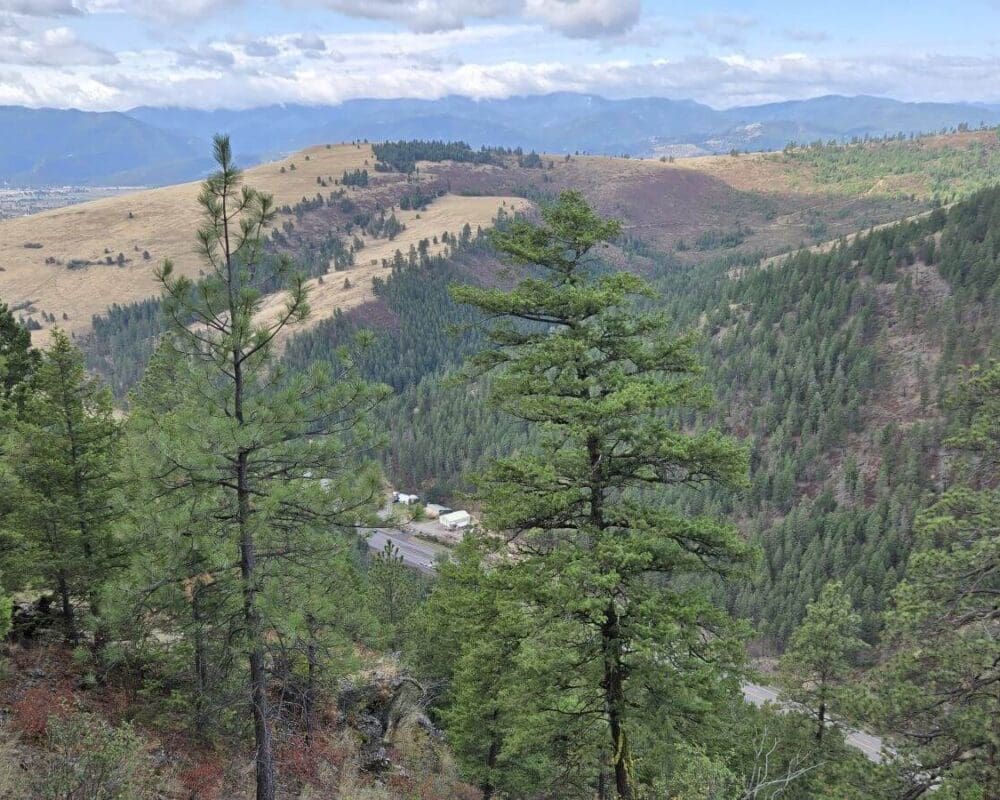
More than 0.5 km2 (150 acres) are now protected from subdivision and development within an important habitat connection area for grizzly bears and many other wildlife species in northwestern Montana.
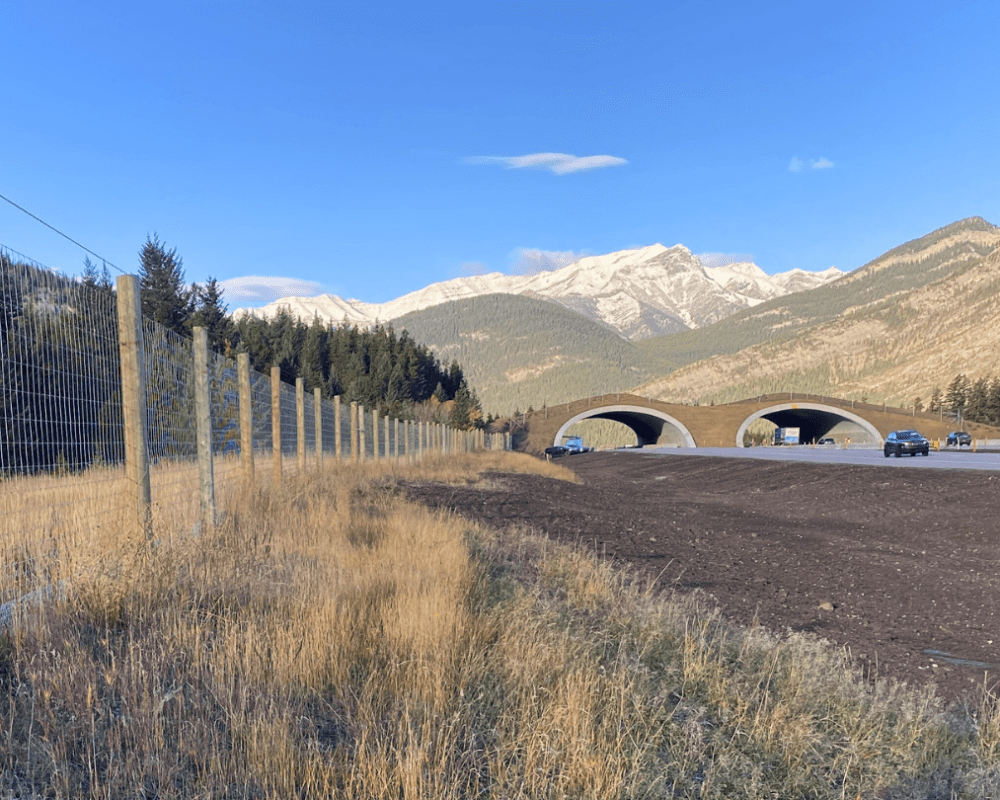
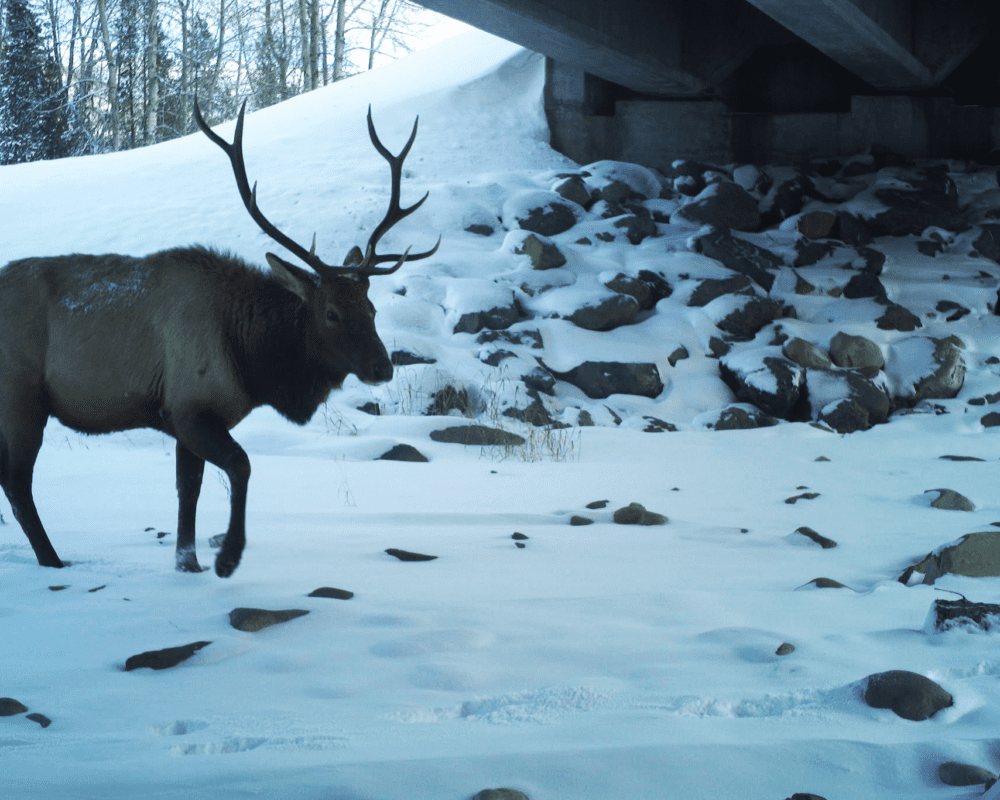
After years of research and advocacy, the Stoney Nakoda Exshaw wildlife overpass and fencing are scheduled for completion by the end of 2023 —a huge step closer to achieving safer roads for both wildlife and people.
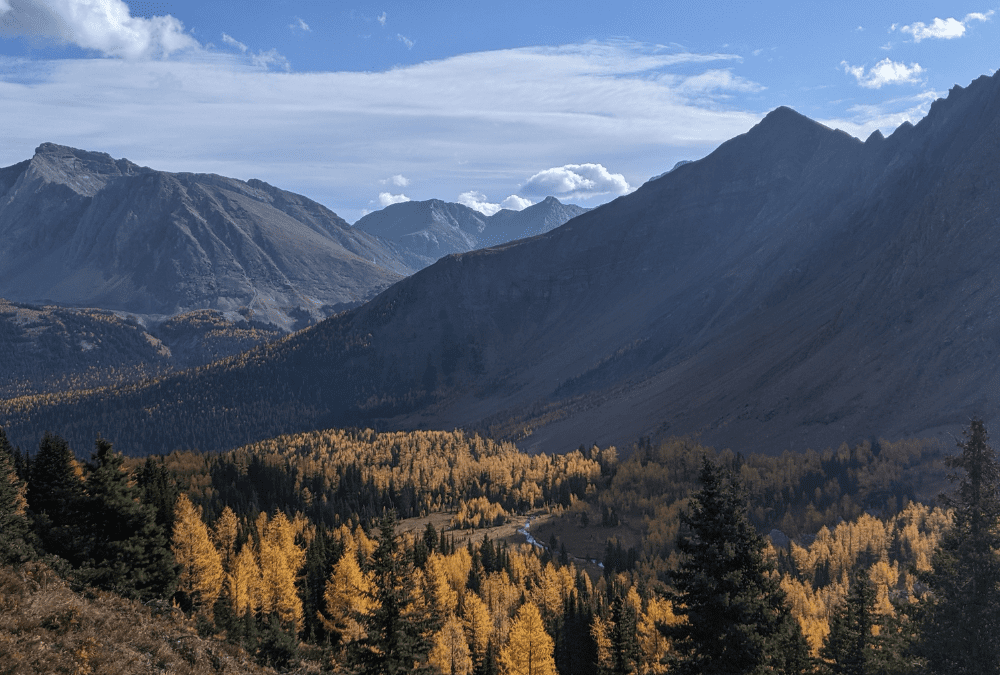
The Nez Perce Tribe leads the Camas to Condors initiative, which aims to create landscape-scale climate solutions to support connectivity for wildlife, restore habitats with traditionally harvested plants, and nurture traditional lifeways.
Educational materials about Yellowstone to Yukon Conservation Initiative, corridor ecology and large landscape conservation.
Y2Y is deeply disappointed to hear an appeal from the Town of Canmore regarding a Land and Property Rights Tribunal decision about two major developments from Three Sisters Mountain Village Properties Limited has been dismissed.
Y2Y among environmental groups jointly recommending urgent actions to fulfill Canada’s commitments under the Global Biodiversity Framework.
Y2Y is conducting social science research to explore how building wider support for conservation can yield various benefits.
Help limit your impact sensitive species by being wildlife wise this winter.
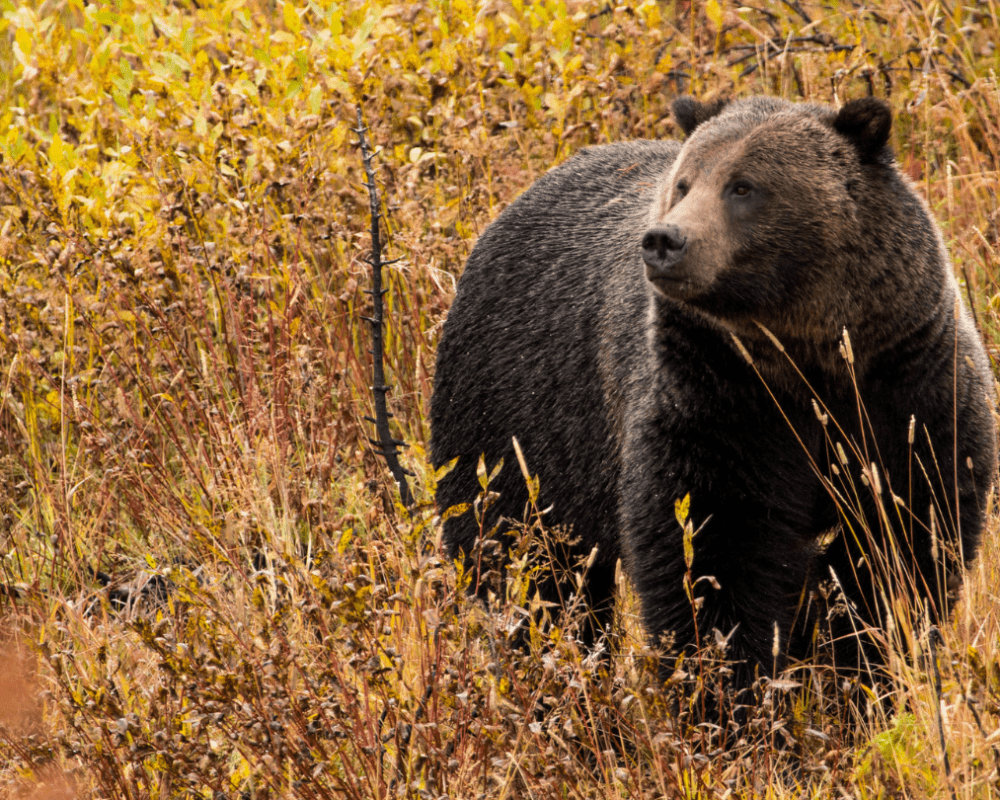
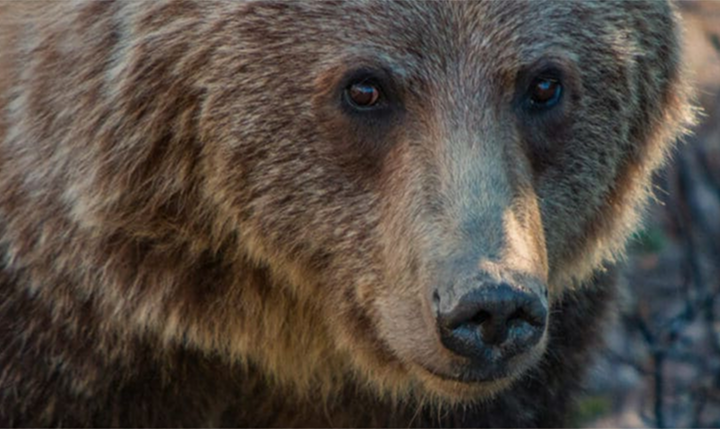
For many living in the Yellowstone to Yukon region the phrases ‘bear-safe’, ‘bear-smart’, ‘bear-wise’, and ‘wildlife-wise’ are familiar. But what does it mean to have a community coexist harmoniously and minimize conflicts with bears, especially grizzlies?