The Yellowstone to Yukon region is a remarkable place to live in.
Here, nature shapes daily lives and the local economy. Living in the world’s most intact mountain system brings incredible benefits to our communities, from ranching to outdoor recreation, to homesteading and hunting.
With these benefits comes the responsibility to continue to live up to the legacy of the land and keep both people and wildlife safe and thriving for generations to come.
Share space with wildlife
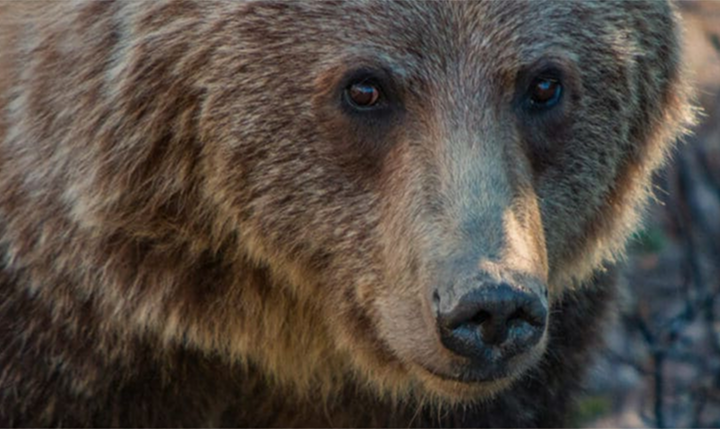
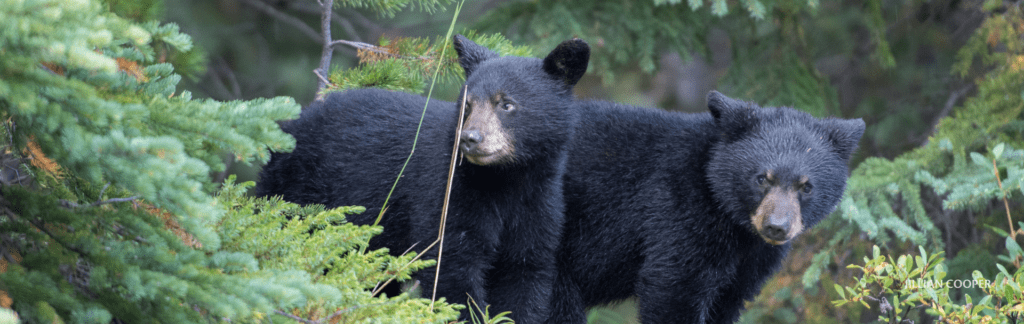
Grizzly bears are a key indicator of the landscape health in the Yellowstone to Yukon region. Also, because they need large, connected habitat, protecting grizzly bears benefits the many other species in the ecosystem.
Being bear smart ensures safety for these wild animals, and also for people, pets, livestock, and property.
Ways to prevent conflict:
- Secure all potential attractants
- Install electric fence enclosures for livestock and feed
- Use a bear-resistant trash bin or keep garbage inside until pick-up
- Remove or replace fruit trees through cost-share programs or use an electric fence
- Replace bird feeders with bird baths.
Recreate responsibly
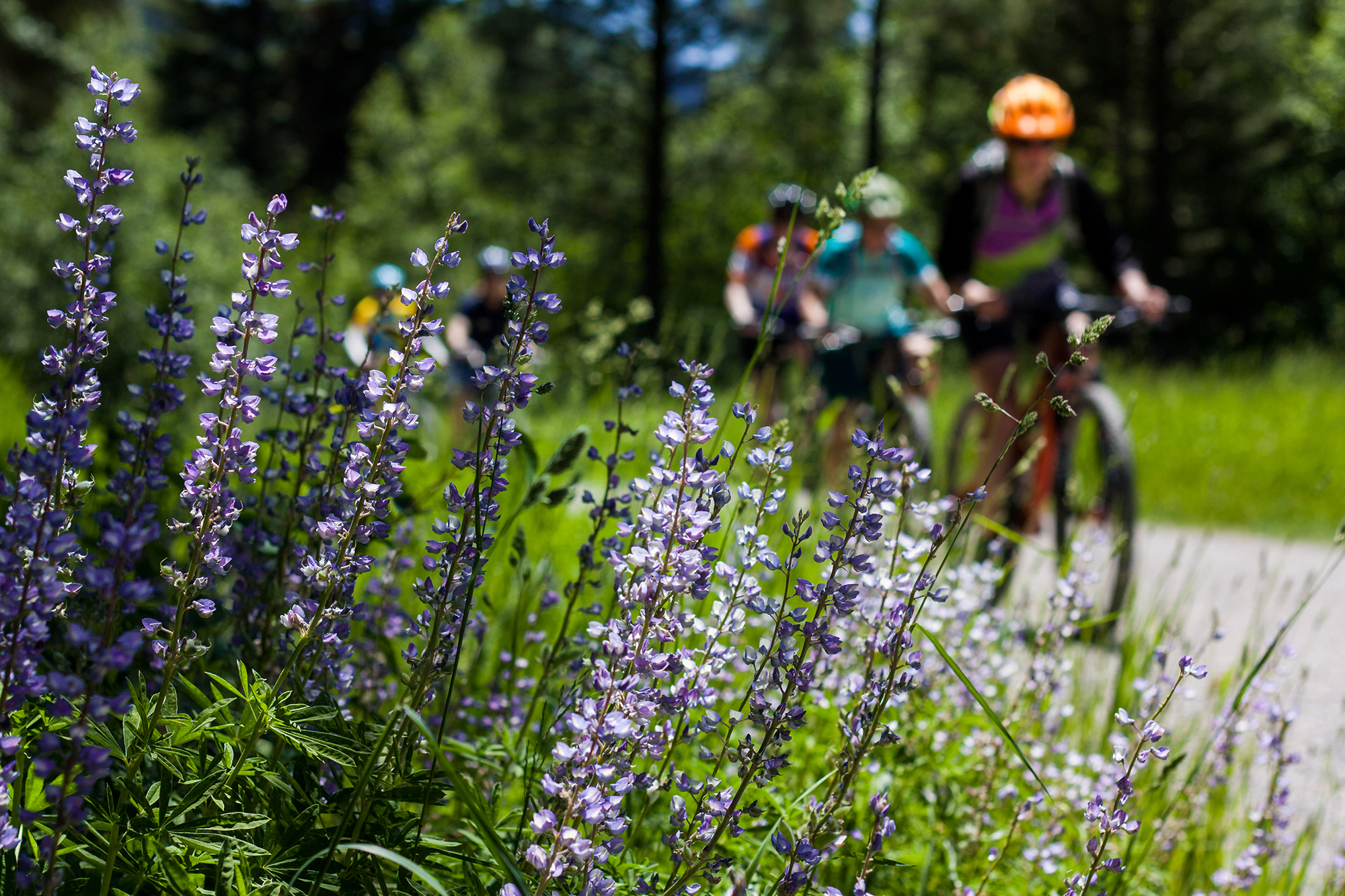
Living in a mountain landscape means easy access to the great outdoors and nature. Our outdoor activities can affect the wildlife who call these mountains home, such as wolverines, mountain goats, and grizzly bears who depend on undisturbed habitat to feed and raise young.
Whether you’re hiking, biking, skiing, riding horseback, or using motorized vehicles, enjoy the outdoors responsibly and:
- Learn about the wildlife in your area and respect their needs
- Never approach or feed wildlife — give them lots of space
- Recreate during the day, as animals often feed and move during the night
- Respect trail closures and stay on trail
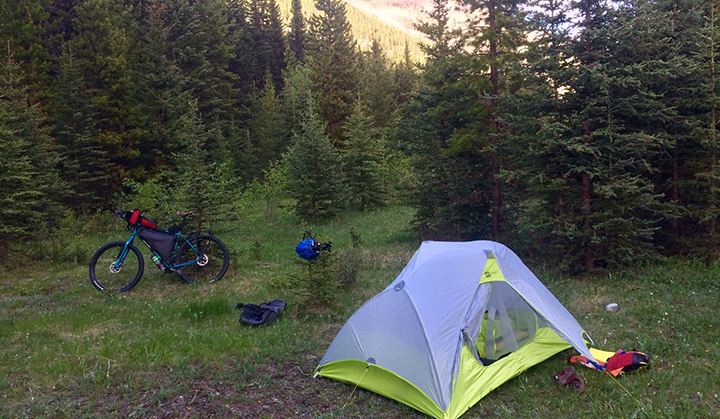
- Leave no trace by camping in designated sites and pack out what you pack in
- Secure food and other attractants with bear-proof canisters or hang it from a tree
- Keep dogs on leash
- When in bear country, be prepared — make noise, carry bear spray in an easy to reach place and know how to use it
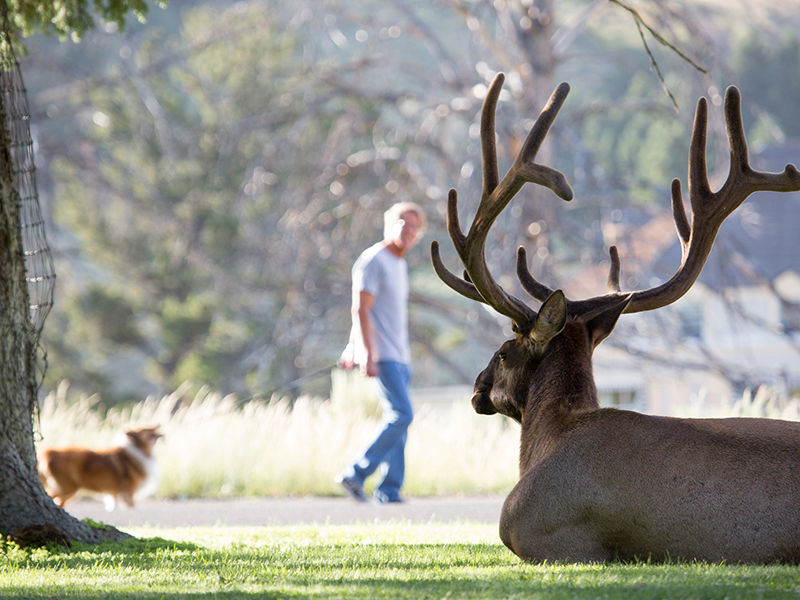
Helping people and nature thrive, together
Across the region, Yellowstone to Yukon Conservation Initiative helps communities understand, embrace, and expand practices that promote safety and harmony between people and wildlife.
Through partnerships with landowners, communities, governments, and the outdoor recreation sector, Y2Y plans and implements conflict prevention measures that work for everyone. Y2Y conducts research and advocates for policies and funding that make best practices for living with wildlife achievable across the region.
One of Y2Y’s goals is for people and communities to have the resources they need to be bear smart and to plan and manage outdoor recreation to keep people and wildlife safe and healthy for the long term.
Resources to help you live well with wildlife
Your commitment to conflict prevention and bear safety helps ensure that in the future, we can continue to experience the wonder of living in one of North America’s last great wild places. Y2Y offers expertise, resources, problem-solving support, and financial assistance to help you successfully coexist with wildlife.
- Need help with conflict prevention? Y2Y works with landowners and communities to design and implement measures specific to your unique challenges and needs. Connect with us for tools, resources, and support. Learn more >>
- Do you love outdoor recreation? Learn about Y2Y’s recreation ecology research and how to enjoy the outdoors while protecting wildlife.
- Are you a Hipcamp host or camper? Y2Y can help you be a responsible wild neighbour, including funding for conflict prevention measures on your property. Find resources >>
Other questions? Connect with Y2Y staff at info (at) y2y (dot) net.
Read more
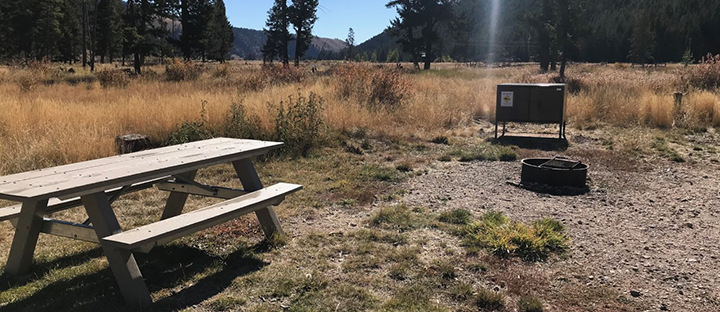
Food for thought: coexistence benefits people and wildlife
New bear-proof food storage lockers are going up in busy campgrounds along southwest Montana’s Big Hole River. Read about why tools like these are important for grizzly bear populations and people.
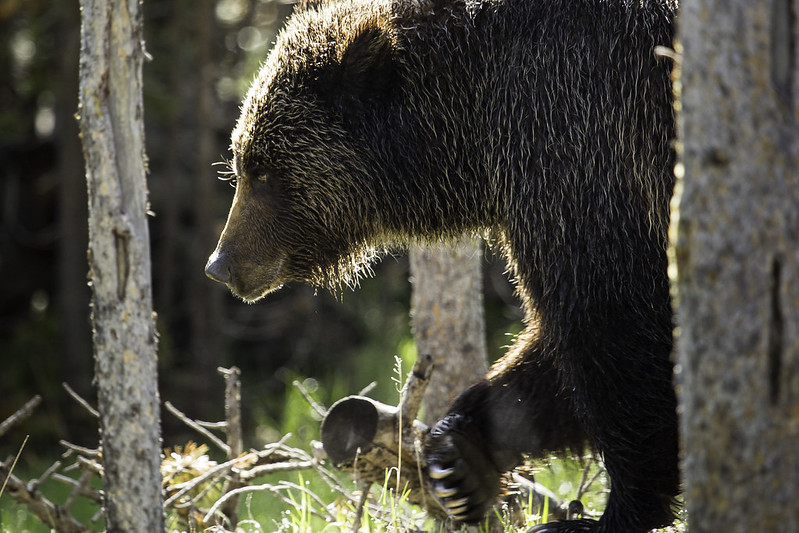
Collaborating to improve coexistence in the High Divide
Discover a few of the ways that Y2Y, in collaboration with some fantastic partners, have recently worked to reduce and manage attractants like food and garbage in Montana’s High Divide.
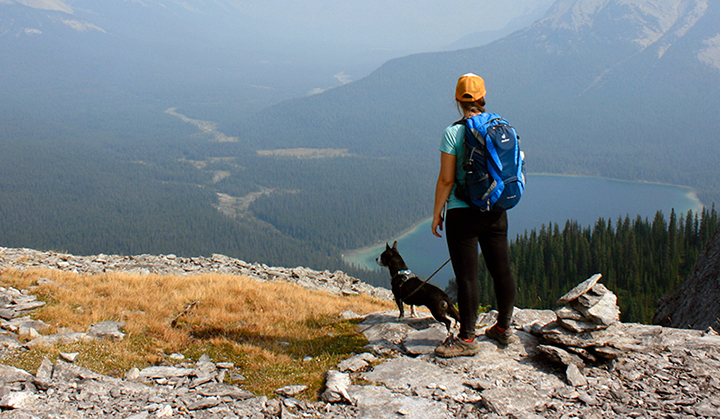
4 ways to enjoy nature responsibly with your conservation canine or cat
Bringing your furry friend along to explore the wild? Here are four ways you can enjoy nature while protecting the pets, wild places and wildlife you love.
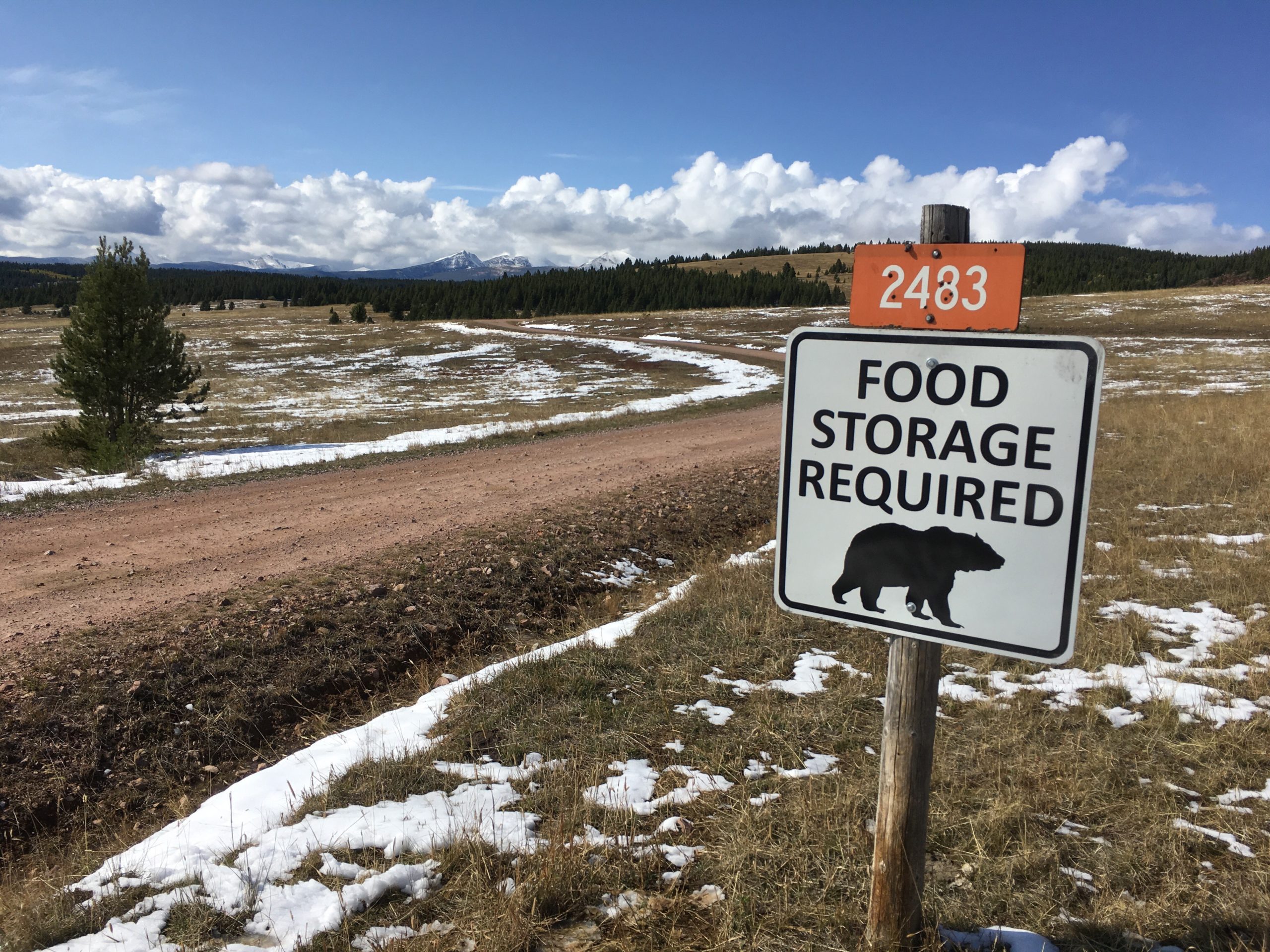
6 tips to keep yourself, your pets, and bears safe
Learn 6 tips for sharing space with wildlife, including black and grizzly bears.
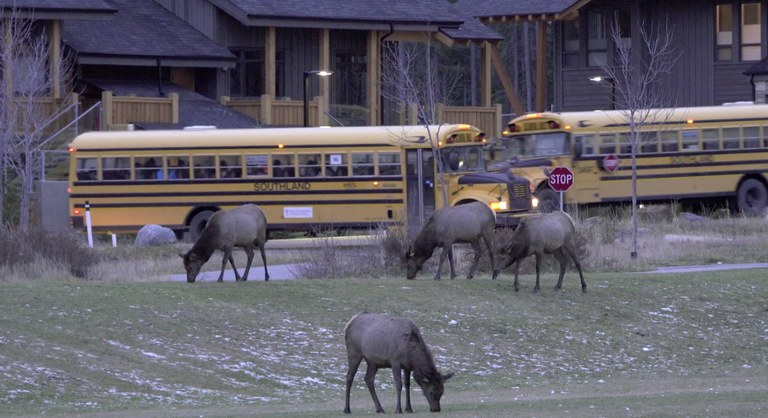
Five ways to share space with wildlife
Live in a mountain town that shares space with large wildlife? Get involved and ensure animals stay safe.
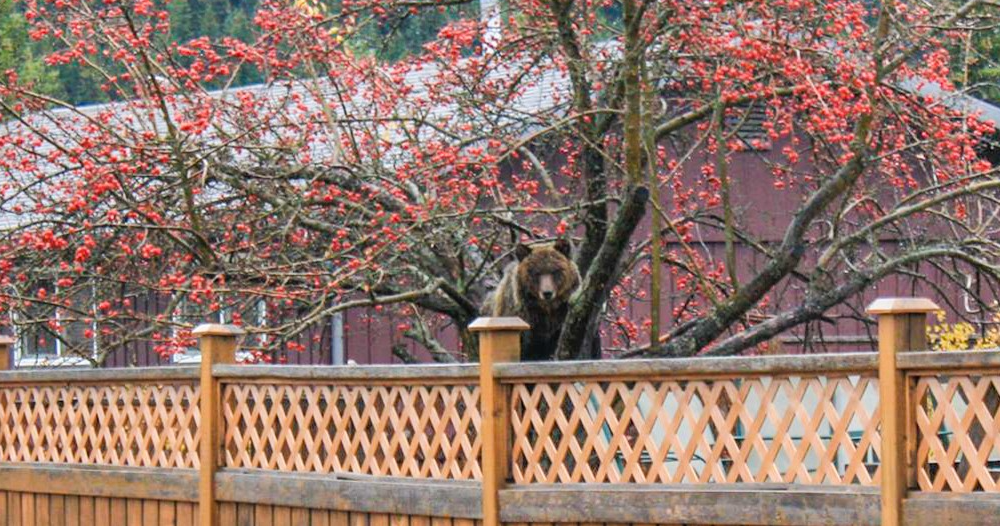
Fruitful measures to protect bears in British Columbia
When it comes avoiding negative conflict between people and bears, managing fruit trees in communities is a key step.