Y2Y is thrilled to celebrate Dr. Graham McDowell as the recipient of the Canadian Association of Geographers’ 2026 award for scholarly distinction in geography
The Canadian Association of Geographers is dedicated to strengthening the discipline of geography through research dissemination, educational advancement, professional recognition, and national and international collaboration. This prestigious national award recognizes outstanding contributions to the field of geography.
Graham’s work focuses on how climate change is reshaping mountain regions, including supporting responses that are both socially just and ecologically sound so people and nature can thrive in changing mountain landscapes. His early field-based research in the Nepal Himalaya, Peruvian Andes, Greenland, the Canadian Arctic and Rocky Mountains was among the first to examine the human dimensions of climate change in mountain regions, helping to catalyze what is now an active area of research globally.
An influential voice in mountain research in Canada and internationally, Graham has authored roughly 40 peer-reviewed publications. He has also contributed as an author to the UN’s Intergovernmental Panel on Climate Change, where he led assessments on adaptation in high mountain areas, and founded and led the award-winning Canadian Mountain Assessment. He gave a keynote at the International Mountain Conference and was an invited speaker at UNESCO in Paris for the inaugural World Day for Glaciers. He also served on the Canadian Steering Committee member for the UN Glacier Year and now sits on the National Steering Committee for Canada’s Living in our Changing Climate assessment report.
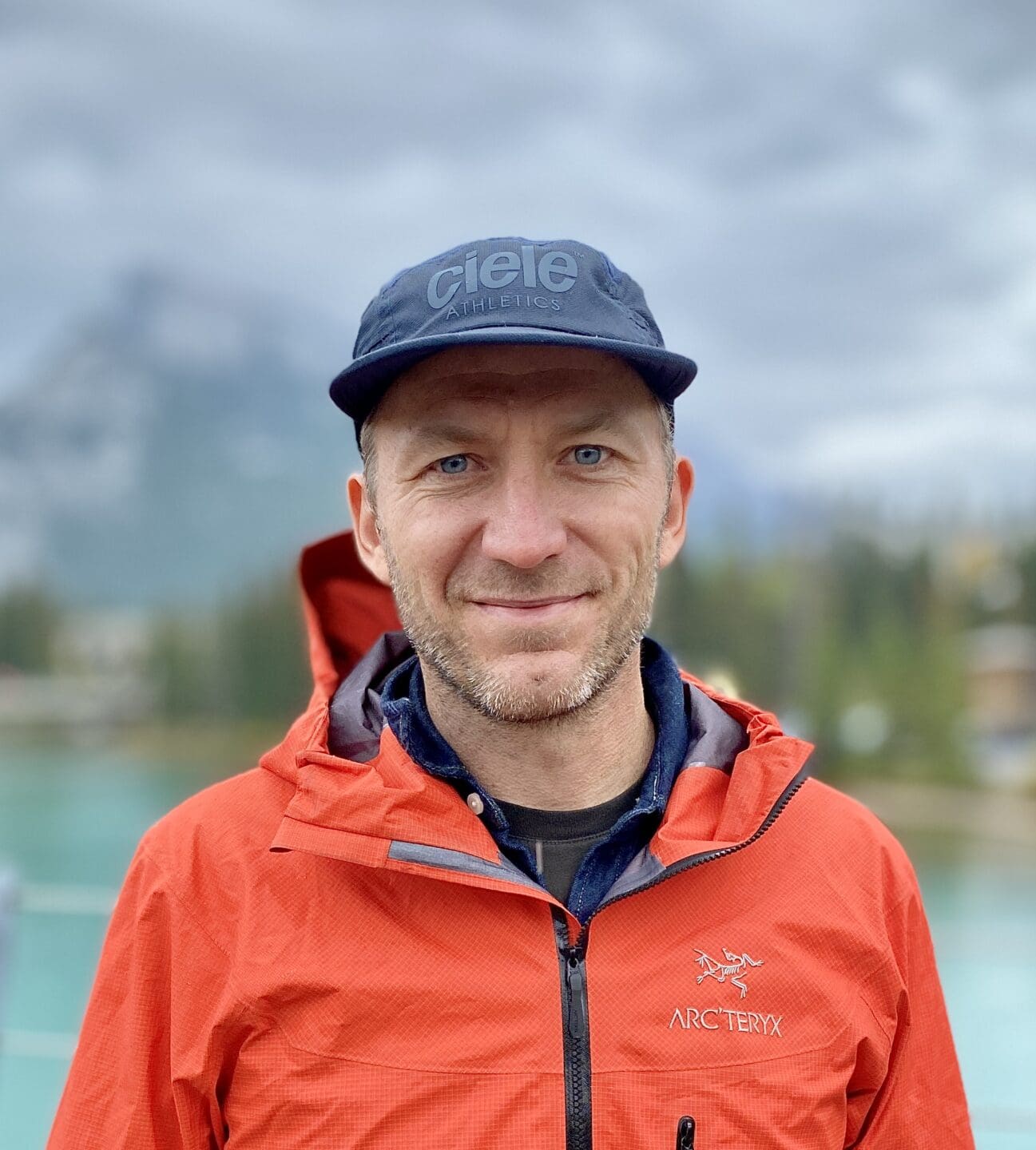
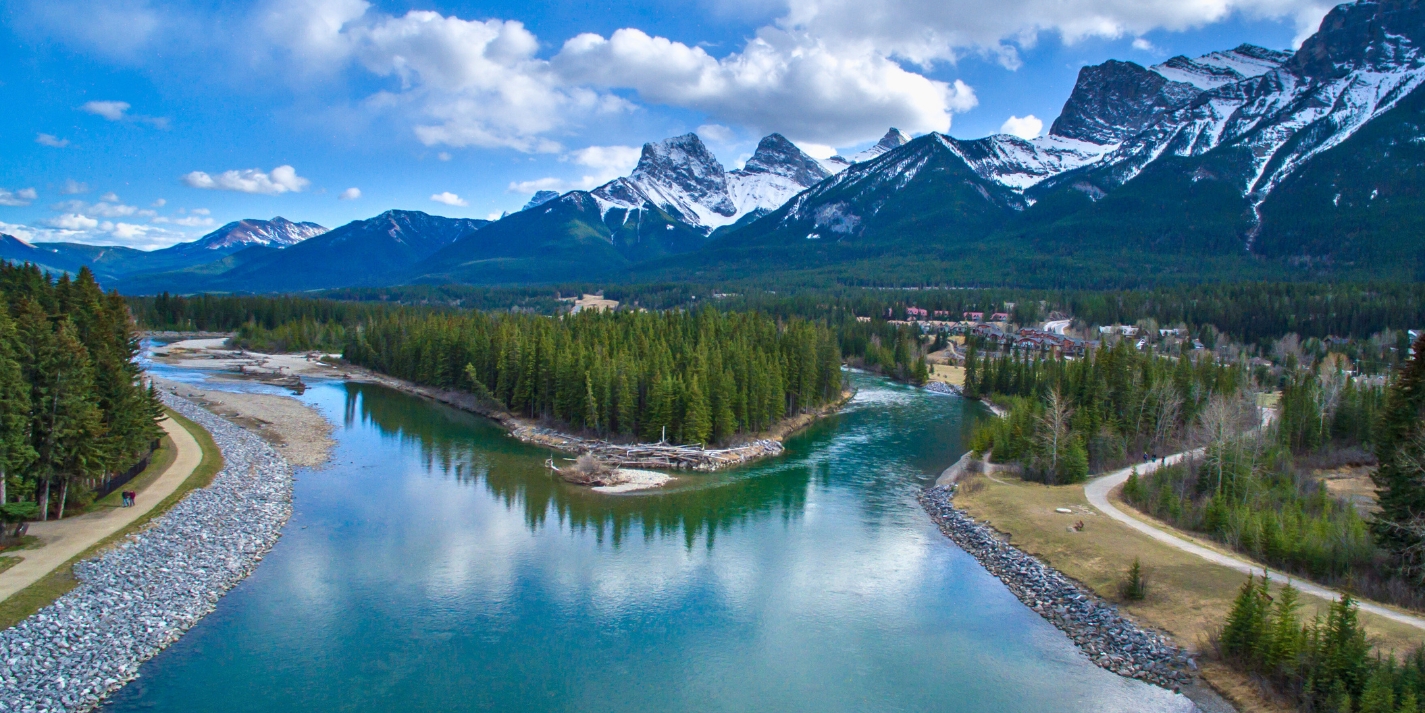
Today, Graham brings this experience to his role as director of science and knowledge at Yellowstone to Yukon Conservation Initiative. From Y2Y headquarters in Canmore, Alberta, he and his team work to advance research and partnerships that support landscape protection and connection, human–wildlife coexistence, and nature‑positive climate action across one of the planet’s largest and wildest connected mountain regions.
In celebration of this achievement, we sat down with Graham to learn about his perspective as a geographer, including how his work intersects conservation and climate change.
You’ve described yourself as a mountain geographer. What does that mean to you?
Geography focuses on relationships between people, places, and the environment, which immediately resonated with me given my interest in climate change impacts and solutions. I describe myself as a mountain geographer because mountains are the places where I have explored those relationships most deeply. They are not just physical landscapes; they are lived‑in, culturally significant, ecologically vital places that are changing rapidly. My work focuses on understanding those changes as connected human and environmental processes, and using that understanding to support better decisions.
Your career began with empirical research on how people experience and respond to climate change in some of the planet’s most demanding environments. What did that work teach you about the human dimensions of climate change?
That work taught me that climate change in mountains is never just about snow, ice, and water, but about how those changes intersect with livelihoods, governance, culture, and the environments people depend on. In the communities I’ve worked with, shifts in mountain hydrology, ecosystems, and hazards are reshaping daily life and future options in uneven ways, with experiences of climate change differing sharply within and between places.
I also saw that adaptation is not simply a technical fix. Responses related to infrastructure and resource management can reduce immediate risks while degrading mountain ecosystems that support food, water, biodiversity, and cultural values, meaning some actions can be maladaptive — solving one problem while creating others. These research efforts convinced me that understanding the human dimensions of climate change in mountains means looking at social and ecological change together and paying attention to who benefits or loses from particular responses, how decisions affect species and ecosystem services, and whether adaptation efforts strengthen or erode the long‑term resilience of both communities and mountain ecosystems.
You later contributed to major national and international knowledge assessments, including the UN’s Intergovernmental Panel on Climate Change (IPCC) and the Canadian Mountain Assessment, which you founded and led. How did this shift the scale and purpose of your work?
These experiences expanded my work from place-based research to national and international efforts to shape research and policy priorities. The IPCC is a powerful platform for elevating critical issues in climate research, including the human dimensions of climate change in mountain regions. Contributing to mountain-focused chapters in IPCC assessments was highly rewarding, but it also made clear that conventional science-led assessments miss much of the knowledge held by people living in mountain regions. That realization, alongside a desire to substantially advance understanding of mountain systems in Canada, was a major reason I founded the Canadian Mountain Assessment.
Through that initiative, our team of over 80 Indigenous and non-Indigenous contributors co-developed an approach to bring multiple ways of knowing together to achieve a fuller understanding of mountains in Canada. It provides an (imperfect) proof of concept for more inclusive assessment methodologies, and we have already seen it informing other major assessment initiatives globally, while also giving us lessons we’re bringing into our work at Y2Y.
Much of your work has focused on bringing different kinds of knowledge together. Why is co-creation with communities, including Indigenous Peoples, essential to better conservation and climate solutions?
Co-creation is essential because the most important environmental challenges cannot be understood from one knowledge system alone. Communities, and especially Indigenous Peoples, hold deep knowledge of lands, waters, and species that is essential to understanding change and shaping appropriate responses. Co-creation also changes the purpose and accountability of research. Rather than extracting information and translating it into outside priorities, it means working together to define questions, interpret evidence, and produce outcomes that are meaningful to those most connected to the landscape. For conservation and climate solutions, this can lead to work that is more grounded, more ethical, and better able to support decisions that people trust and can act on.
How does receiving the CAG Award for Scholarly Distinction in Geography strengthen or affirm the work you are helping lead at Y2Y?
I see this award as another sign that integrative mountain research and co‑creating knowledge with communities is resonating beyond niche research circles. It reinforces my sense that the science and knowledge work our team is doing here — linking large‑landscape protection and connection, community priorities, and climate action across the Yellowstone to Yukon region — can help move conservation in new and meaningful directions. In a place where the futures of people and nature are so closely intertwined, the award underscores how geographic thinking can connect evidence, relationships, and action at the scales that the climate and biodiversity crises demand, and I’m grateful to be part of that work at Y2Y.
“I see this award as another sign that integrative mountain research and co‑creating knowledge with communities is resonating beyond niche research circles. It reinforces my sense that the science and knowledge work our team is doing here — linking large‑landscape protection and connection, community priorities, and climate action across the Yellowstone to Yukon region — can help move conservation in new and meaningful directions,” says Dr. Graham McDowell.
Related stories
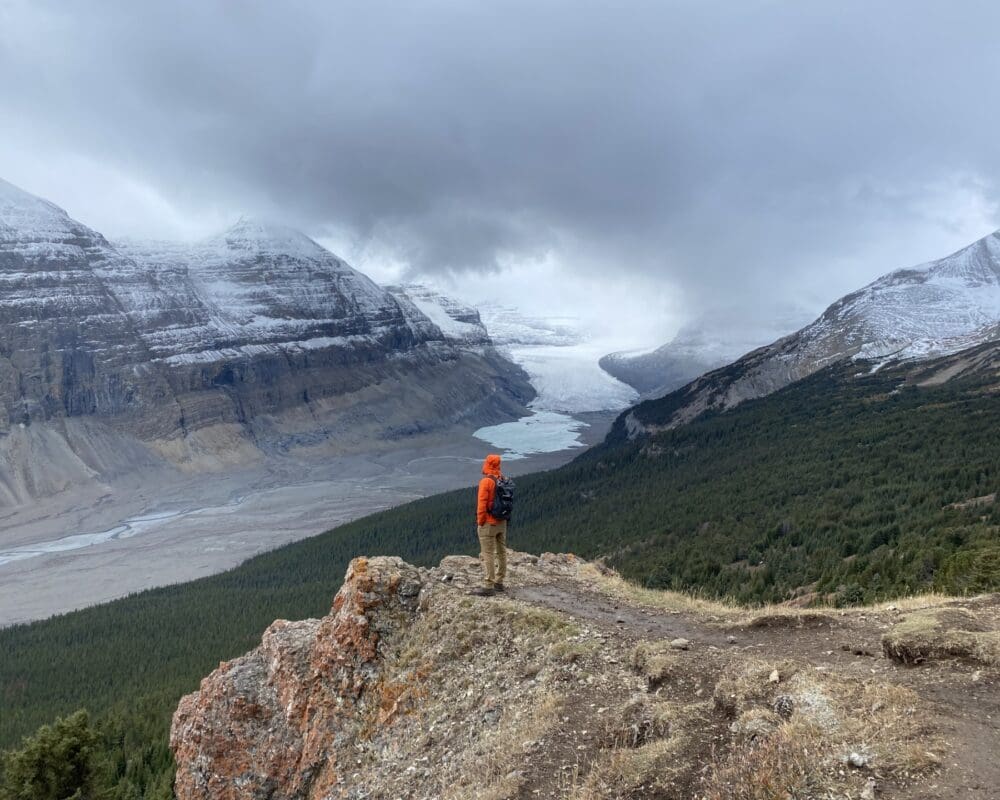
Y2Y team welcomes Dr. Graham McDowell as Director of Science and Knowledge
Dr. Graham McDowell will lead Y2Y’s work to bring Western scientific, local, and Indigenous knowledges together to help people and nature thrive across the Yellowstone to Yukon region.
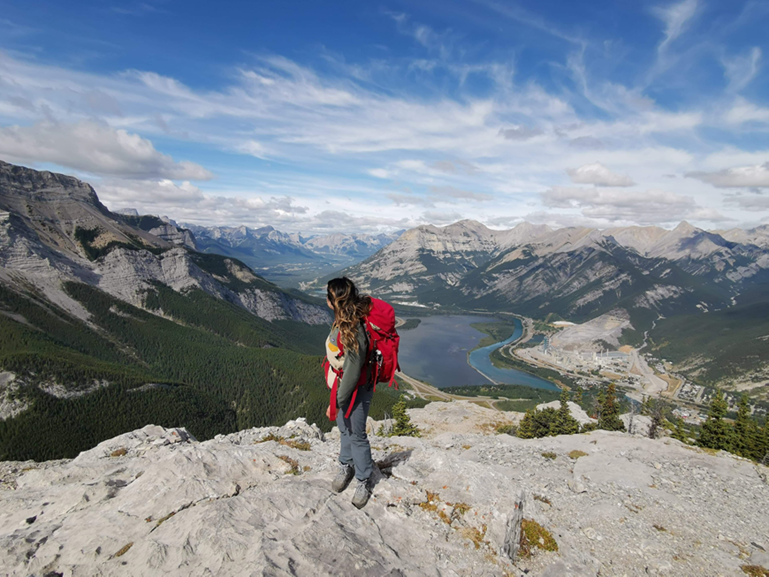
Exploring and learning from the Yellowstone to Yukon region
“Surrounded by the beauty of the West, it didn’t matter that my legs ached every time I took a step forward, or that I could feel my body’s limitations in my struggled breathing — it was all a part of the journey.”