The biggest, wildest place you’ve never heard of could be protected forever.
A once-in-a-generation opportunity to protect British Columbia’s largest intact landscape has reached a major milestone with the release of the Kaska-B.C. draft land use plan.
A major milestone has been reached in the effort to protect one of British Columbia’s last great and intact wild places. The draft Kaska B.C. land-use plan, which includes protection for the Dene K’éh Kusān region, is now available for public review and comment. British Columbians can help shape the future of the province’s largest intact wilderness landscape.
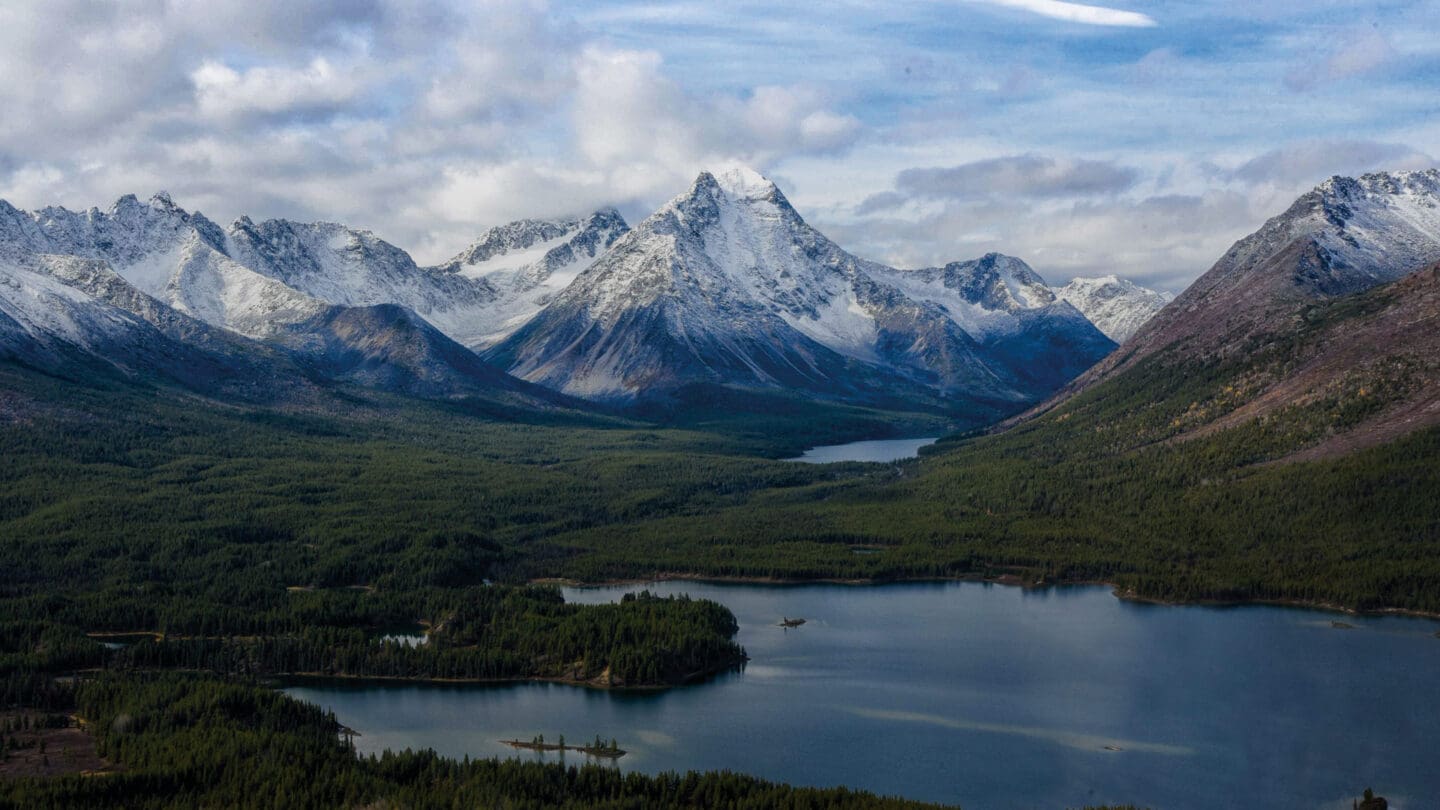
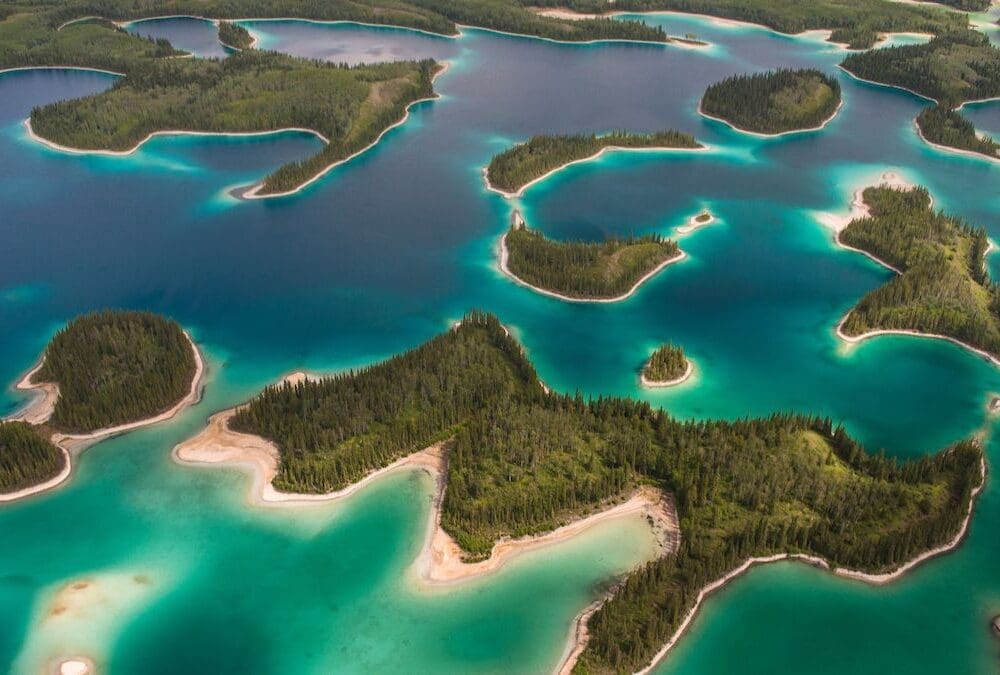
Spanning 30,651 square kilometers (7.57 million acres) in northwest B.C., Dene K’éh Kusān (which means “Always Will Be There” in Kaska) is the largest intact, unprotected wild landscape in the province.
The Kaska Dena have stewarded these lands for generations and their vision for Dene K’éh Kusān offers a path to protect wildlife, clean water, and cultural values while creating lasting opportunities for recreation, tourism, and Indigenous stewardship.
These land-use plans would add to the 30×30 global commitment of pledging to protect 30 percent of Earth’s lands and waters by 2030. Protecting Dene K’éh Kusān would move British Columbia approximately three percent closer to meeting the 30×30 goal.
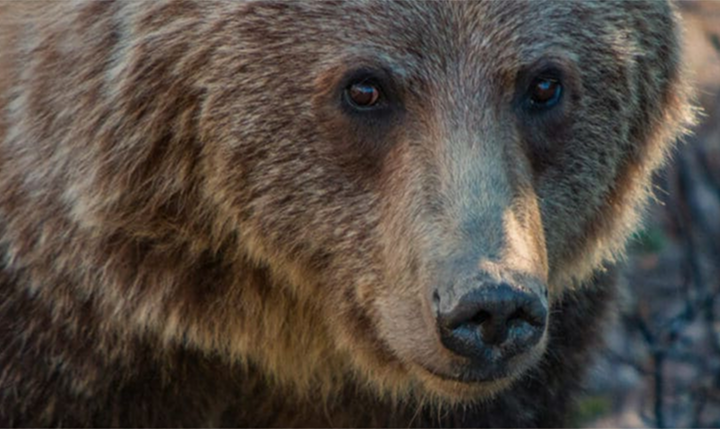
Roughly the size of Vancouver Island, Dene K’éh Kusān has no roads and no industrial development. It is home to grizzly bears, Stone’s sheep, moose, millions of migratory birds, and seven thriving caribou herds.
Building on established management areas, the Dene K’éh Kusān plan uses carefully mapped boundaries to balance ecological preservation with sustainable economic prosperity. By designing the zone to minimize overlaps with existing logging, mining, and gas permits, the Kaska have secured ongoing economic opportunities in these sectors.
“Protection would also help ensure future generations can continue to experience one of the wildest places left on Earth,” says Tim Burkhart, director of landscape protection at Y2Y.
“This place is the beating heart of the Yellowstone to Yukon region, a landscape that spans the spine of the Rockies as the largest intact mountain ecosystem left on Earth. We congratulate Kaska Dena and the Government of British Columbia in reaching this historic milestone and look forward to celebrating Dene K’éh Kusān.”
Protecting Dene K’éh Kusān would move British Columbia approximately four percent closer to meeting the 30×30 goal.
“It’s truly exciting that our Kaska Elders’ vision for protecting the heart of our territory is about to take a big leap forward,” says Michelle Miller, director of culture and land stewardship at Dena Kayeh Institute.
“Keeping the land healthy and intact is a legacy for future generations of Kaska, all British Columbians, and people from around the world who visit Dene K’éh Kusān.”
The draft plan represents a significant collaborative effort by Kaska First Nations, communities, governments, industry, conservation organizations, and other stakeholders who worked together to identify shared priorities for the region, balancing conservation, cultural values, and sustainable economic opportunities.
Now all British Columbians can take part in reviewing and making their voices heard on this historic conservation journey.
The advancement of Dene K’éh Kusān and the Kaska Land Use Plan represents a landmark achievement for the entire Yellowstone to Yukon region. Dene K’éh Kusān’s significance extends far beyond a single protected area, acting as a cornerstone for the region’s ecological connectivity, biodiversity conservation goals, and a new model of collaborative stewardship.
The draft plan and comment portal are available at: Kaska-B.C. Land Use Planning Project – Project Documents – Planning in Partnership
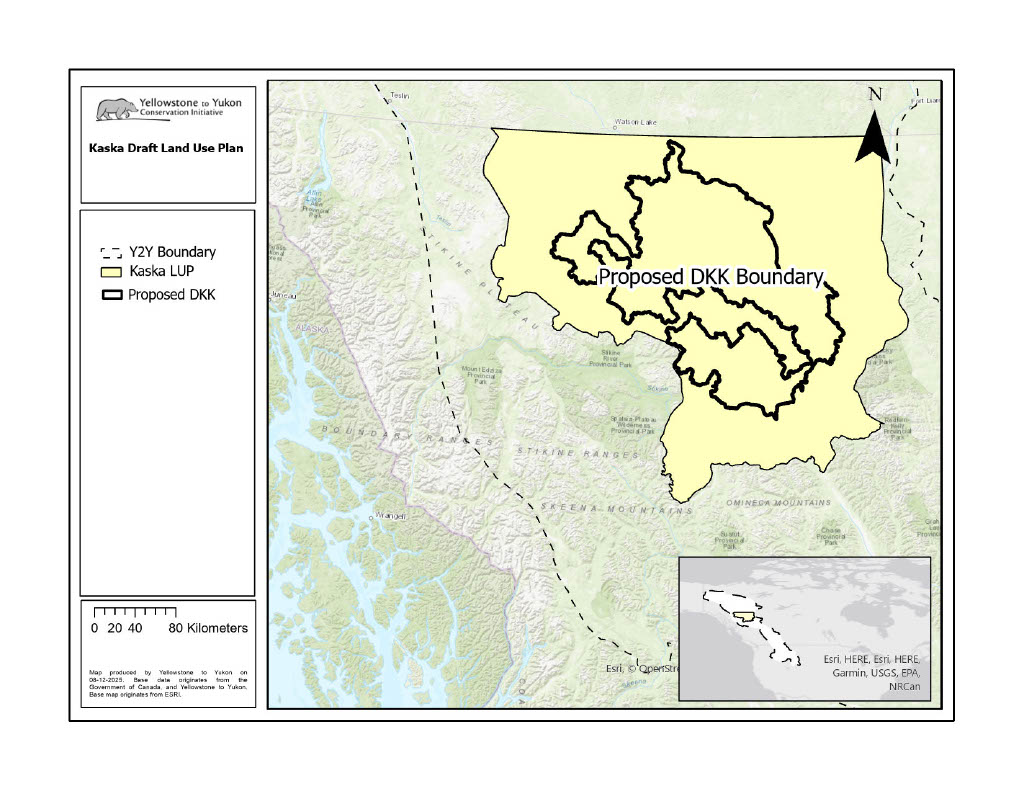
Additionally, the Province has released land use plans for Meziadin, and Klappan. These are also open for public comment as part of the North West Strategy, marking a major step forward for conservation across the Yellowstone-to-Yukon region.
These interconnected plans create new opportunities for protecting vital wildlife habitat and cultural values, and public input is now being welcomed to help shape their final outcomes.
Related stories
A once-in-a-generation conservation opportunity
In northern B.C., near the Yukon border, Dene K’éh Kusān is the largest tract of intact, unprotected wilderness in B.C. It’s the beating heart of the Yellowstone to Yukon region, a globally significant landscape stretching across 40,000 square kilometers (9.88 million acres). It’s also the territory of the Kaska Dena, who have cared for these lands for thousands of years. And they have a plan to protect it for thousands of years more.
Indigenous-led conservation is the way forward
Elevating Indigenous leadership and rights is both the right thing to do and how we will help ensure healthy ecosystems can support all beings for many generations to come.