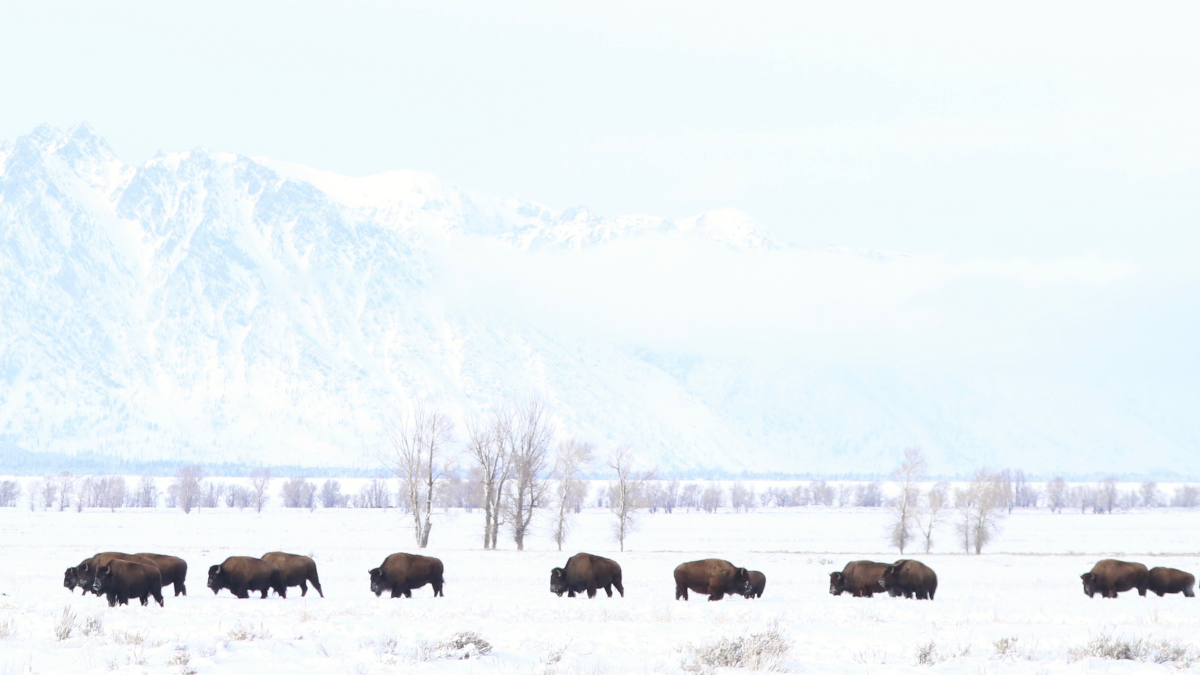
In the heart of the Yellowstone to Yukon region, mountain “water towers” rise above the land, sustaining hundreds of millions of people.
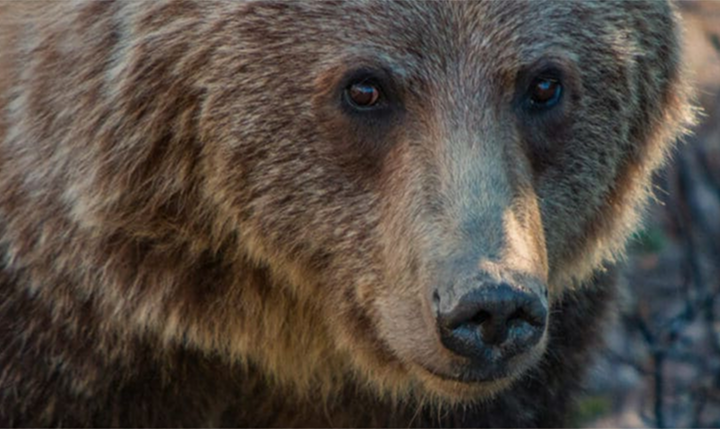
A growing network of wildlife crossings is helping people and wildlife, including grizzly bears, get where they’re going safely. Finally, donors, communities, Indigenous groups, scientists, government, and other partners are coming together from around the world, working to build healthy natural spaces where people and wildlife can thrive.
The future of conservation is connected, collaborative, and ambitious.
Y2Y works to advance conservation by partnering with diverse communities to connect and protect this vast, ever-changing mountain region. To guide our conservation efforts, we draw from the best available information, including from natural and social sciences as well as local and Indigenous knowledge. Our Science and Knowledge team is advancing understanding of how the landscape in the Yellowstone to Yukon region helps naturally regulate the climate.
This includes the role of ecosystems in storing carbon, removing CO₂ from the atmosphere, and highlighting where biodiversity conservation and climate action align. We are also studying how people are responding to climate change, including how adaptation actions affect ecosystems, connectivity, and long-term climate regulation. Together, this work is helping identify and support effective nature-based climate solutions across the Yellowstone to Yukon region.
Sharing knowledge about wildlife connectivity
In April, Y2Y reached a conservation milestone by participating in the first-ever Canadian Ecological Connectivity Conference, held in Banff, Alberta.
More than 200 people came from across North America to share knowledge about the urgent importance of wildlife connectivity.
We are grateful for the partners, Indigenous and non-Indigenous communities, government agencies, non-profits, and grassroots organizations whose leadership is propelling connectivity conservation” forward.
Relationships with each other and with the land are the foundation for a thriving future, and this gathering of professionals helped to strengthen those bonds.
In October, Y2Y played a leadership role in a groundbreaking report, Scaling Up: Conservation in a Connected World, which detailed conservation successes from the International Union for Conservation of Nature (IUCN).
This essential report demonstrates how largescale, connected conservation is doing more than transforming landscapes — it’s securing a thriving future for nature and people alike.
One feature case study focused on the Yellowstone to Yukon region, showcasing our decades of work connecting landscapes and communities across the world’s most ecologically intact large mountain region.
These case studies prove that when we think big and work together across borders, ecosystems, and communities, we can rise to meet conservation challenges.
Together, we are working towards a future where wildlife can roam freely, ecosystems remain whole, and people and nature thrive side by side. We look forward to sharing this knowledge, connecting communities working on similar challenges, and continuing to build on this momentum — for today, the future, and for all our relationships across this beautiful, vast, interconnected landscape.
Read more
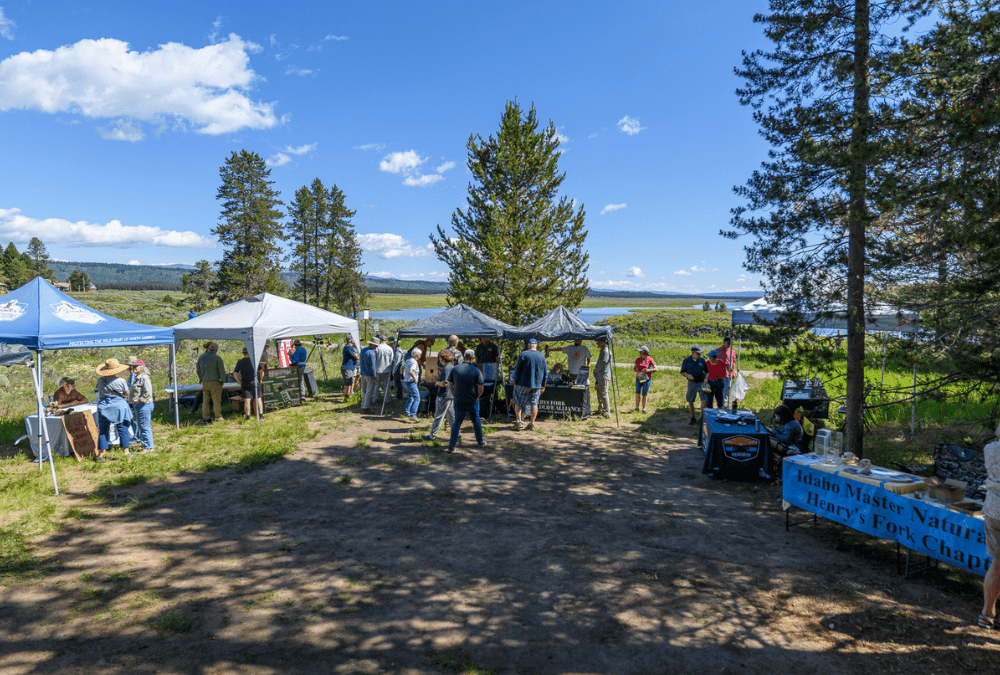
Conservation through collaboration
Achieving our vision across the Yellowstone to Yukon region — spanning the Yukon in Canada to Wyoming in the U.S. and at least 75 Indigenous territories — requires deep and ongoing collaboration. Here are just some of the impactful partnerships we are proud to be a part of in 2025.
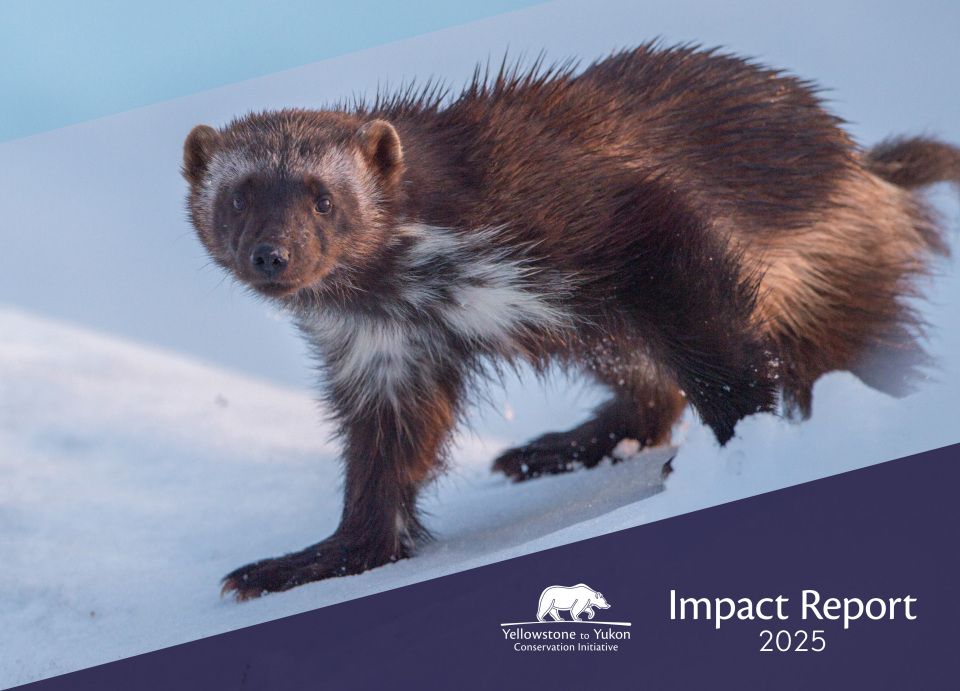
One big tent: Y2Y’s 2025 impact report is here
Discover the difference you made in 2024 in Y2Y’s latest impact report.
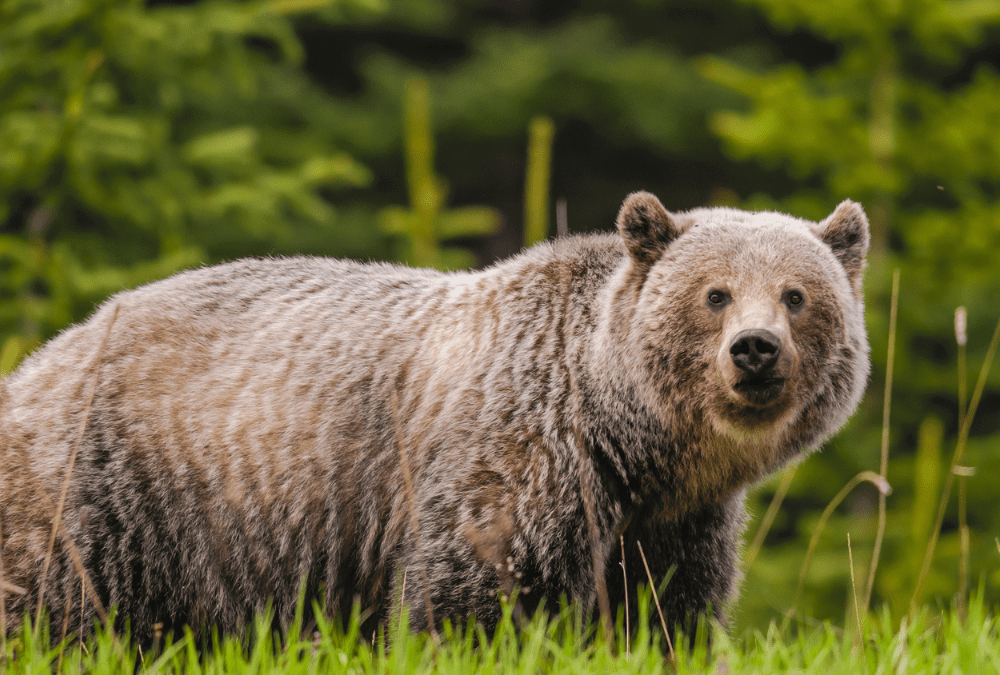
Good neighbors: Living with bears
The biodiversity in the Creston Valley, B.C., is unique and thanks to local conservation efforts, still includes grizzly bears. This has created an opportunity for the community to create solutions for how wildlife and people can live alongside each other.
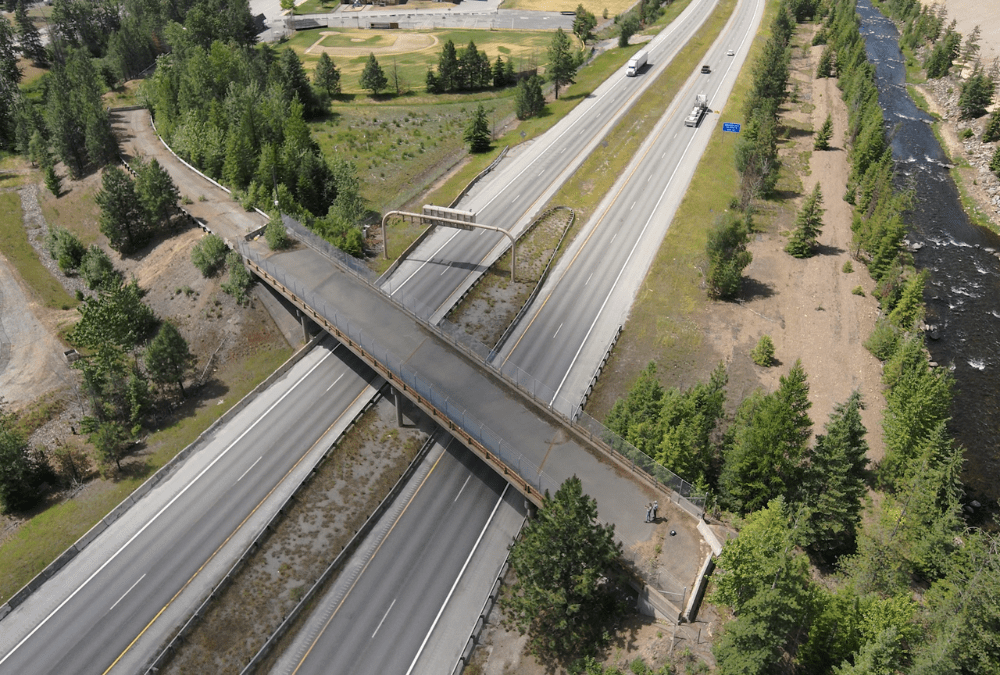
Reconnecting fragmented landscapes
Thanks to your support, Y2Y’s landscape connection team can continue their important work identifying and restoring critical corridors across some of the region’s busiest roads and most important habitat connections.
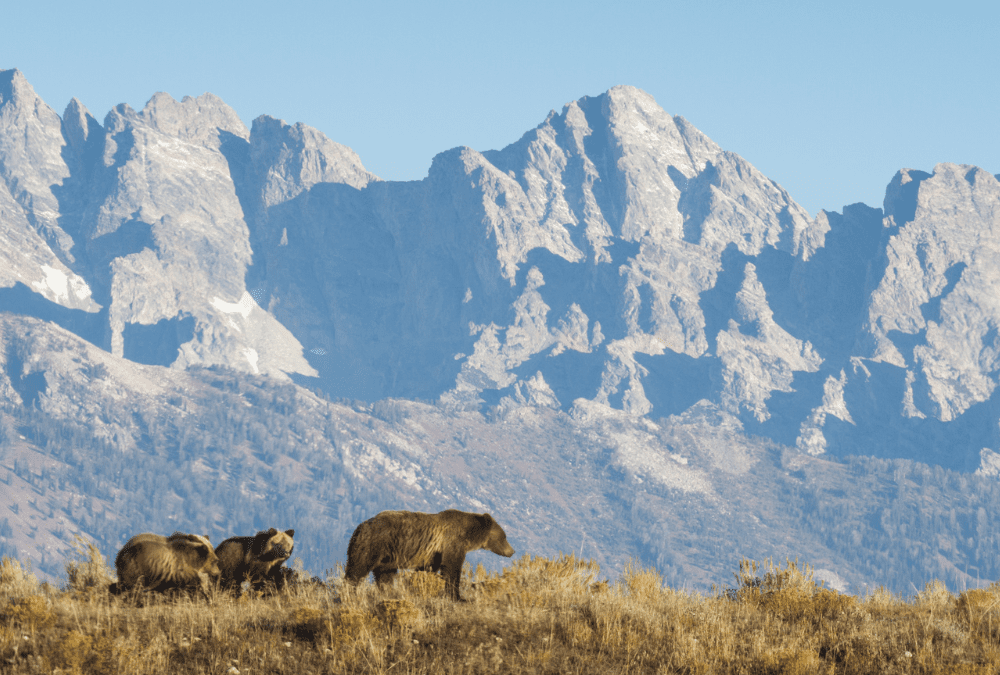
Helping grizzly bears find their way home
When Y2Y began in 1993, grizzly bear populations in the Yellowstone region had become separated by over 240 kilometers (150 miles) from bears in the Glacier National Park region of Montana and into Canada. Today, the gap between grizzly bear populations in the southern Rockies has shrunk to just 72 kilometers (45 miles).
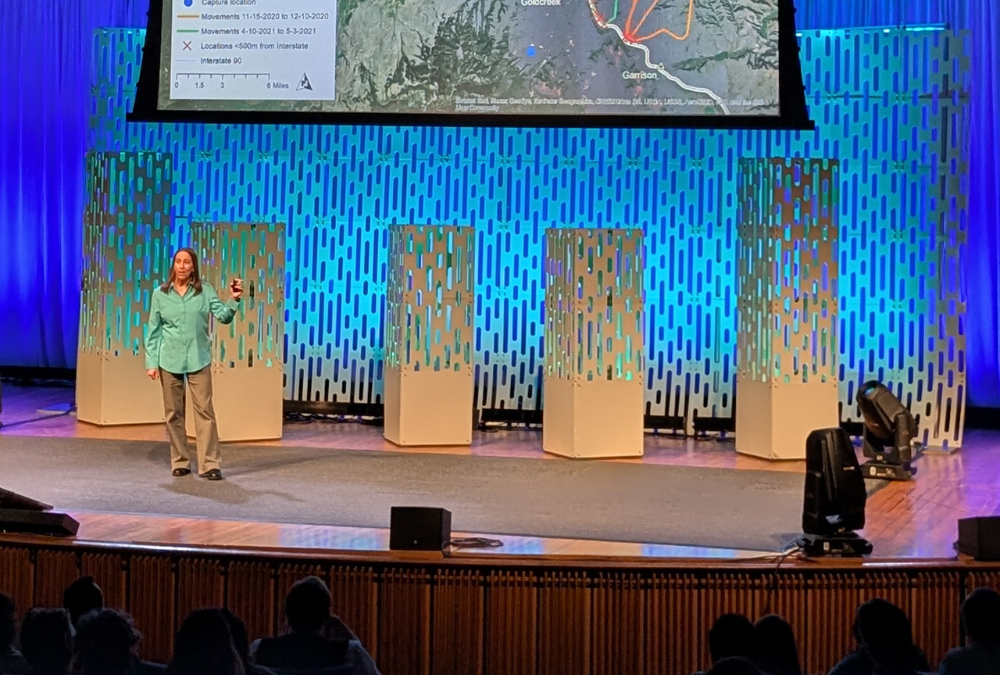
Room for everyone: Reflections on 2025 from Y2Y President and Chief Scientist, Dr. Jodi Hilty
When I think about what we’ve accomplished together this year, I’m reminded that the most powerful force in conservation isn’t any single policy, paper, or protected area — it’s people coming together around what they love.