The Creston Valley, tucked into the heart of southeastern British Columbia’s Kootenay region, is an idyllic spot.
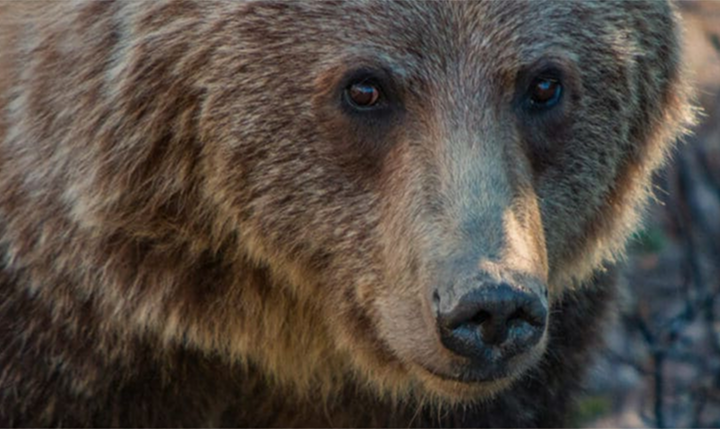
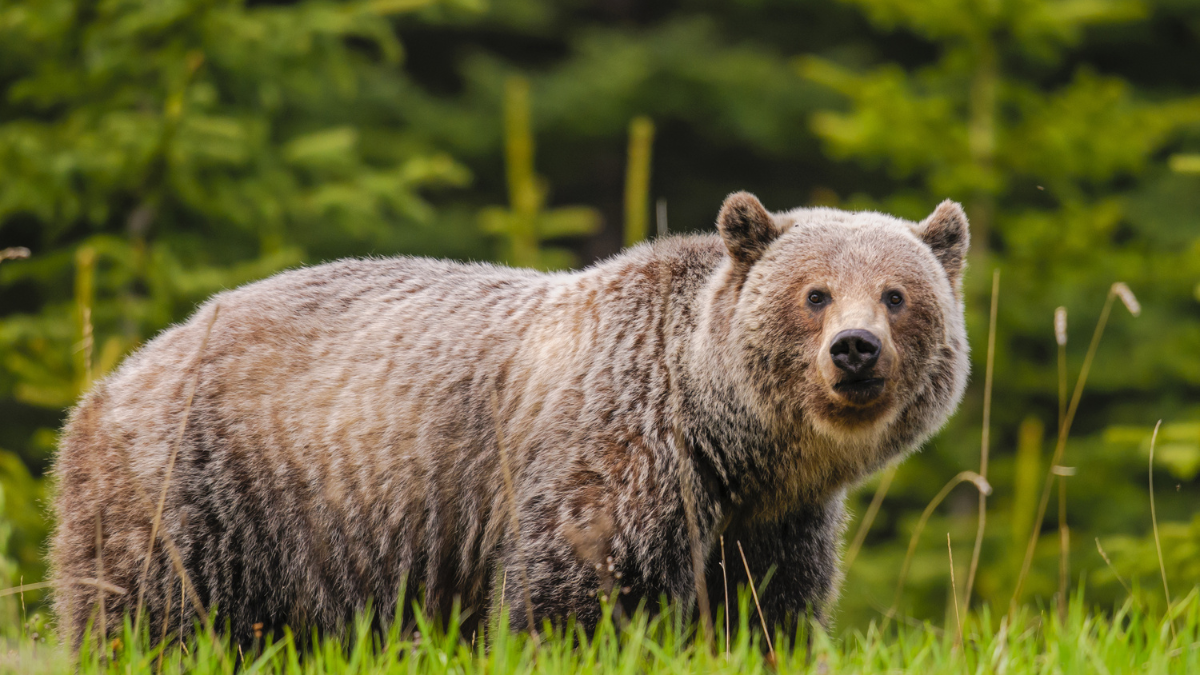
This beautiful place is flanked by majestic mountains and an abundant food basket for surrounding areas and beyond. The biodiversity here is unique and thanks to local conservation efforts, still includes grizzly bears. The presence of grizzly bears has created a coexistence challenge and an opportunity for the community to work together to create solutions for how wildlife and people can live alongside each other.
The Creston Valley in British Columbia was identified by B.C. government and independent biologists as a high priority for grizzly bear conservation and preventing human-bear conflict. Following a successful project in the nearby Elk Valley, local partners, the transboundary Grizzly Bear Project and Grizzly Bear Solutions, reached out to Y2Y for help.
“The valley floor is bears’ primary habitat, but bears can get ‘stuck’ in the valley when they have easy access to food”, says Nadine Raynolds, who leads Y2Y’s Communities and Conservation program. “The Creston Valley is a critical food growing area, but these farms can be conflict areas if we don’t manage the attractants.”
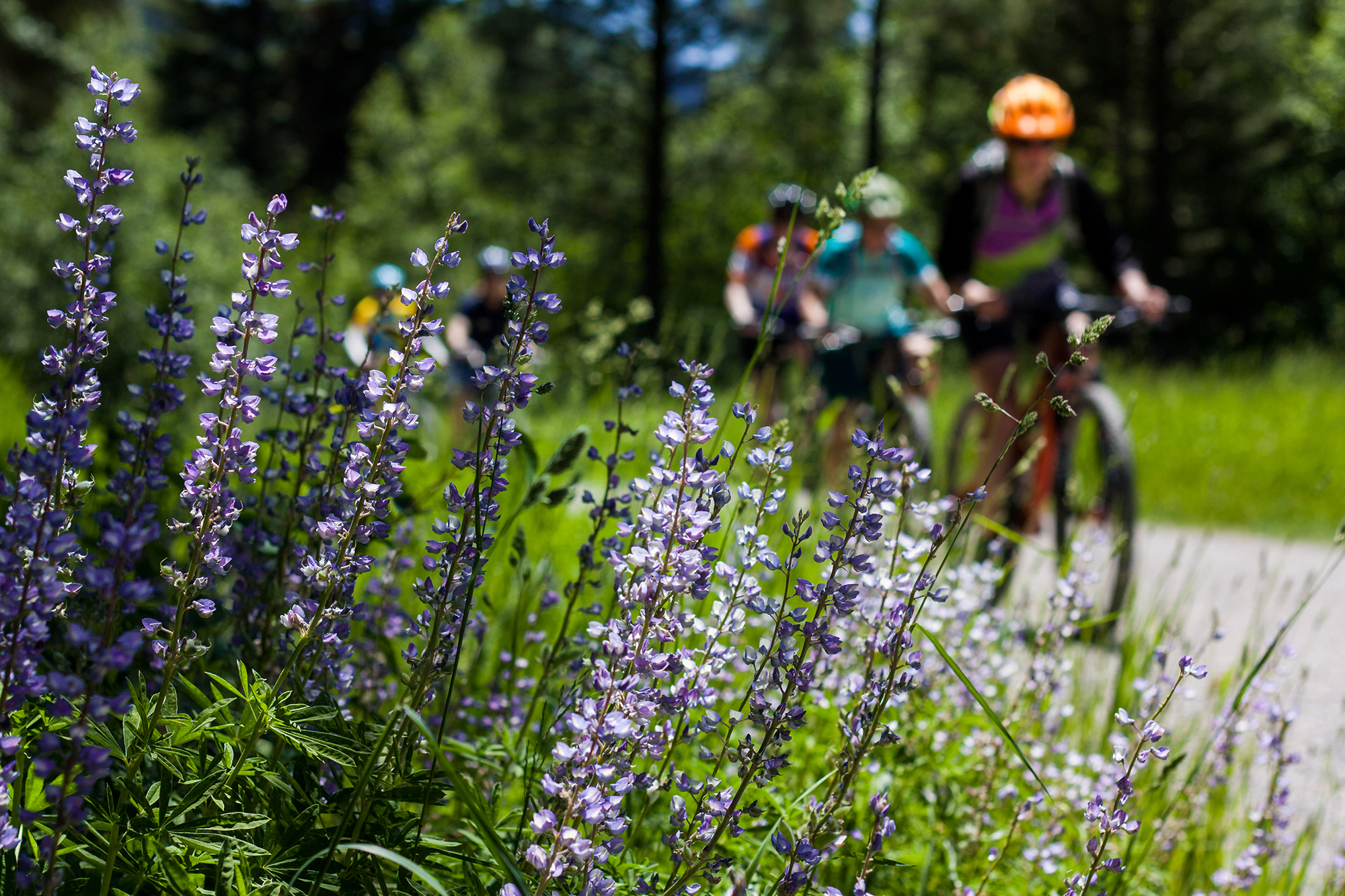
Community attention was heightened last summer when a couple were injured after surprising two grizzly bears while e-biking on a trail.
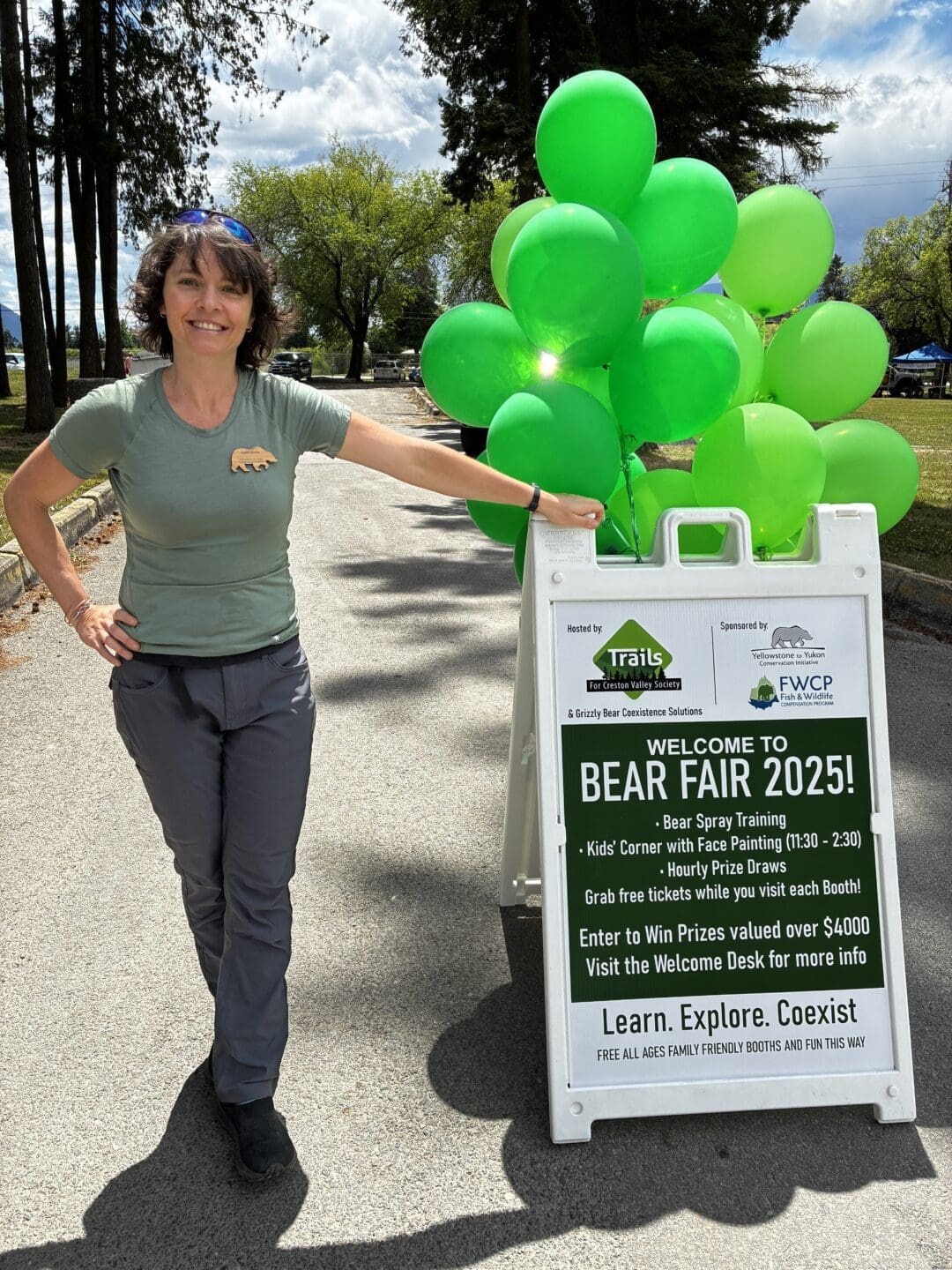
Y2Y co-hosted two community gatherings to explore solutions and supported the re-emergence of the Bear Fair.
Dairy farmers, orchardists, beekeepers, local and provincial government, the trail society, and many residents gathered to learn about coexistence strategies. The Ktunaxa, who have made their home on their traditional lands within the Kootenay region for more than 10,000 years, were important in providing perspective, insight and advice. The Ktunaxa people have a deep spiritual connection to the grizzly bear, and a stewardship obligation and duty to the Grizzly Bear Spirit and Qat’muk, the place where the Grizzly Bear Spirit was born, goes to heal itself, and returns to the spirit world. The grizzly bear is a source of guidance, strength, protection and spirituality for the Ktunaxa. Participation of Ktunaxa members in these gatherings offered a timely, relational approach that respects other species on the land and centres a commitment to stewardship.
Another workshop brought more than 100 people out to learn about bear safety. “These events really highlighted that people are interested in having this conversation,” says Raynolds.
The first year of the Creston Valley coexistence project has been a strong success.
With funding from Y2Y, a part-time coexistence coordinator will organize local efforts and develop a multiyear plan to expand support for farmers to manage attractants and for residents to stay safe.
“You’re never done with coexistence — it’s an ongoing process,” says Raynolds. “People want to be part of the solution, and they are with the education, tools and support to do so.”
Another event, September’s Corn Daze, included a tour of an electric fencing installation on a local farm that has been successful in keeping bears away.
Peer-to-peer learning helps farmers see effective management tools in action and hear from others with shared experiences.
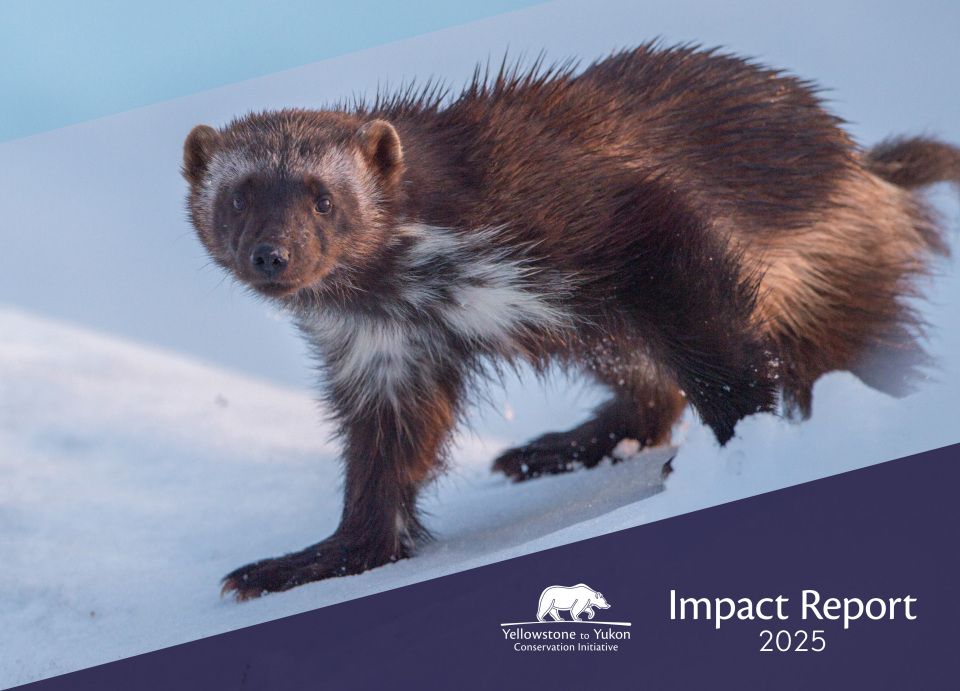
One big tent: Y2Y’s 2025 impact report is here
Discover the difference you made in 2024 in Y2Y’s latest impact report.
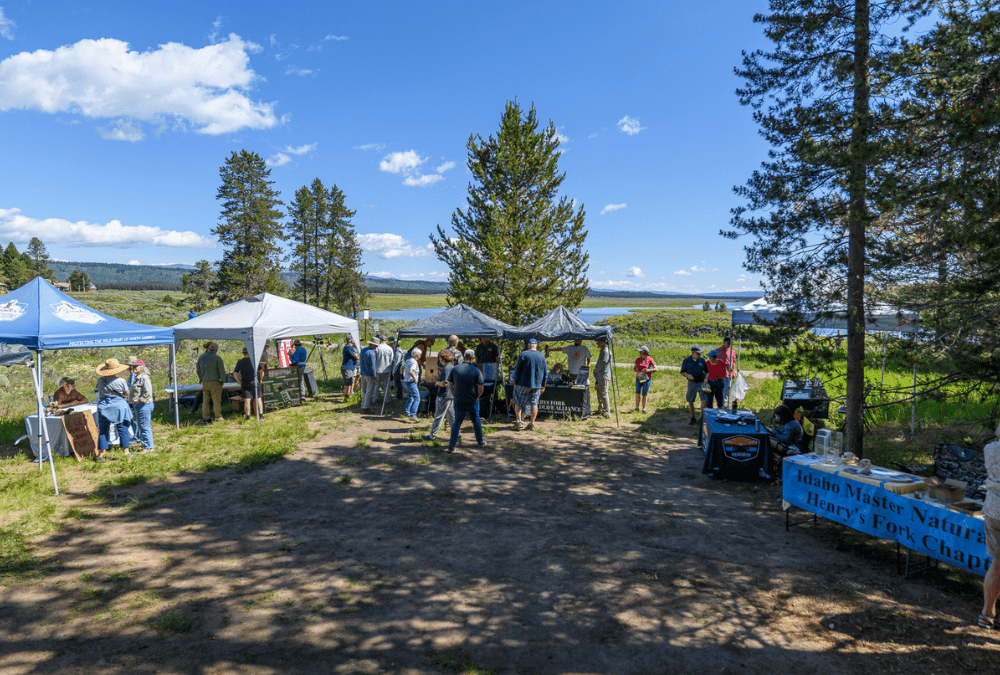
Conservation through collaboration
Achieving our vision across the Yellowstone to Yukon region — spanning the Yukon in Canada to Wyoming in the U.S. and at least 75 Indigenous territories — requires deep and ongoing collaboration. Here are just some of the impactful partnerships we are proud to be a part of in 2025.
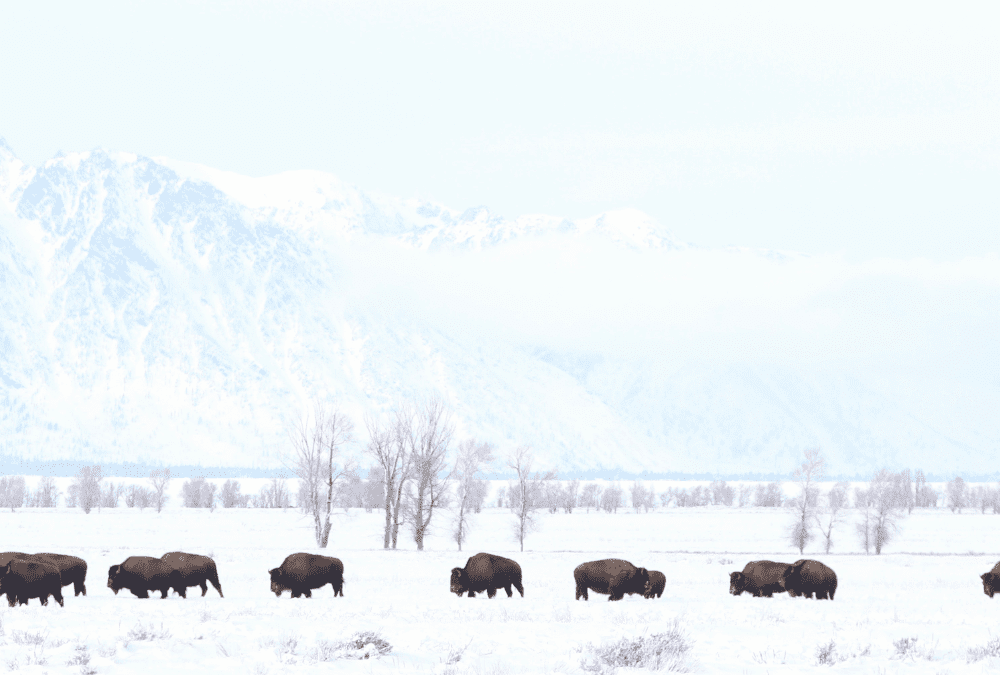
From collaboration and science to enduring conservation
Y2Y works to advance conservation by partnering with diverse communities to connect and protect this vast, ever-changing mountain region. To guide our conservation efforts, we draw from the best available information, including from natural and social sciences as well as local and Indigenous knowledge.
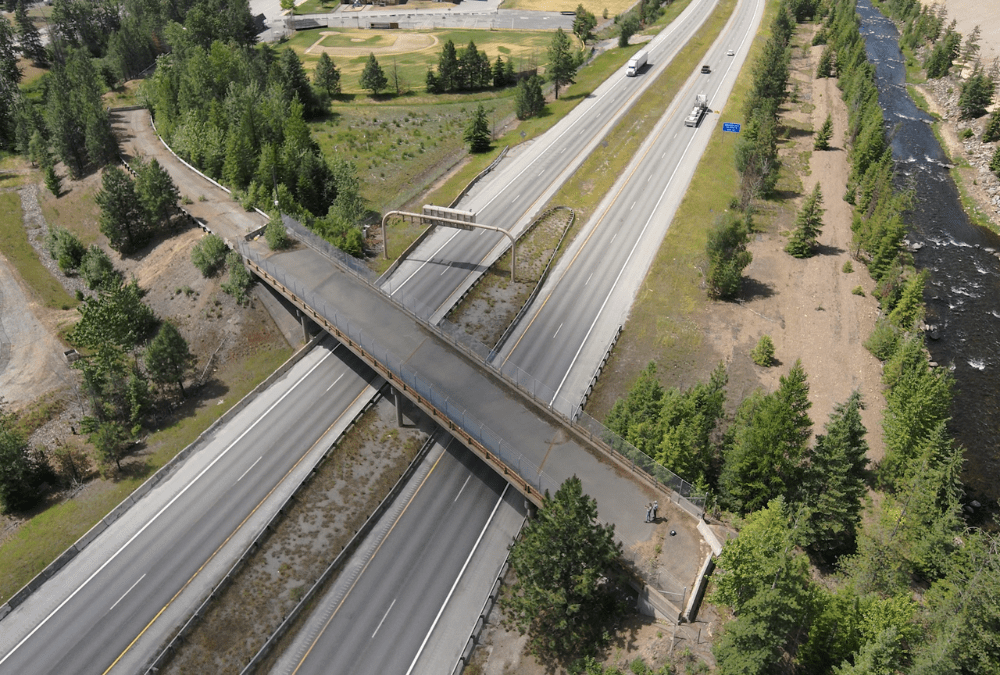
Reconnecting fragmented landscapes
Thanks to your support, Y2Y’s landscape connection team can continue their important work identifying and restoring critical corridors across some of the region’s busiest roads and most important habitat connections.
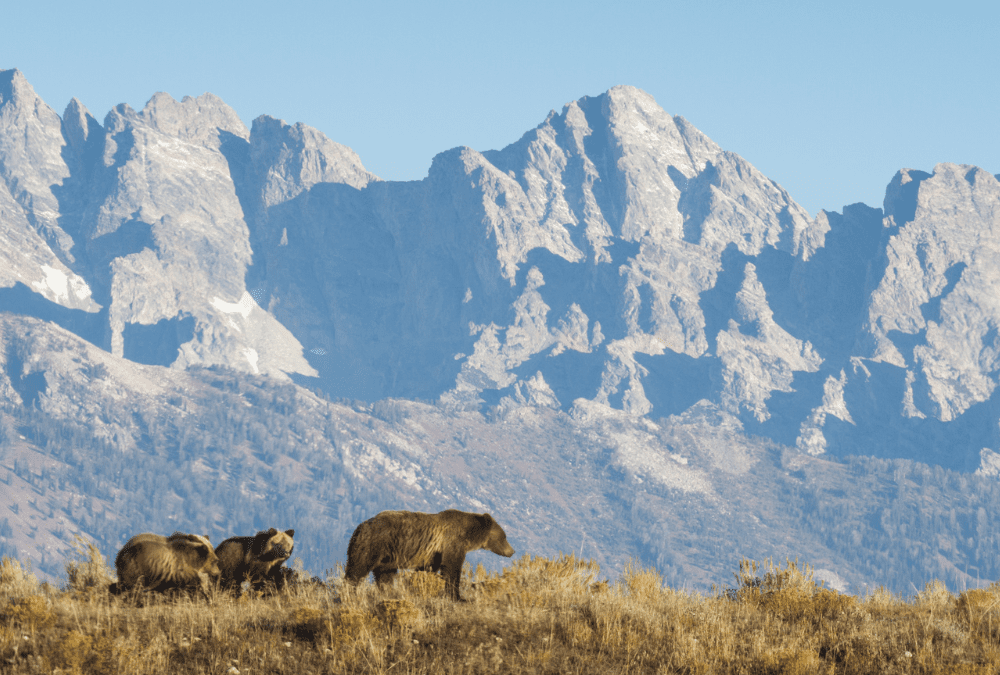
Helping grizzly bears find their way home
When Y2Y began in 1993, grizzly bear populations in the Yellowstone region had become separated by over 240 kilometers (150 miles) from bears in the Glacier National Park region of Montana and into Canada. Today, the gap between grizzly bear populations in the southern Rockies has shrunk to just 72 kilometers (45 miles).
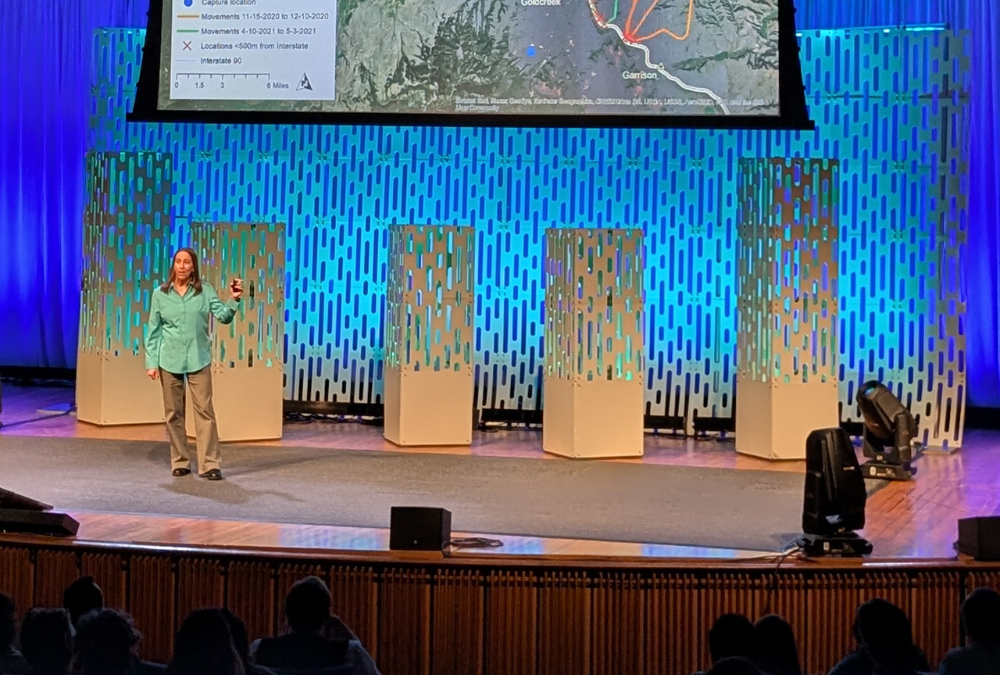
Room for everyone: Reflections on 2025 from Y2Y President and Chief Scientist, Dr. Jodi Hilty
When I think about what we’ve accomplished together this year, I’m reminded that the most powerful force in conservation isn’t any single policy, paper, or protected area — it’s people coming together around what they love.