This ecological gem saves more than just wildlife.
Many of you share a deep concern for wildlife and wild places, and an increasing worry about what a changing climate might mean for our watersheds and water supply. We tend to think of climate solutions in terms of personal actions — flying less, driving electric, changing what we eat. Or using economic tools like taxation or clean energy investment. These all matter. In addition, we need to maintain the role that nature is playing in keeping carbon from entering the atmosphere and pulling it out of the atmosphere. This is important because somewhere between 10-20% of the carbon going into the atmosphere today is from the destruction of nature.
Natural ecosystems are powerful climate tools, pulling carbon dioxide (CO2) out of the atmosphere, and locking it away in forests, soils, and peatlands.
This reduces the greenhouse effect and keeps the planet cooler. With this in mind, Y2Y’s science team set out to measure how powerful the Yellowstone to Yukon region really is. And the results are honestly mind-blowing.
Our researchers found the region absorbs 15 per cent of all CO2 annually across the US and Canada. That’s equivalent to the emissions of approximately 20 million cars every single year!
The region also stores 13 per cent of all the carbon locked up in plants and forests across both countries. Yet, this region makes up only 7 per cent of the total landmass — so it’s working overtime doing its part for climate change.
“It turns out that the region is like a big vacuum cleaner sucking CO2 out of the atmosphere. This relatively small landscape plays an outsized role in sequestering and storing carbon.” Dr. Graham McDowell, Y2Y’s Director of Science and Knowledge.
And that’s not all.
Deep in the peatlands, old growth forests, and ancient soils lie what scientists call irrecoverable carbon stores. They’re like geologic carbon vaults built over millennia. If they’re damaged or disturbed, they cannot be rebuilt on a timescale meaningful for society.
Dr. McDowell’s research shows that 40 per cent of carbon in the region is irrecoverable—and in the peatland soils, that number swells to a whopping 90 per cent! And this region, at less than 1 per cent of Earth’s surface, holds more than 3 per cent of the planet’s total irrecoverable carbon.
Which gives us yet another reason why this landscape is a global ecological gem worthy of our attention and protection.
We can combine this new carbon data with wildlife research and cultural values to focus our conservation work where it matters most.
When you support Y2Y and large-landscape conservation, you’re not just helping people and wildlife, you’re helping the planet.
Thank you for supporting Y2Y at the scale the climate and nature need!
What are those little bags hanging from the pine tree?
The area of Montana between Yellowstone National Park and the northwest mountains in Montana is called the High Divide Linkage Zone. Wildlife use the High Divide Linkage Zone to access…

North America’s greatest conservation opportunity
This map, published by scientists in 2004, shows the extent to which the ranges of 14 large mammal species have shrunk over the past 200 years and where they remain….
Living peacefully with grizzly bears
If you’ve ever spotted a grizzly bear in the wild, you’d never forget that feeling — equal parts excitement, fear, respect and sheer awe. Throughout the Yellowstone to Yukon region,…
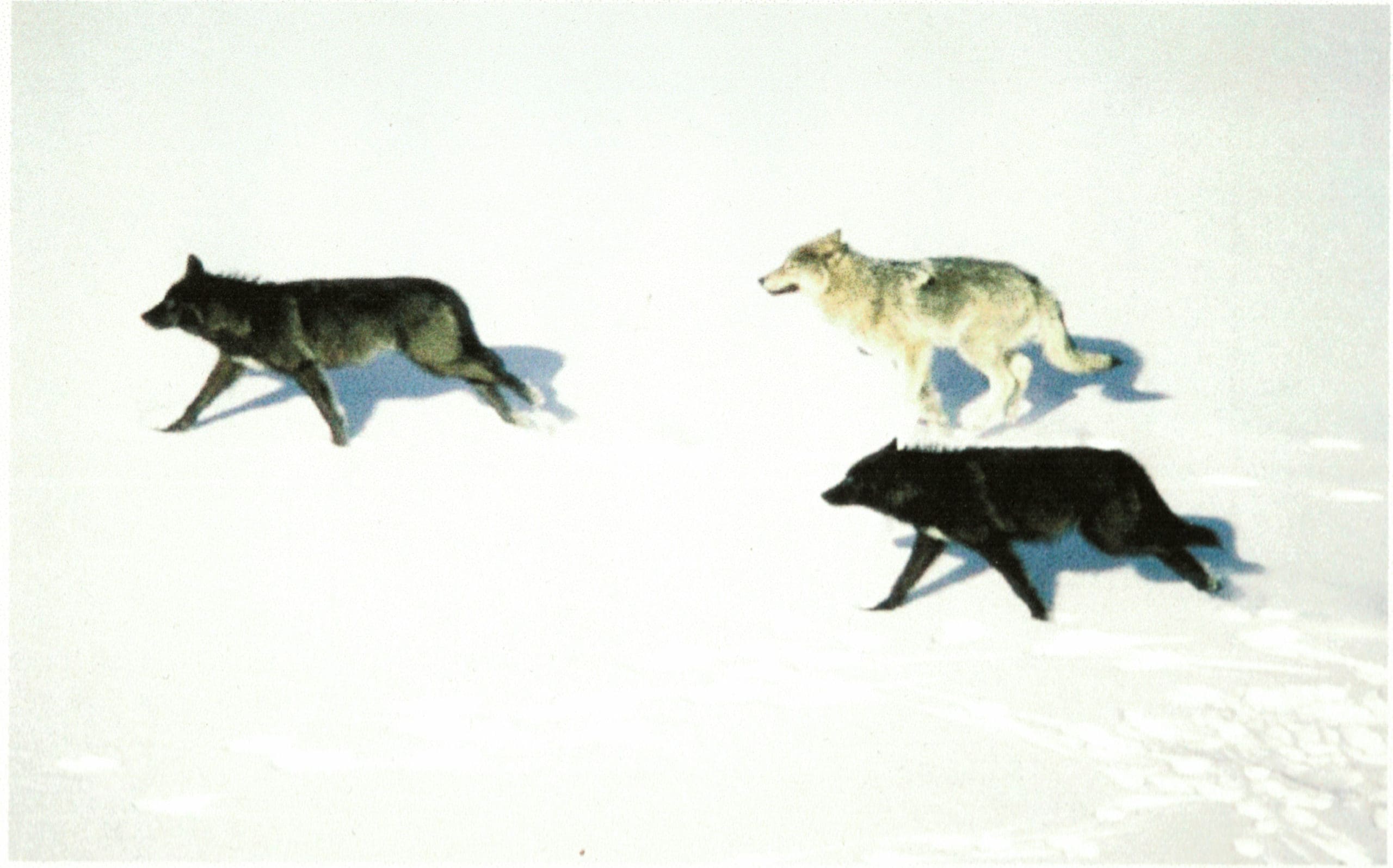
Wildlife’s need to roam: The story of Pluie the wolf
Thinking on the scale nature needs In the early 1990s, radio collars, satellite transmitters and GPS technology revealed a pattern of long-distance animal movements previously unknown to biologists. Between 1991…
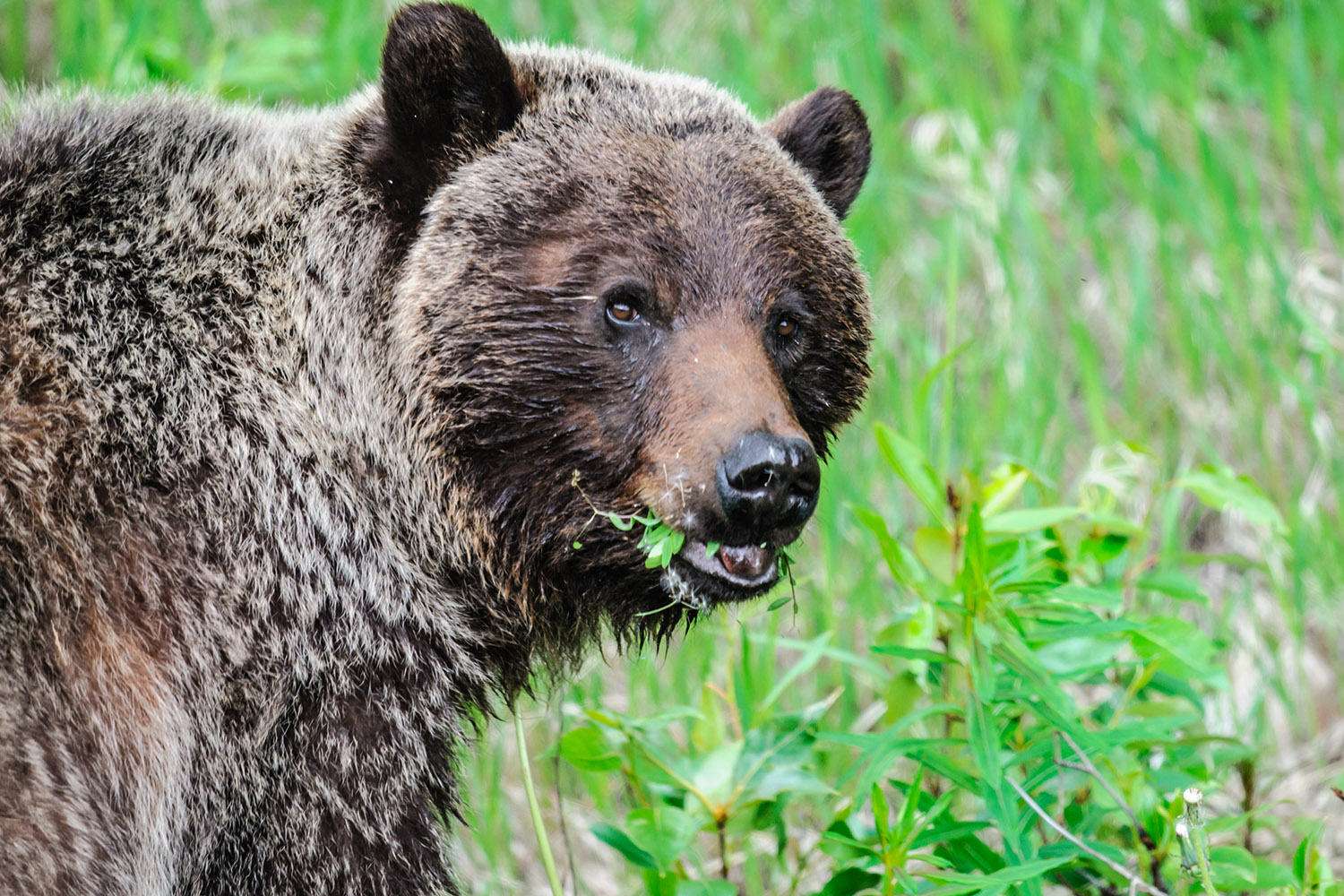
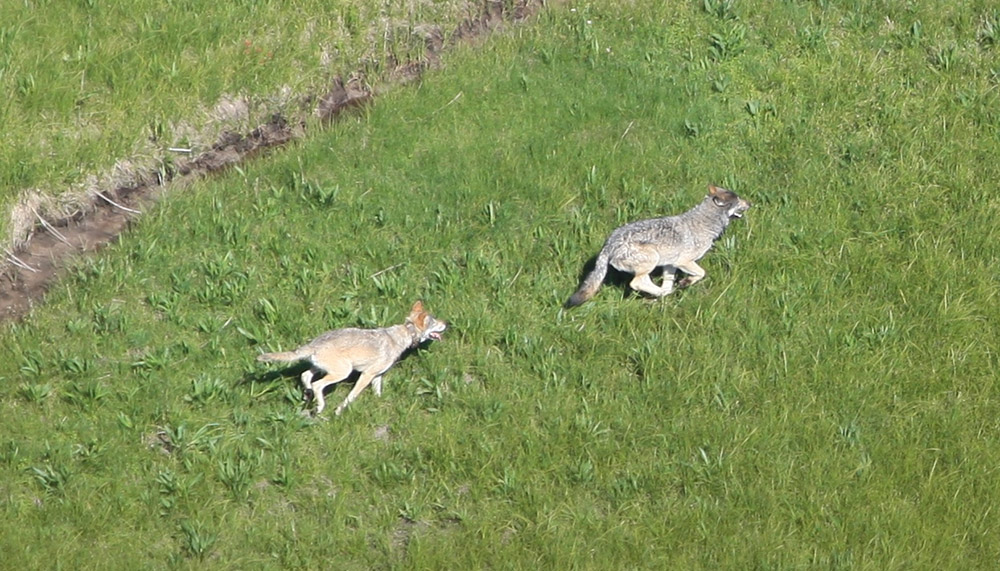
What impact do wolves have on Yellowstone National Park?
Missing for almost seven decades, wolves are back and thriving in Greater Yellowstone after a 20-year reintroduction effort.
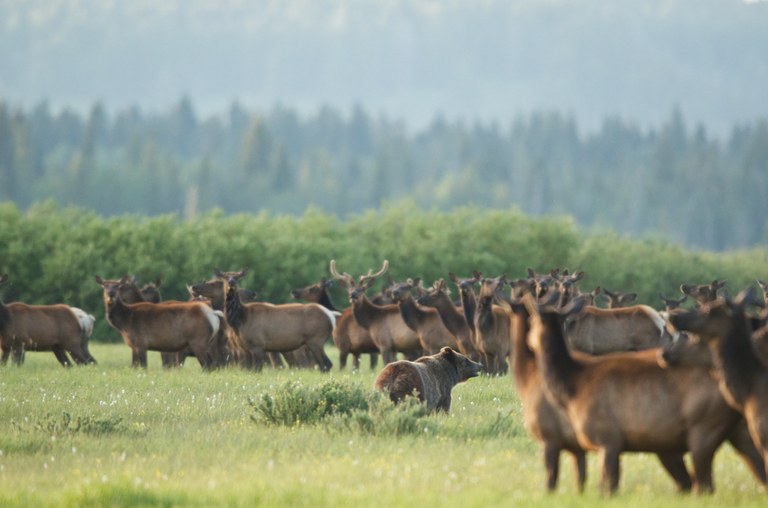
Wild Ways: Corridors of Life
Directed by filmmaker James Brundige, Wild Ways puts a spotlight on Y2Y and other conservation groups working to re-assemble a fragmented planet.
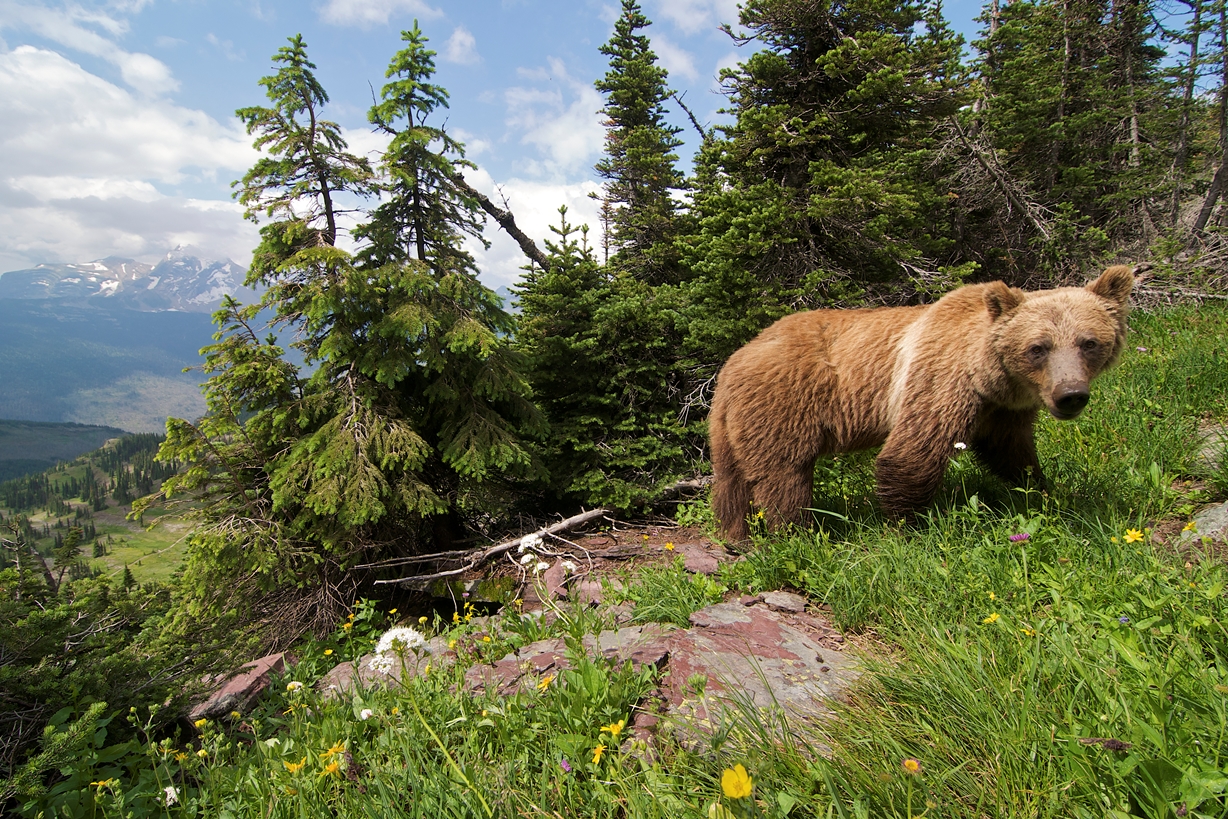
Michael Proctor: Grizzly bear aficionado
What does Michael Proctor do in his work as a grizzly bear researcher?
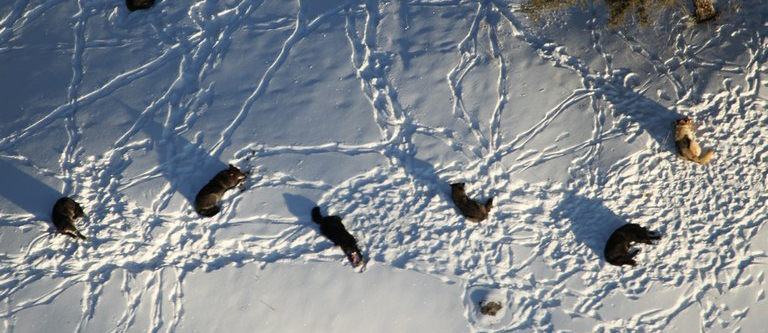
Why Yellowstone’s wolves matter
There is much we can learn from the wolves of Yellowstone National Park.
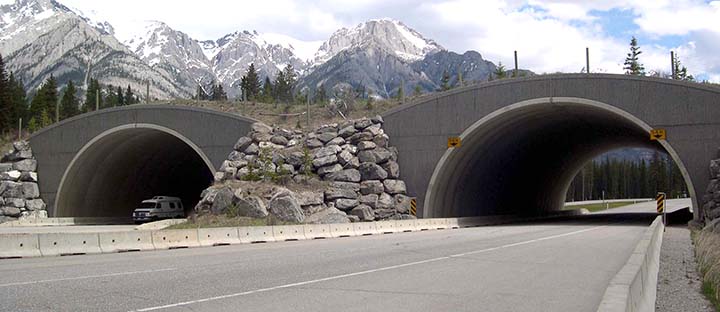
The home of wildlife crossings: Banff, Alberta
Banff National Park in Alberta, Canada is the world’s longest and most consistent effort to monitor wildlife use of highway crossing structures.