Achieving our vision across the Yellowstone to Yukon region — spanning the Yukon in Canada to Wyoming in the U.S. and at least 75 Indigenous territories — requires deep and ongoing collaboration.
Since 1993, Y2Y has partnered with more than 800 groups, including Indigenous governments, NGOs, local communities, biologists, businesses, and government agencies, to advance large-landscape conservation.
In 2025, here are just some of the impactful partnerships we were proud to be part of:
British Columbia
Wilps ‘Wii K’aax, Lax Gibuu Kali Ax Gitxsan: Wilps ‘Wii K’aax is committed to restoring, protecting, and sustainably managing their traditional Gitxsan territories, which encompass 214,193 hectares across the Sustut, Babine, and Upper Skeena watersheds.
Their project seeks to restore degraded wildlife corridors, protect critical habitat for large mammals, and strengthen Indigenous-led stewardship within the northern reaches of the Yellowstone to Yukon corridor.
Arrow Lakes Caribou Society: The Arrow Lakes Caribou Society is a Nakusp-based organization that is working towards the recovery of the Southern Mountain Central Selkirk caribou herd. They use several recovery efforts including a maternity pen, research on caribou habitat and movement patterns, habitat restoration, and community engagement to work towards their vision of collaborative decision making that supports caribou recovery and communities.
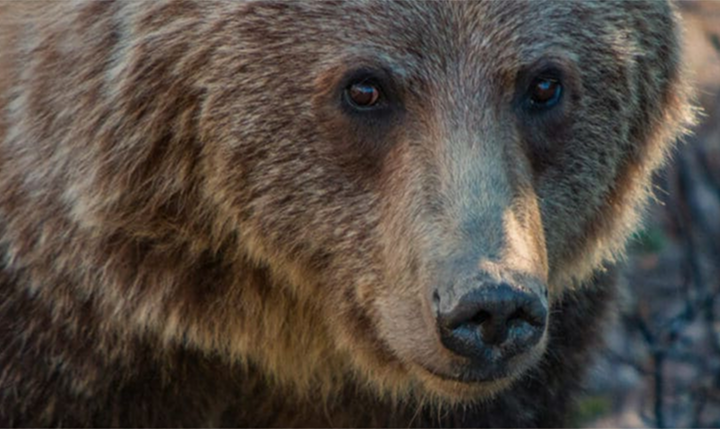
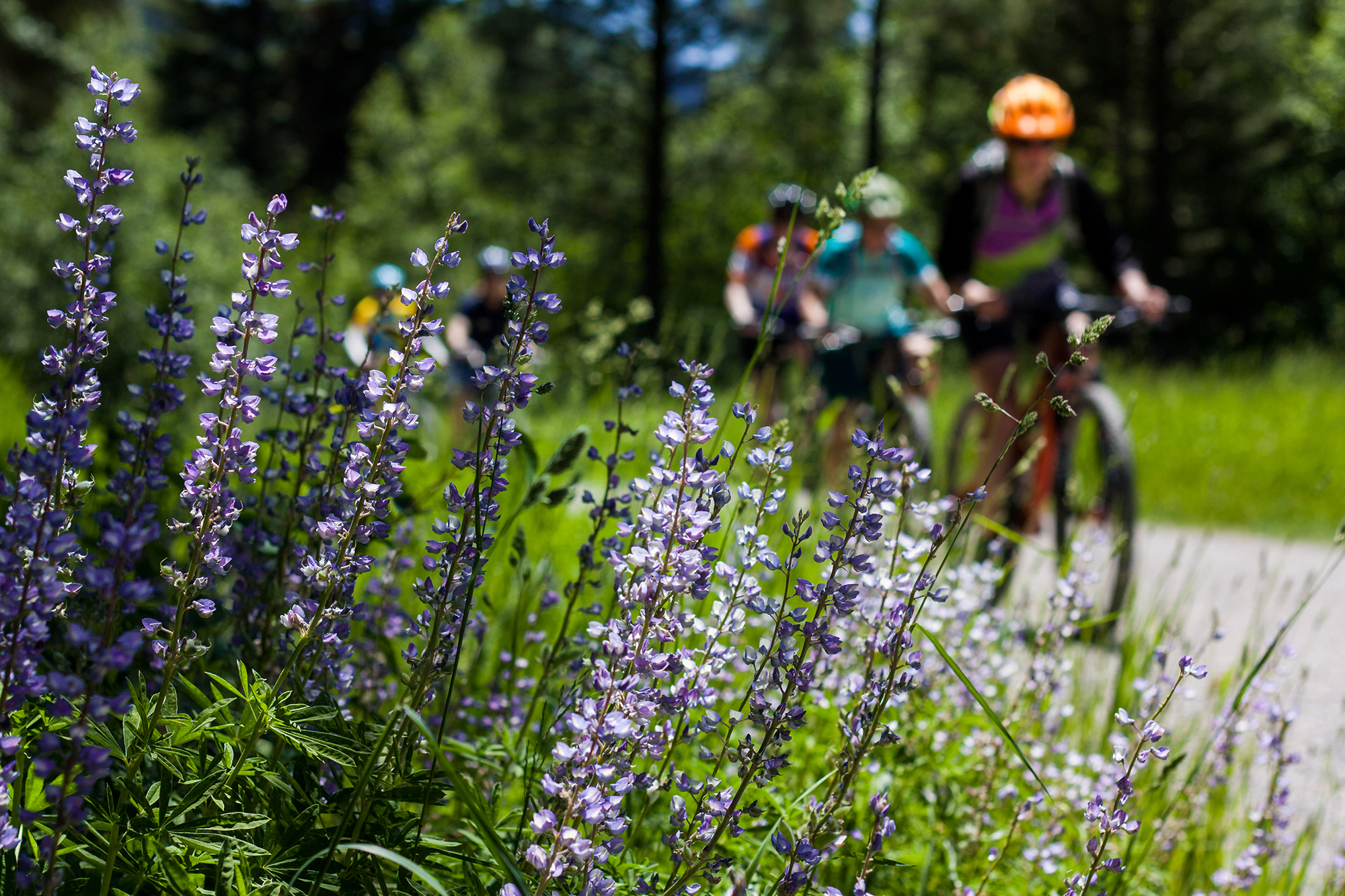
Shuswap Trail Alliance Society: The Shuswap Trail Alliance exists as a collaboration of partners working together to create purpose built, sanctioned, and sustainable trails throughout the Shuswap region. Stewardship priorities focus on protecting wildlife habitats, especially for grizzly bears, while maintaining First Nations cultural interests, promoting cultural sensitivity, reducing ecological damage, and ensuring sustainable recreational access.
Alberta
Outdoor Recreation Coalition of Alberta (ORCA): The Outdoor Recreation Coalition of Alberta is working collaboratively with outdoor recreation member organizations to better understand and advocate for improved land-use and recreation management in the South Ghost area.
Wild Moussa Photography: Wild Moussa Photography is operated by conservation wildlife photographer/videographer Abdulla Moussa. The goal of Wild Moussa Photography is to document wildlife in their natural habitats in an ethical manner that minimizes disturbances to educate and spread awareness.
United States
Glacier Two-Medicine Alliance: Glacier Two-Medicine Alliance’s Central Crown Connectivity Initiative seeks to restore wildlife connectivity and improve motorist safety across an approximately 72-mile stretch of highway and railway that separates key ecosystems in the United States. These areas comprise the heart of the Crown of the Continent ecosystem, one of the largest, most intact ecosystems in the United States.
Henry’s Fork Wildlife Alliance: Henry’s Fork Wildlife Alliance is located within the Yellowstone Grizzly Recovery Zone. This project seeks to reduce conflict and promote coexistence between humans and bears. They have brought the community together around an appreciation of the bears whose habitat they share, and a desire to learn how to live safely with both grizzlies and black bears.
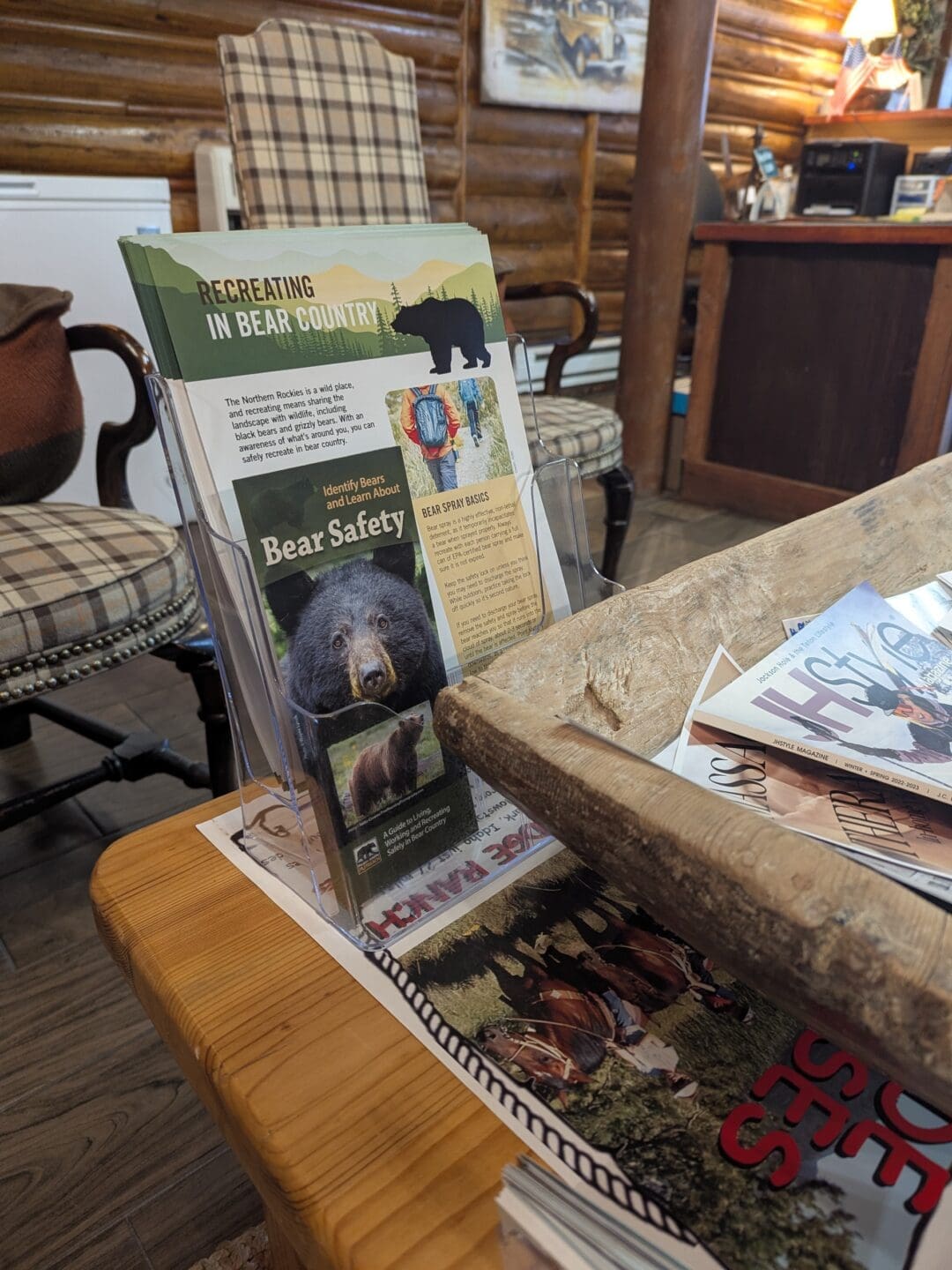
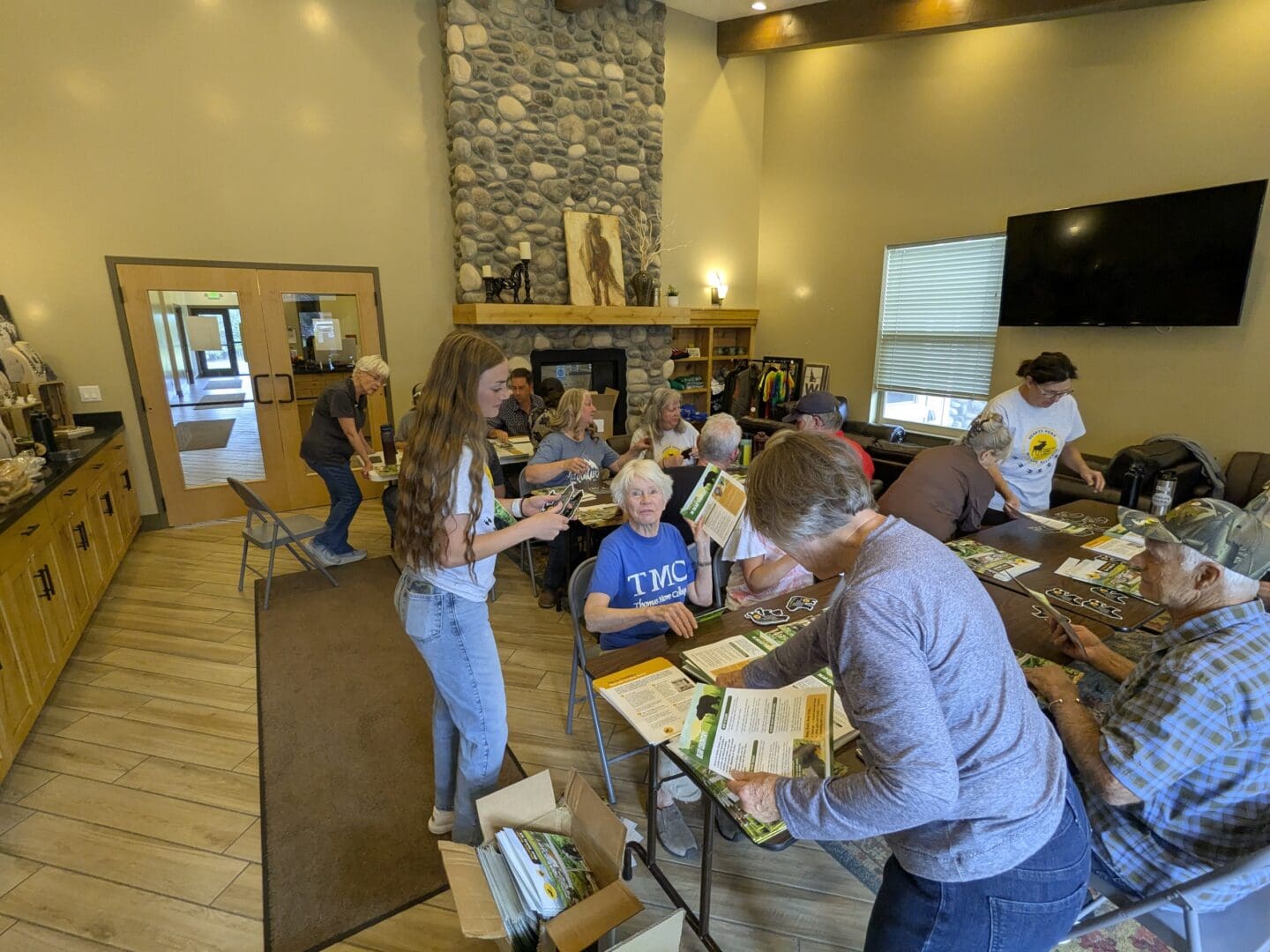
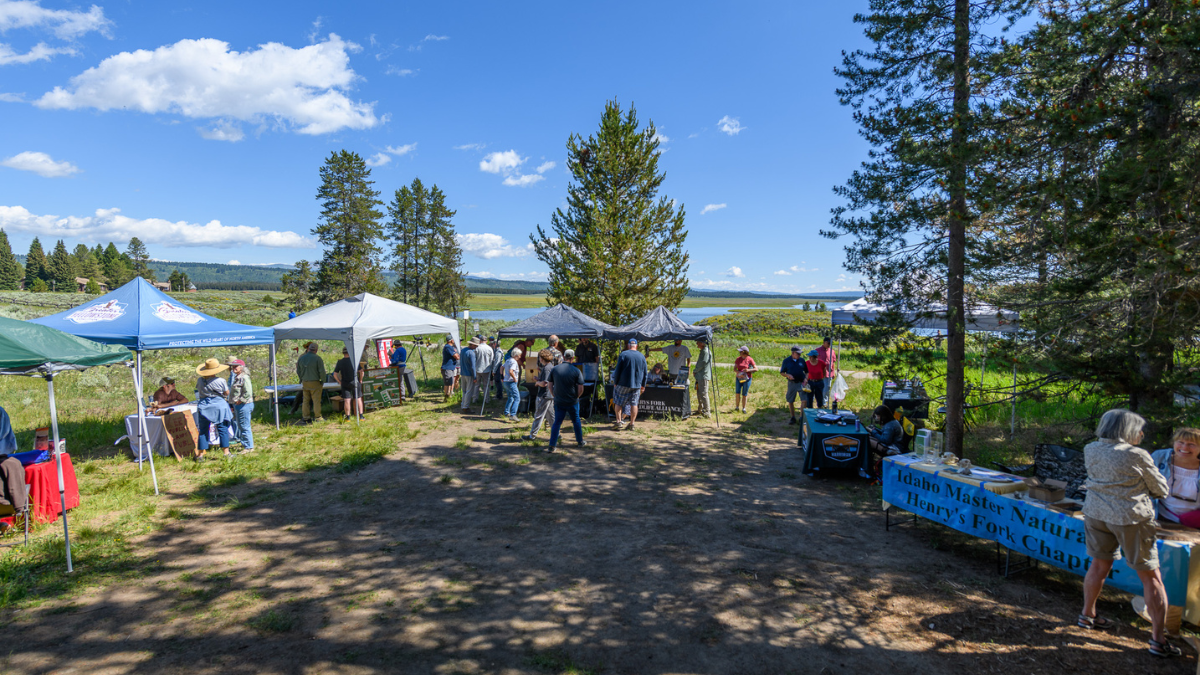
Henry’s Fork Wildlife Alliance shared their bear-education outreach with an estimated 150,000 people last summer. Credit Alison Brown.
Tom Miner Basin Association: The Tom Miner Basin Association is a small group of neighboring ranchers that first came together in 2015 in effort to be more collaborative, creative and strategic in advancing common goals around minimizing conflicts with large carnivores and improving ranch and landscape resilience in times of great change. Over the years, the work of the Association has spread to the larger community.
Yaak Valley Forest Council: The Yaak Valley is a top conservation priority for its public lands, spectacular biodiversity, unique relationships between species, and central location within the Y2Y corridor. The Yaak Valley Forest Council is working protect the wild northern Yaak as the nation’s first Climate Refuge. They are also continuing their long-standing efforts to recover the Yaak’s population of grizzly bears by protecting critical habitats and working in the community to promote human-wildlife coexistence.
Great Burn Conservation Alliance: The Great Burn ecosystem is a key landscape for long term grizzly bear recovery efforts in the southern part of the Y2Y region, and also serves as a haven for other large mammals like elk, mule deer, moose, and mountain goats. The Great Burn Conservation Alliance is working to foster the connection between people and place to further conservation and stewardship in this important area.
Kaniksu Land Trust: In 2025, The Kaniksu Land Trust helped protect a property in Bonner County, Idaho, which included a carefully tended upland forest, extensive wetland, and a cultivated hayfield, each of which provide rich wildlife benefits. This 120-acres of forest has been owned and managed by the same family since 1862, and the family is committed to collaborating to help restore, steward, and conserve their multi-generational legacy.
Ruby Habitat Foundation: For nearly 15 years, the Wildlife Speaker events at the Ruby Habitat Foundation have educated and entertained the community. The Foundation’s goal is to help people, especially newcomers, learn about local wildlife and how to live alongside them. In 2025, they hosted an engaging event about living with beavers.
Wallowa Land Trust: Wallowa Land Trust protects the rural nature of Wallowa County by working cooperatively with private landowners, Indigenous people, local communities, and governmental agencies to conserve land. They use voluntary, non-regulatory tools to protect the places the community loves in their corner of NE Oregon—natural areas, wildlife habitat, open spaces, and working lands. Their annual Wallowa Gathering welcomes a large group of Indigenous people from throughout the Pacific Northwest to gather First Foods and traditional medicines on privately-owned lands, a sacred act of stewardship that rekindles the deep reciprocal connections between people and place.
Looking ahead
These projects give an inspiring look at some of the impactful conservation work happening across the Yellowstone to Yukon region.
By fostering collaboration among diverse partners — Indigenous groups, NGOs, scientists, and local communities — we continue to protect and connect landscapes vital for people and wildlife.
Thank you for being a part of this journey. Together, we are making a difference.
Related stories
One big tent: Y2Y’s 2025 impact report is here
Discover the difference you made in 2024 in Y2Y’s latest impact report.
From collaboration and science to enduring conservation
Y2Y works to advance conservation by partnering with diverse communities to connect and protect this vast, ever-changing mountain region. To guide our conservation efforts, we draw from the best available information, including from natural and social sciences as well as local and Indigenous knowledge.
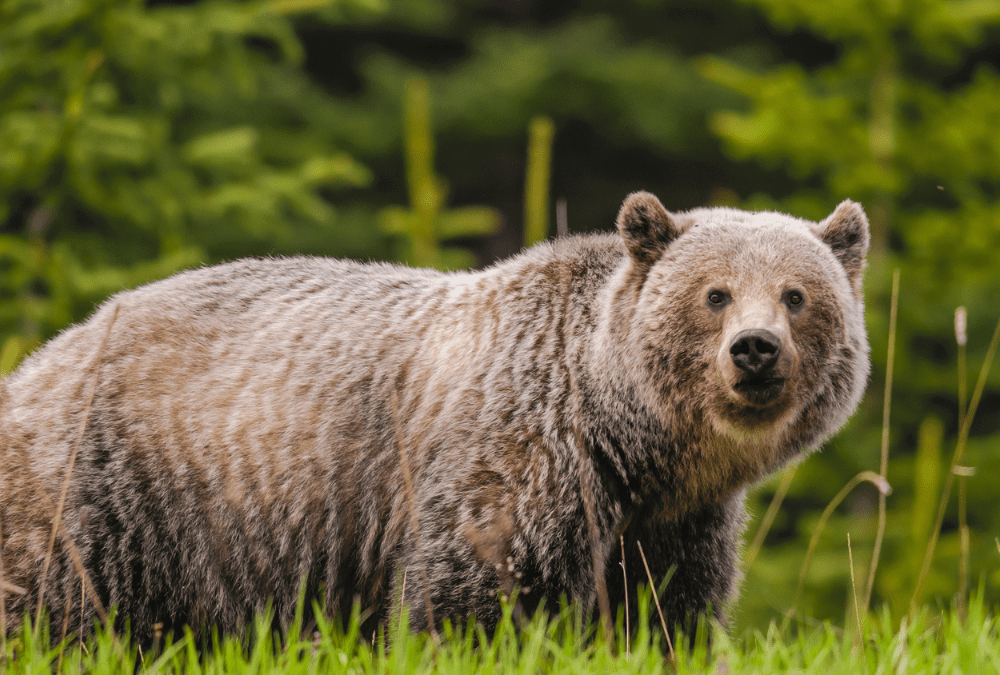
Good neighbors: Living with bears
The biodiversity in the Creston Valley, B.C., is unique and thanks to local conservation efforts, still includes grizzly bears. This has created an opportunity for the community to create solutions for how wildlife and people can live alongside each other.
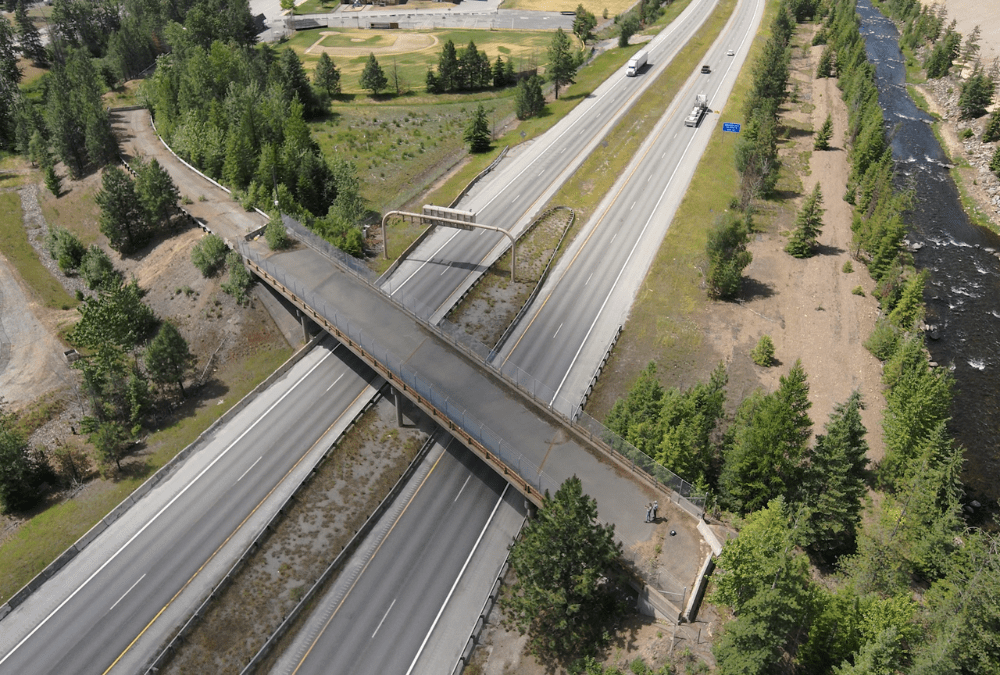
Reconnecting fragmented landscapes
Thanks to your support, Y2Y’s landscape connection team can continue their important work identifying and restoring critical corridors across some of the region’s busiest roads and most important habitat connections.
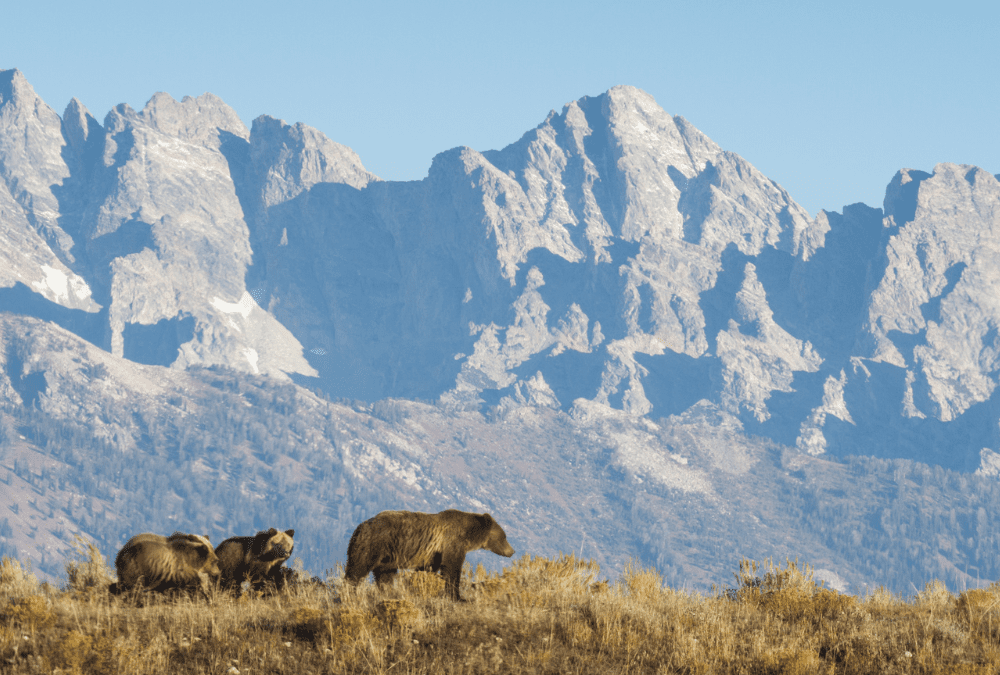
Helping grizzly bears find their way home
When Y2Y began in 1993, grizzly bear populations in the Yellowstone region had become separated by over 240 kilometers (150 miles) from bears in the Glacier National Park region of Montana and into Canada. Today, the gap between grizzly bear populations in the southern Rockies has shrunk to just 72 kilometers (45 miles).
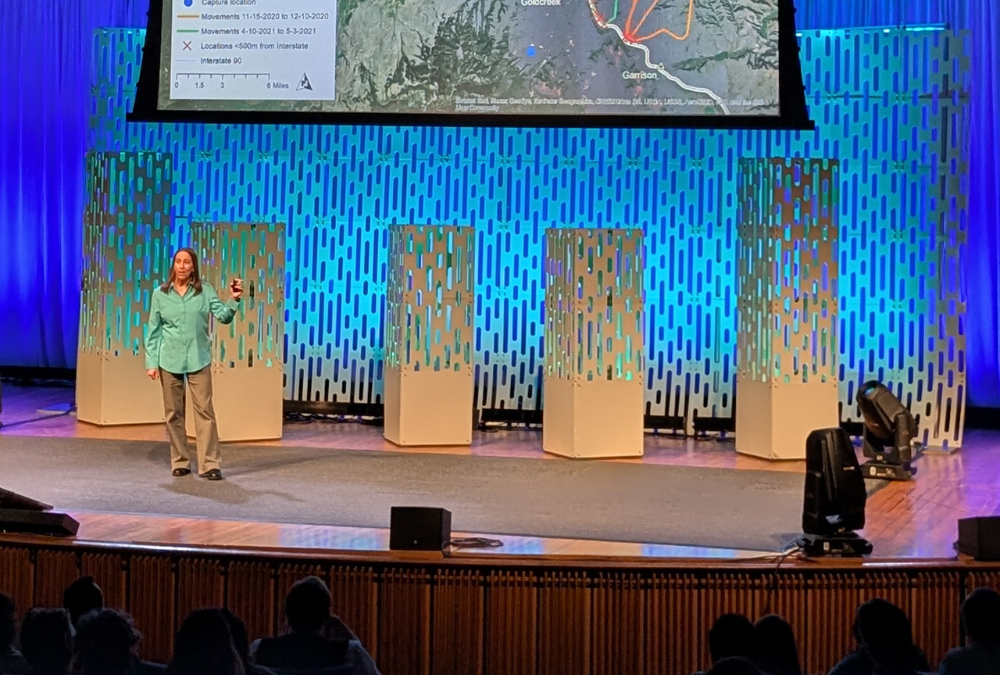
Room for everyone: Reflections on 2025 from Y2Y President and Chief Scientist, Dr. Jodi Hilty
When I think about what we’ve accomplished together this year, I’m reminded that the most powerful force in conservation isn’t any single policy, paper, or protected area — it’s people coming together around what they love.