What do you imagine when you think about the Yellowstone to Yukon region?
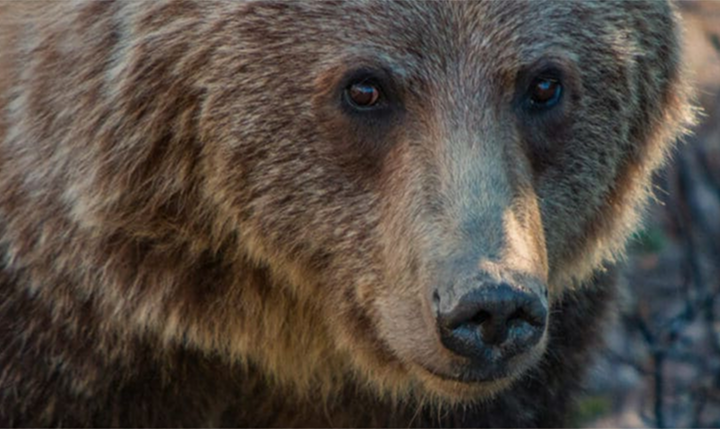
Do you think of towering mountains rising into the sky, their snow-covered peaks obscured by clouds? Or perhaps you’re picturing one of the region’s dazzling glaciers, where ancient ice and snow flow downstream to provide clean water for millions. Can you hear the musical notes of songbirds singing from a forest canopy, spot a flash of glittering scales in a river, or feel a moment of wonder as a tiny pair of curious eyes peek out at you from a burrow? For many, this vast, incredible mountain region wouldn’t be the same without the diverse wildlife that call this place home. Amongst all these incredible species, one animal stands out for their size, charm, and the important role they play in the ecosystem: the grizzly bear.
Achieving what was once considered an impossible goal
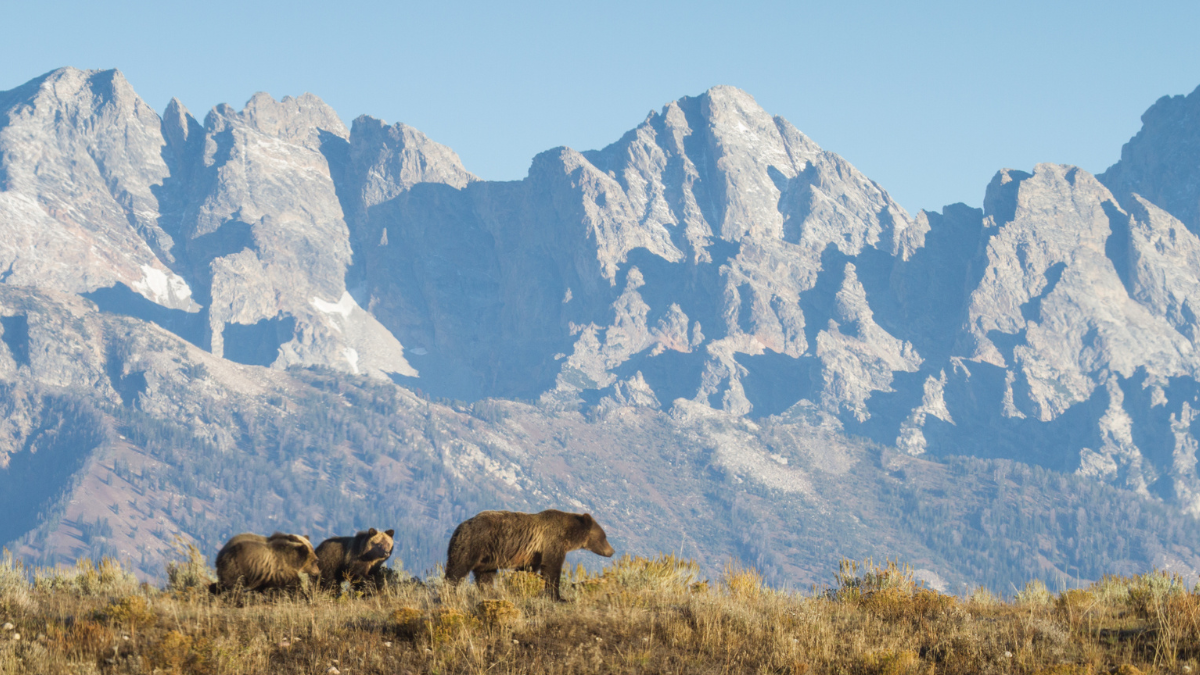
When Y2Y began in 1993, grizzly bear populations in the Yellowstone region had become separated by over 240 kilometers (150 miles) from bears in the Glacier National Park region of Montana and into Canada. Human development prevented bears from safely migrating and mating, which kept populations small, isolated, and vulnerable to genetic weakening. Put simply, grizzly bears were in trouble.
Today, the gap between grizzly bear populations in the southern Rockies has shrunk to just 72 kilometers (45 miles). This extraordinary recovery is the result of strategic land conservation and wildlife crossing efforts, achieved in partnership with dozens of government agencies, Indigenous Nations, NGOs, and local communities. In 2025, Y2Y brought together leading bear biologists to analyze the latest movement data and modeling results.
Together, we refined our priority private land linkages and wildlife crossing sites to focus on the final stretches of habitat needed to fully reconnect these populations.
What was once considered impossible — the natural reconnection of the Yellowstone and Northern Continental Divide grizzly populations — is now within sight. This work demonstrates the impact we can have in opening up pathways for grizzlies and many other species when we work together to achieve our conservation goals.
Bringing people together for wildlife
2025 was a year of collaboration for Y2Y. In this impact report, we celebrate the completion of vital wildlife crossings in the U.S. and in Canada, new protections for roughly 10 million hectares (25 million acres) of land throughout the Yellowstone to Yukon region, a community-led project that is helping people coexist safely with their grizzly bear neighbors, and our work to bring people and knowledge together to build strong conservation strategies for the years ahead. This work is possible because of our partnerships and supporters, and we’re looking forward to continuing to build a future where both humans and wildlife can thrive, together.
Read more
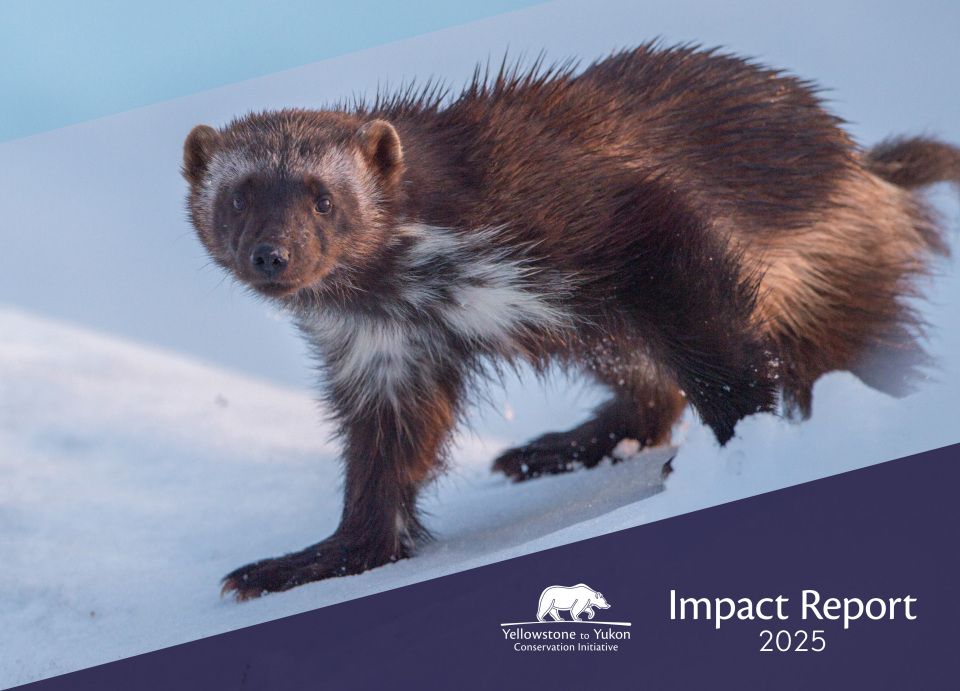
One big tent: Y2Y’s 2025 impact report is here
Discover the difference you made in 2024 in Y2Y’s latest impact report.
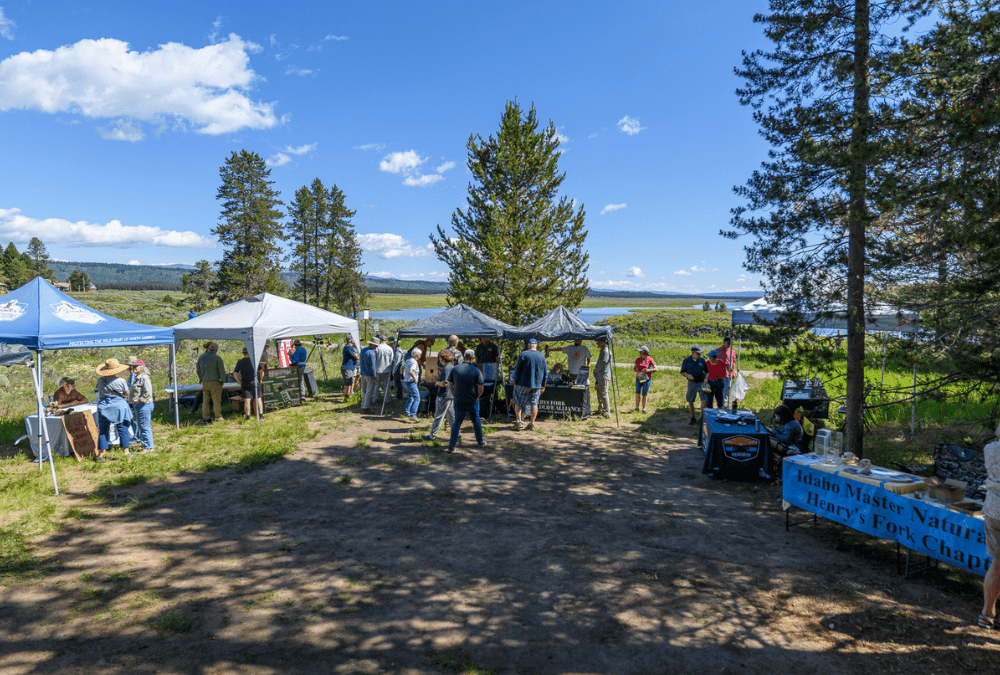
Conservation through collaboration
Achieving our vision across the Yellowstone to Yukon region — spanning the Yukon in Canada to Wyoming in the U.S. and at least 75 Indigenous territories — requires deep and ongoing collaboration. Here are just some of the impactful partnerships we are proud to be a part of in 2025.
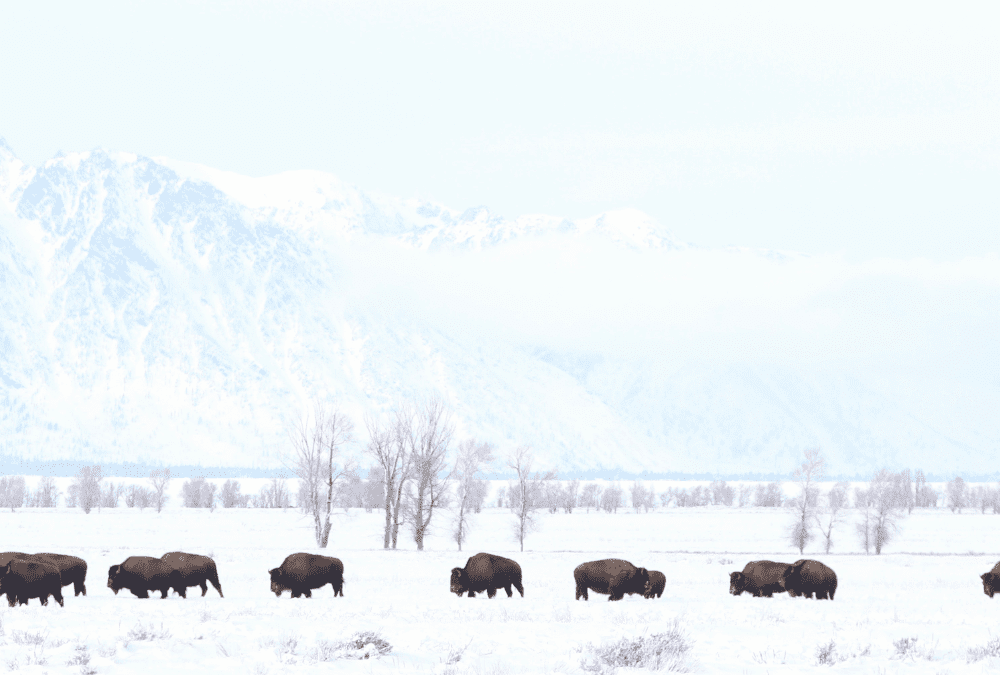
From collaboration and science to enduring conservation
Y2Y works to advance conservation by partnering with diverse communities to connect and protect this vast, ever-changing mountain region. To guide our conservation efforts, we draw from the best available information, including from natural and social sciences as well as local and Indigenous knowledge.
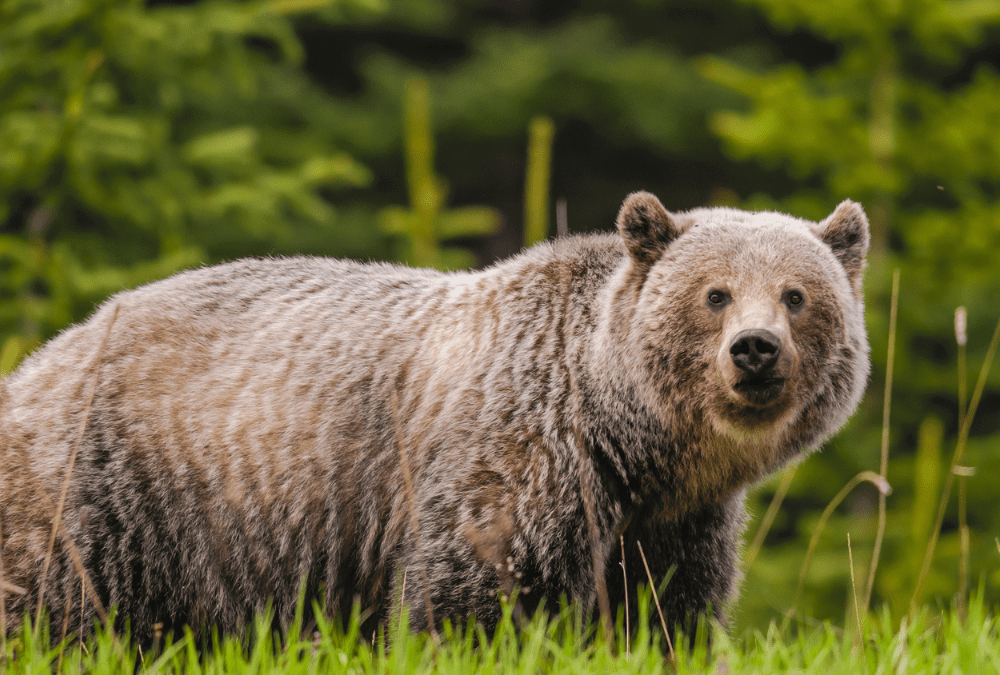
Good neighbors: Living with bears
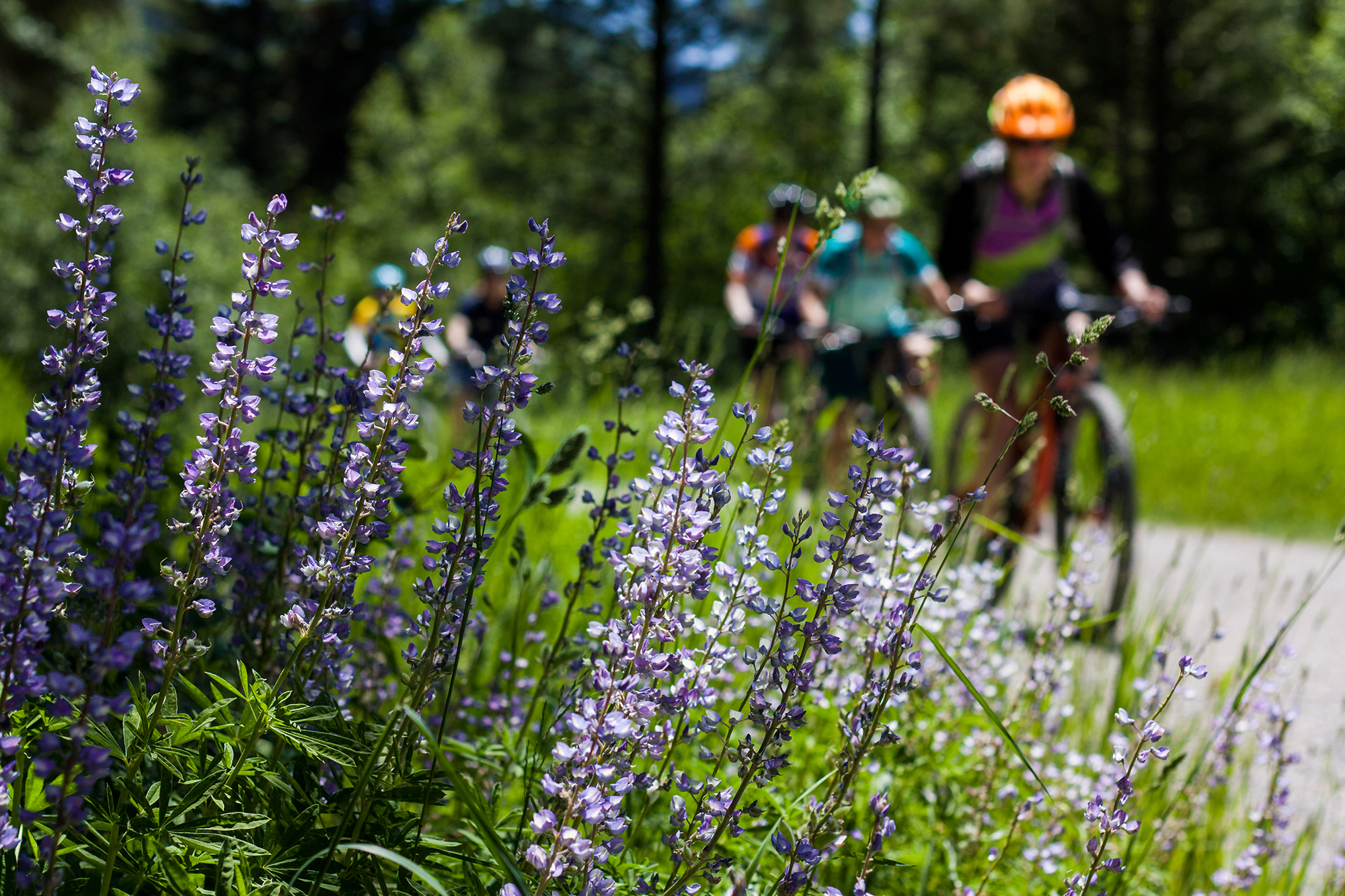
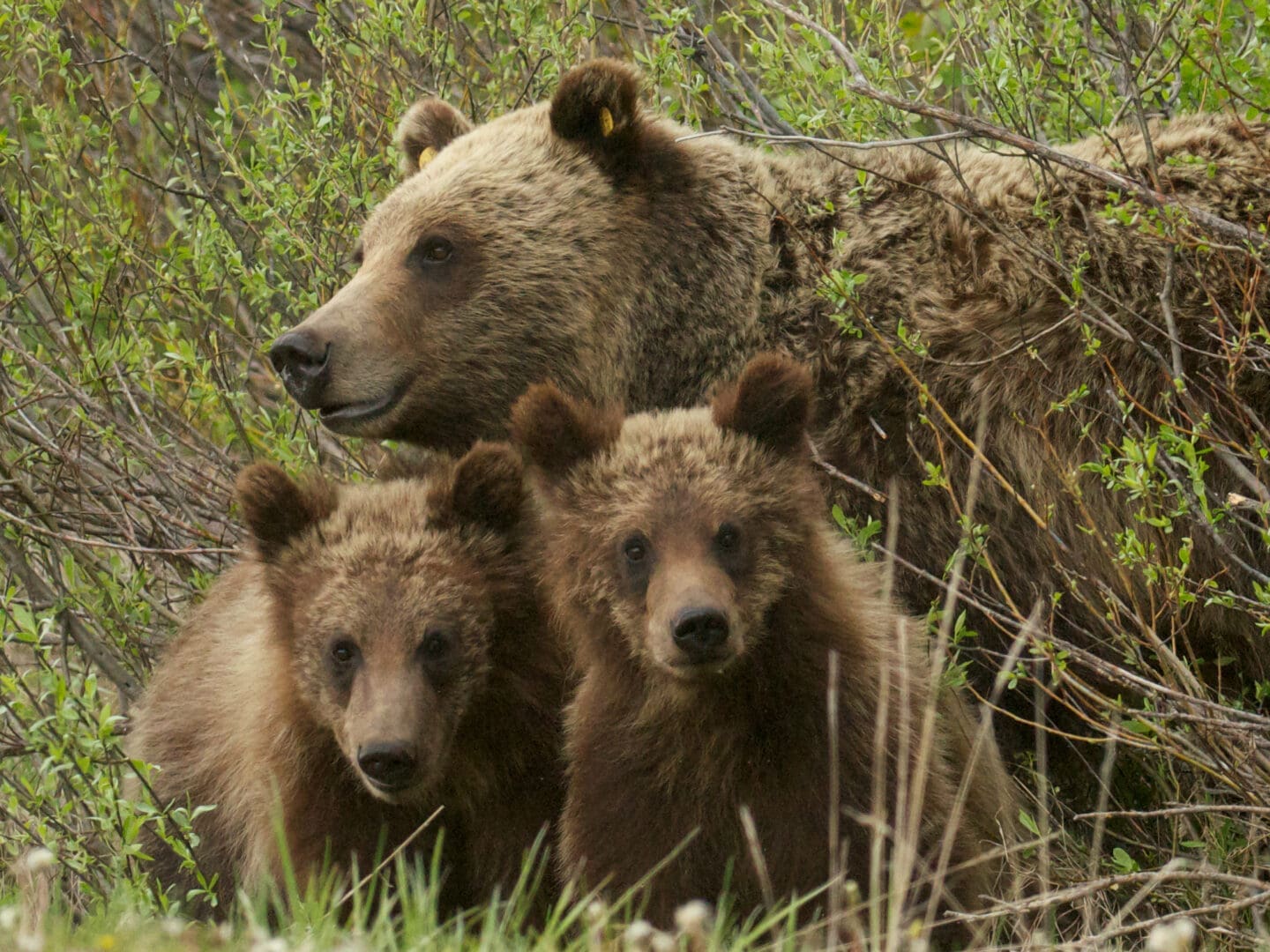
The biodiversity in the Creston Valley, B.C., is unique and thanks to local conservation efforts, still includes grizzly bears. This has created an opportunity for the community to create solutions for how wildlife and people can live alongside each other.
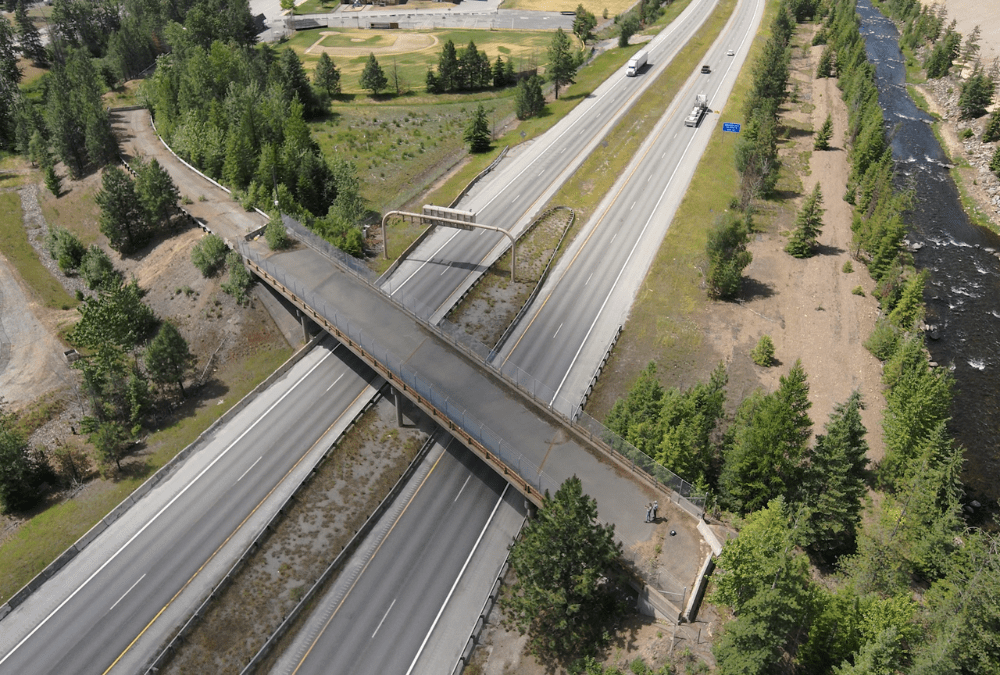
Reconnecting fragmented landscapes
Thanks to your support, Y2Y’s landscape connection team can continue their important work identifying and restoring critical corridors across some of the region’s busiest roads and most important habitat connections.
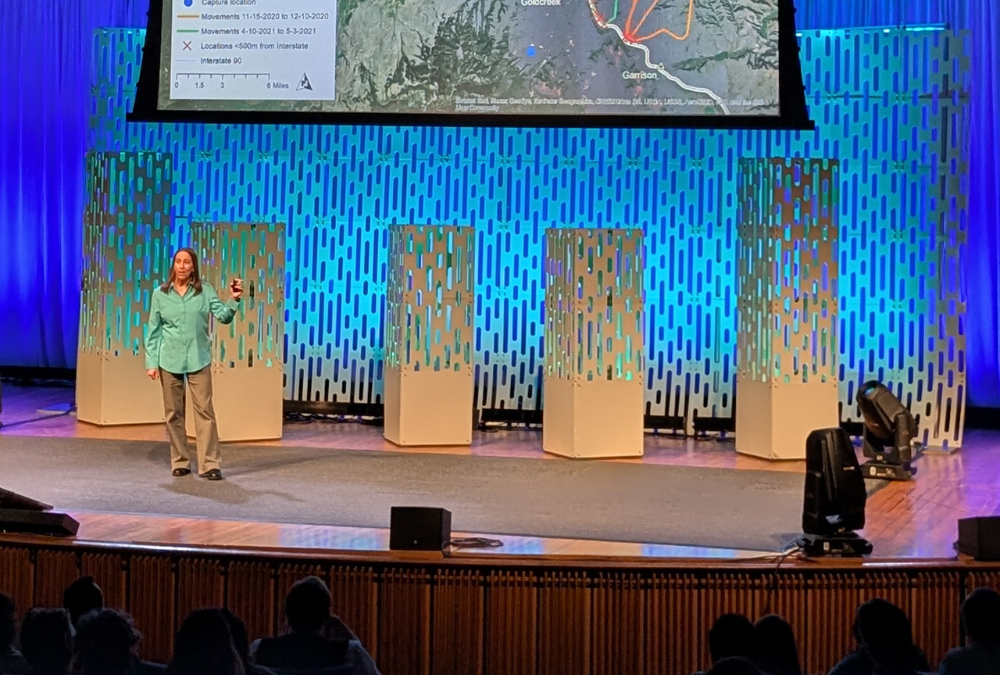
Room for everyone: Reflections on 2025 from Y2Y President and Chief Scientist, Dr. Jodi Hilty
When I think about what we’ve accomplished together this year, I’m reminded that the most powerful force in conservation isn’t any single policy, paper, or protected area — it’s people coming together around what they love.