Insight from four years of collaborative recreation ecology research
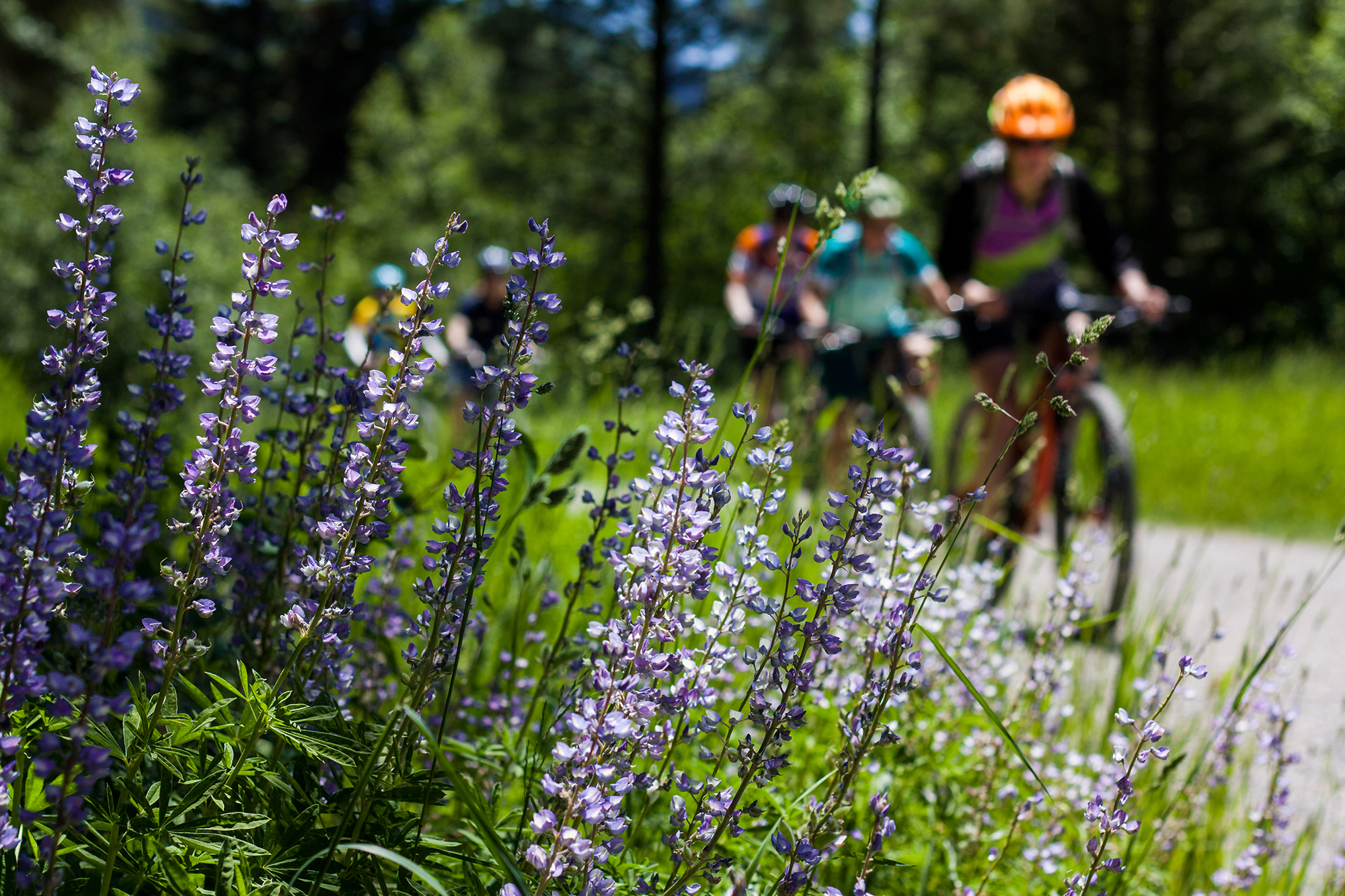
In recent years, there has been explosive growth in outdoor recreation, especially in parts of the Yellowstone to Yukon region.
While recreation can bring many positive benefits for people and communities, this pressure can also unintentionally impact sensitive species, increase tension across different user groups, and affect the quality of outdoor experiences.
As outdoor recreation grows in popularity, innovative approaches for monitoring and managing recreation are needed to help people enjoy nature while protecting the landscapes and wildlife we care about.
A lack of current, accurate, and detailed information of where, when, how and how many people are recreating remains a key challenge facing land-use and recreation managers. Collaborative research that began in 2019 with Y2Y and the University of Northern British Columbia (UNBC) and others aimed to fill these critical gaps.
The goal of this project was to support improved management and planning of outdoor recreation and reduce impacts to sensitive species across southeast B.C. and southwest Alberta.
This ongoing research delivers crucial insights, helping managers and communities stay ahead of recreation growth while sharing space with wildlife.
Learn more about how to be wildlife wise with these resources.
Innovative recreation research
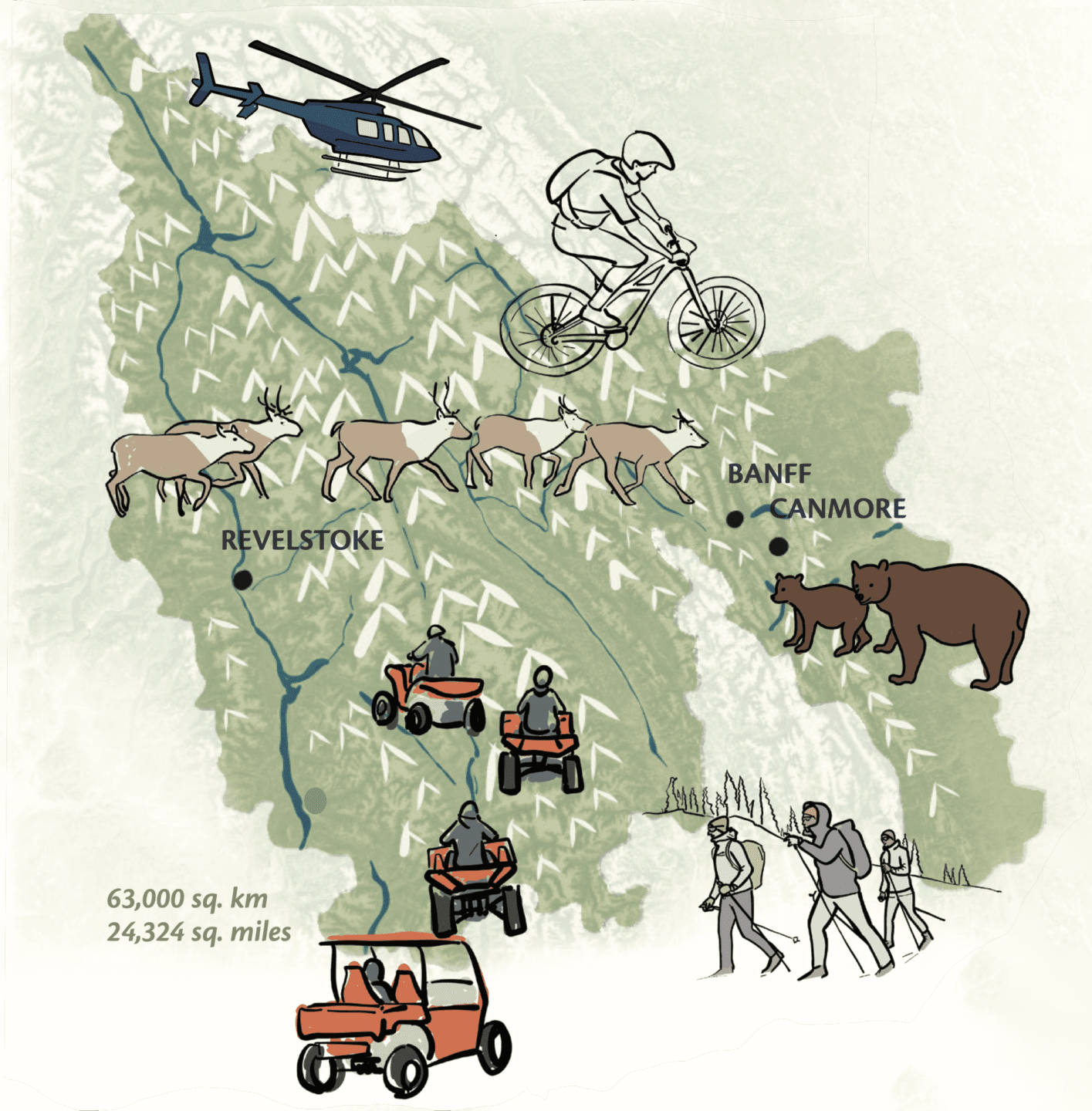
This research combines traditional and innovative technologies to understand the overlap of recreation and sensitive wildlife habitats.
Y2Y collaborated with communities and partners to combine recreation and wildlife data to:
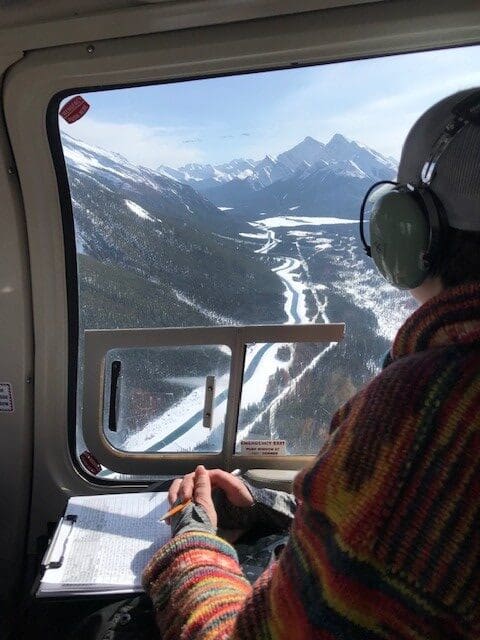
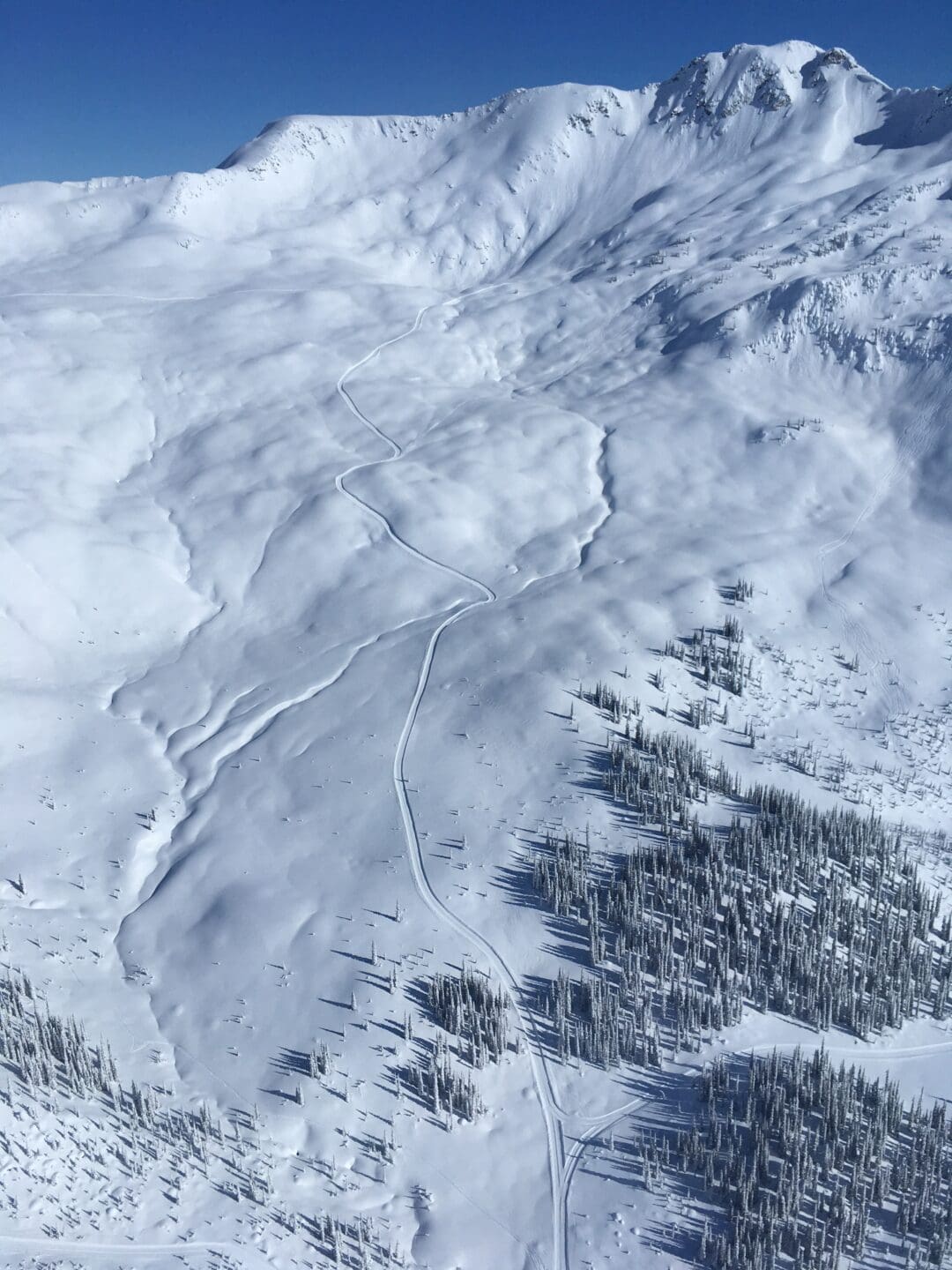
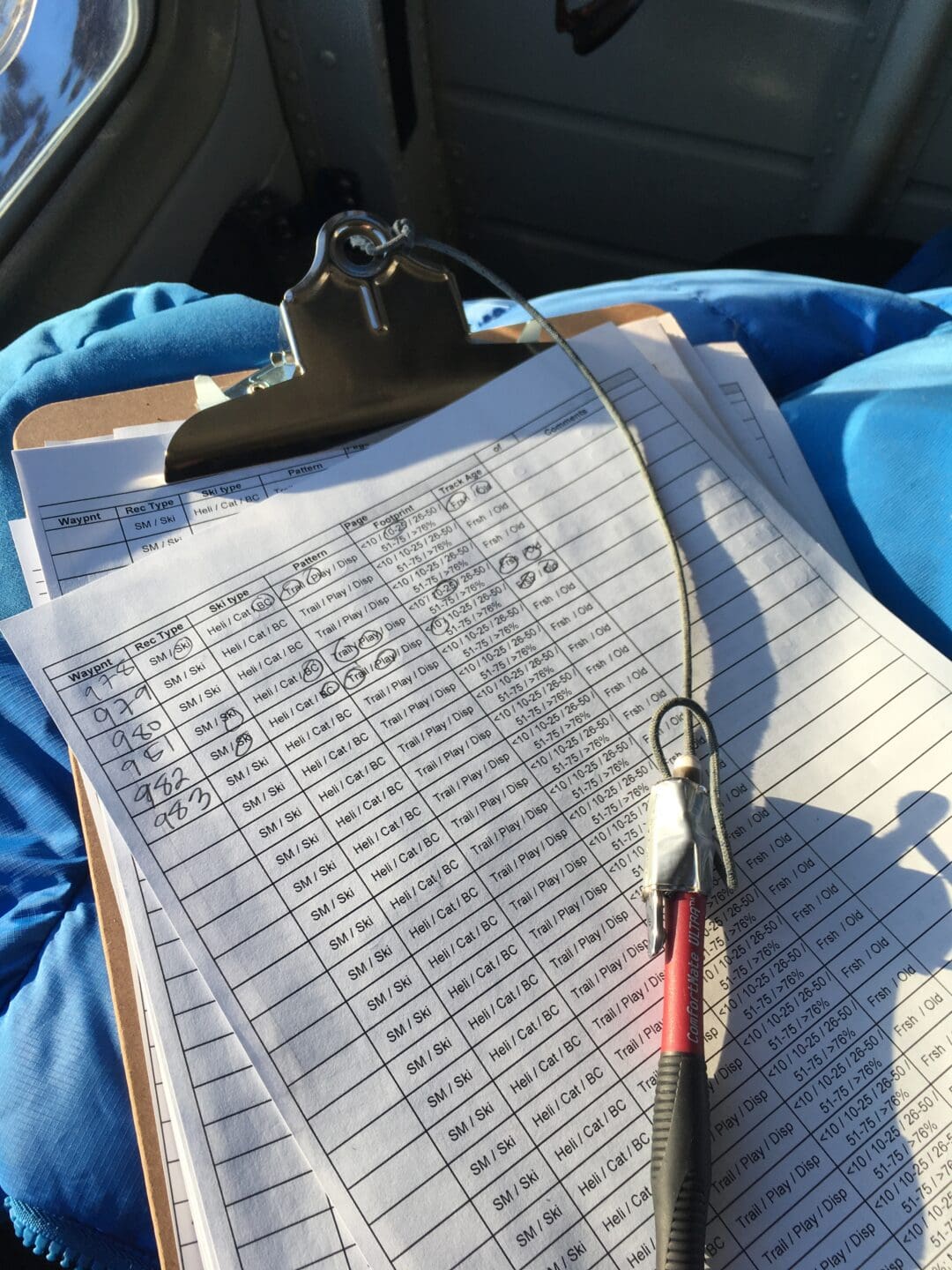
- Map the recreation footprint, including motorized and non-motorized activities, for documented and undocumented trails
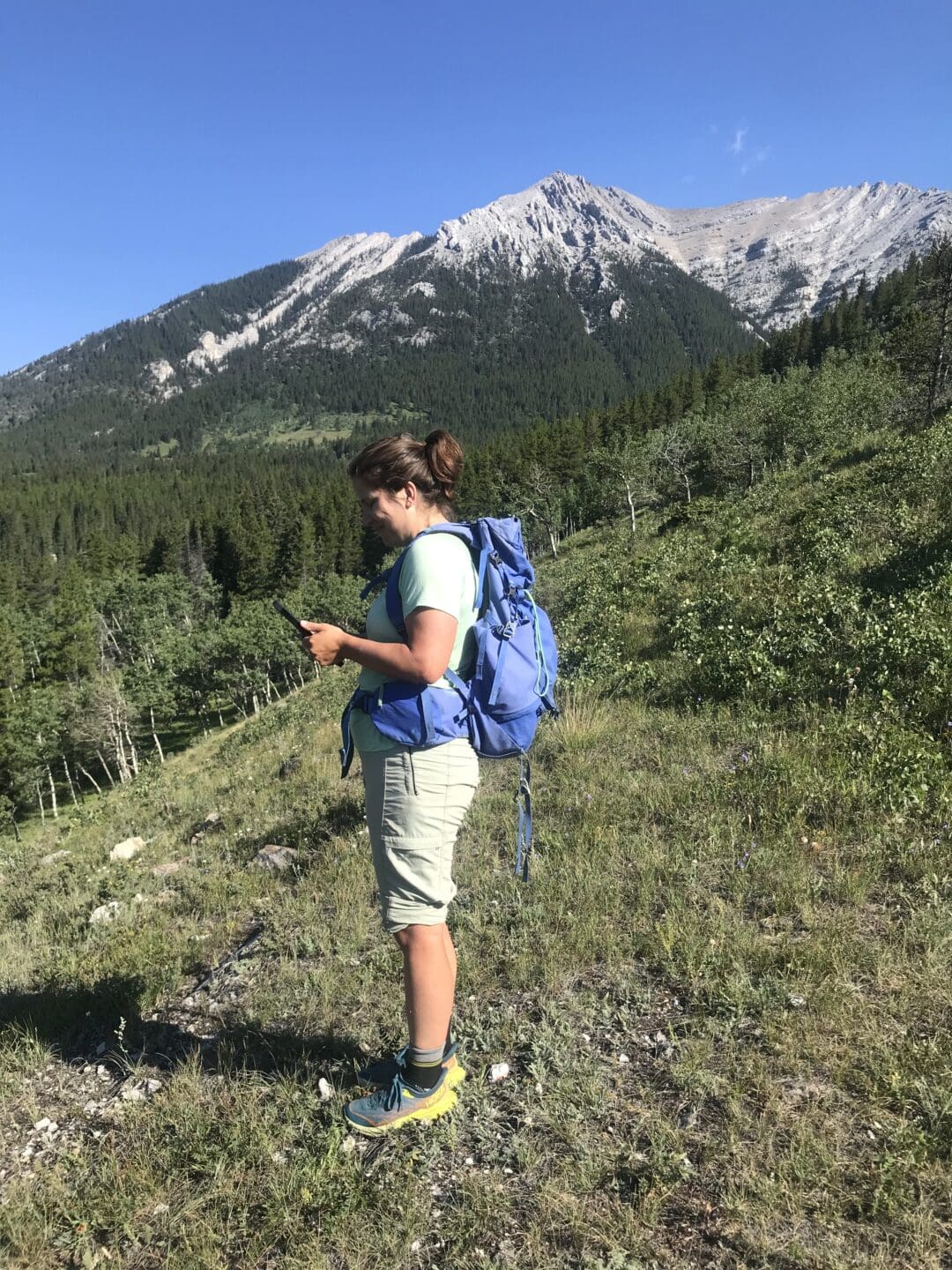
- Compare data from traditional and innovative user-generated technologies from recreation apps for monitoring recreation and providing guidance for managers and researchers.
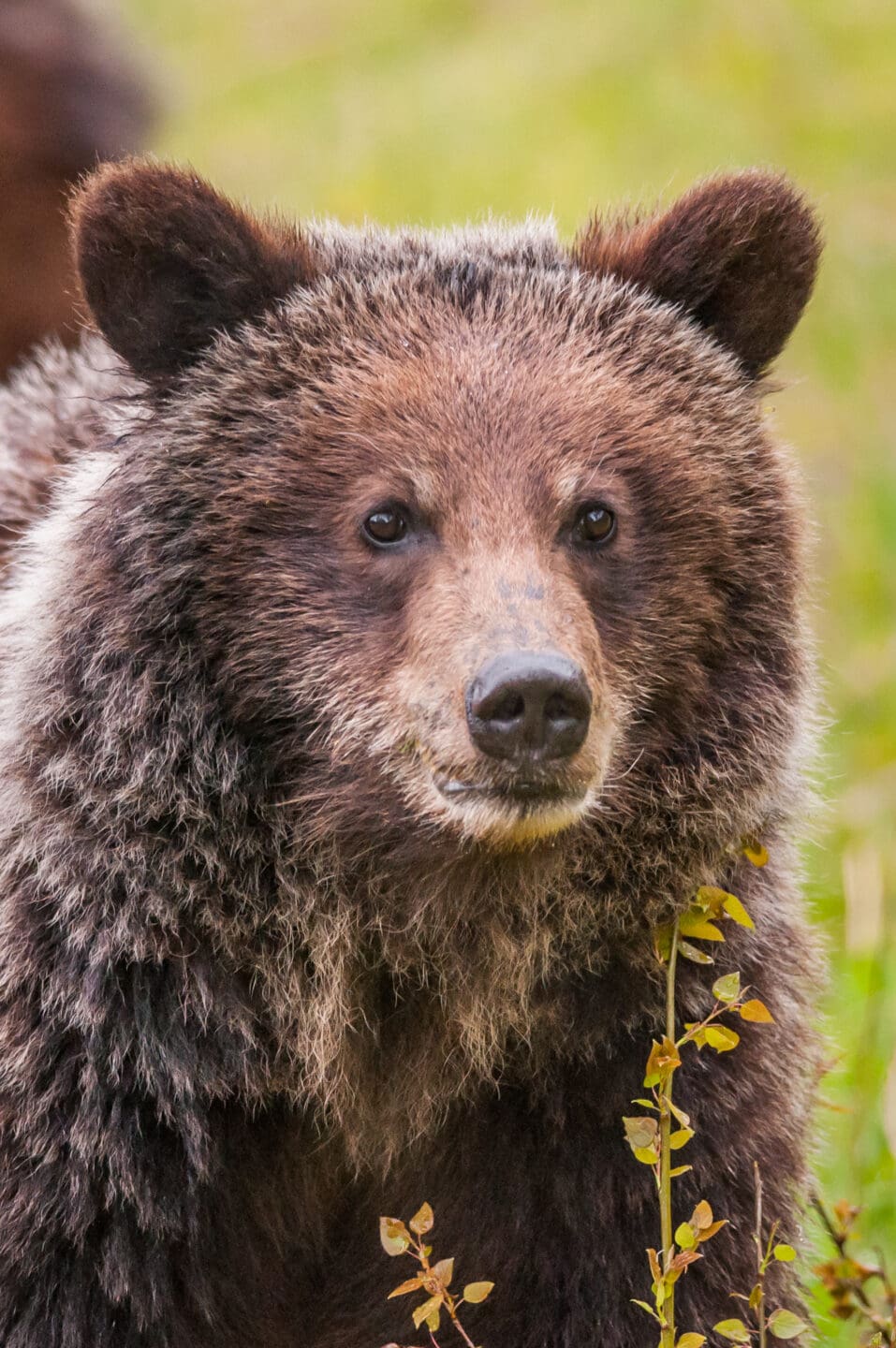
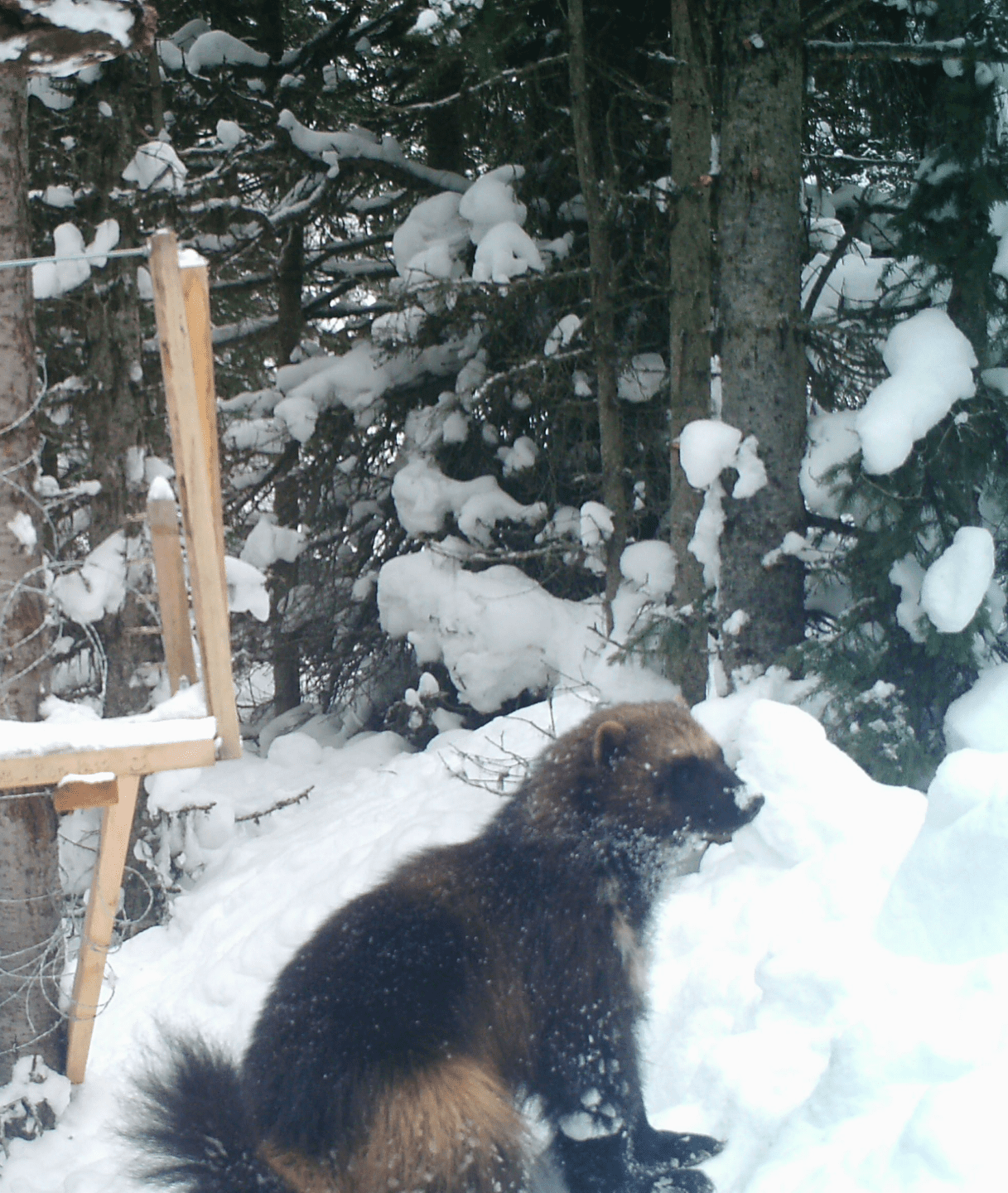
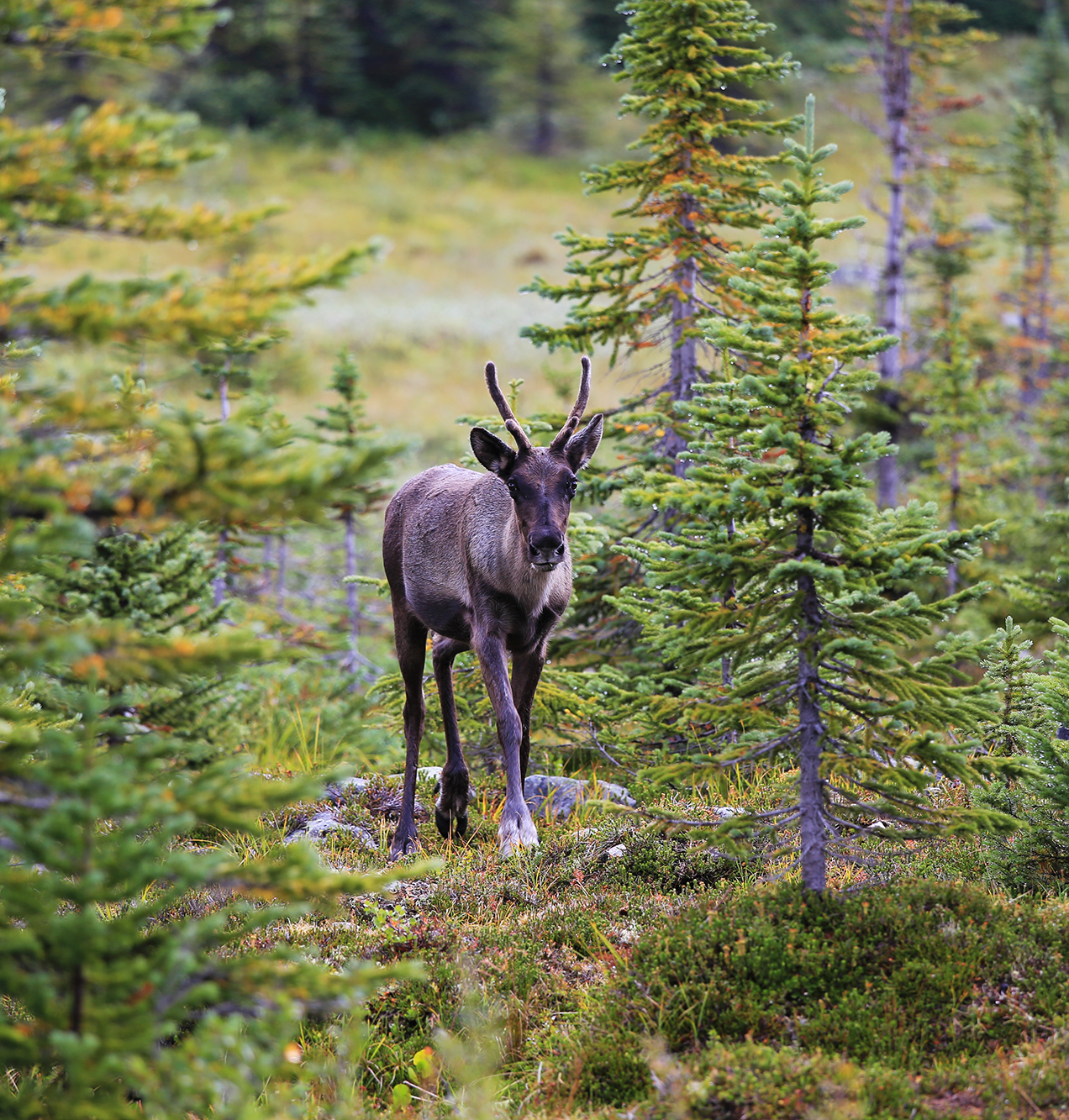
- Map seasonal motorized and non-motorized recreation intensity alongside wildlife habitat quality for grizzly bears, southern mountain caribou, and wolverines, and to identify areas where recreation overlaps with high-quality habitat.
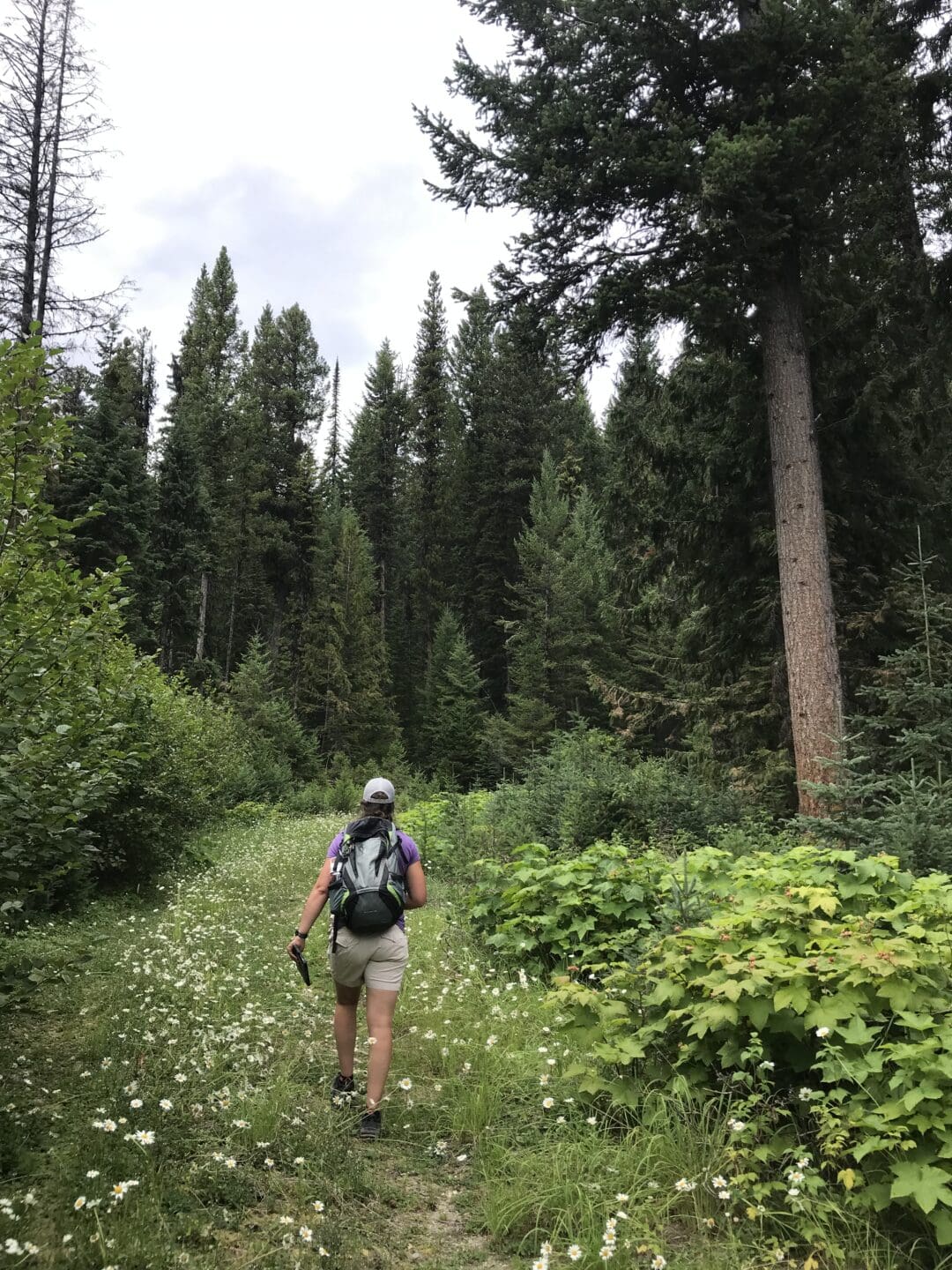
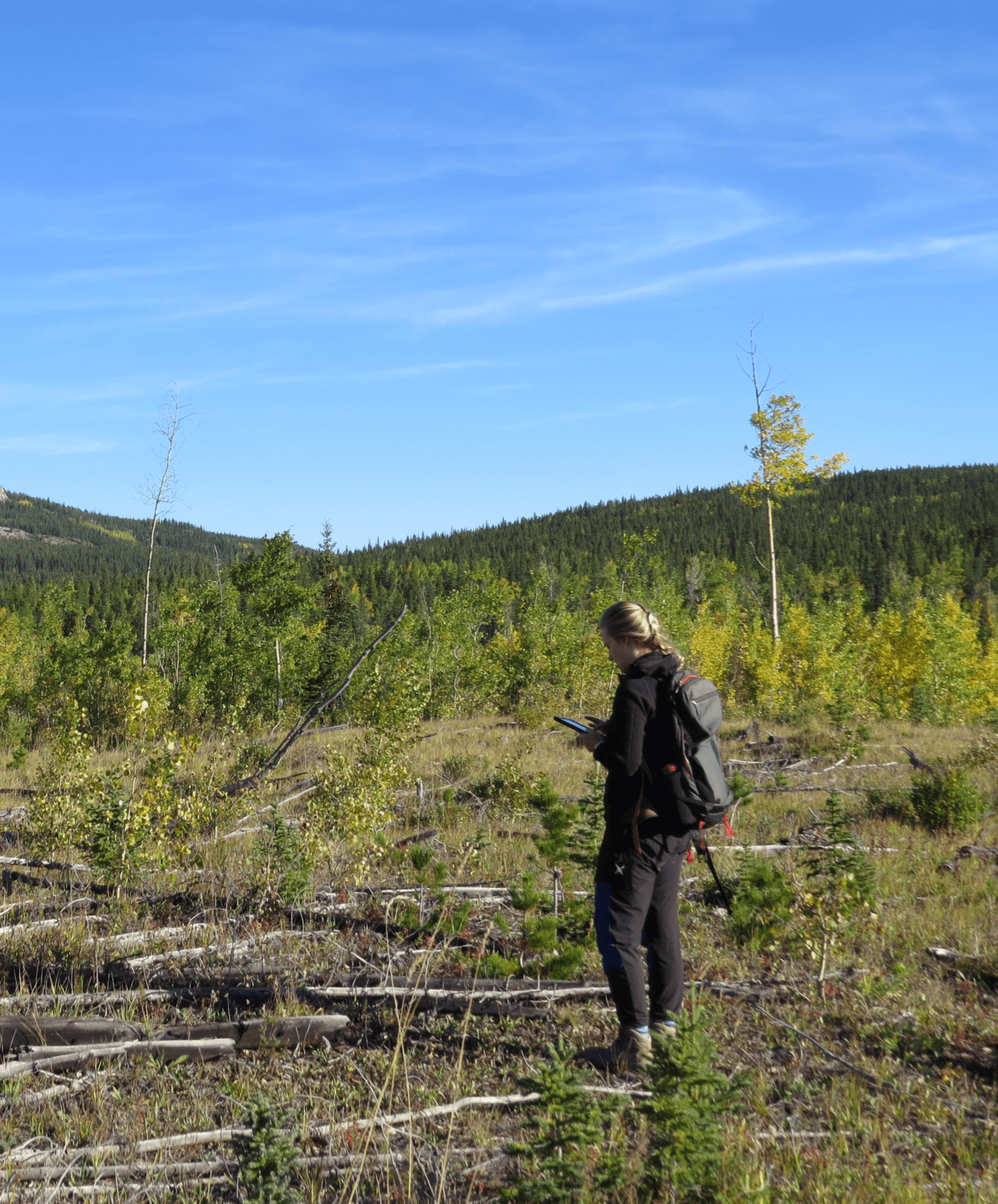
Top takeaways from the research
1. To reduce the impacts of recreation on wildlife, we must first understand what activities are happening.
We mapped approximately 54,000 kilometers (33,500 miles) of trails and linear features and found a large gap in this data. 27 percent of all the mapped trails were undocumented, with most trails lacking information on activity types. Learn more about these findings in this scientific paper and mapping report.
This information is important because planning and management requires accurate information on where, when and how people are recreating.
2. Combining data from traditional and user-generated tools can provide a more complete picture of recreation patterns across large landscapes.
Combining data from a variety of different tools can fill in data gaps, address tool biases, and provide a better picture of recreation patterns
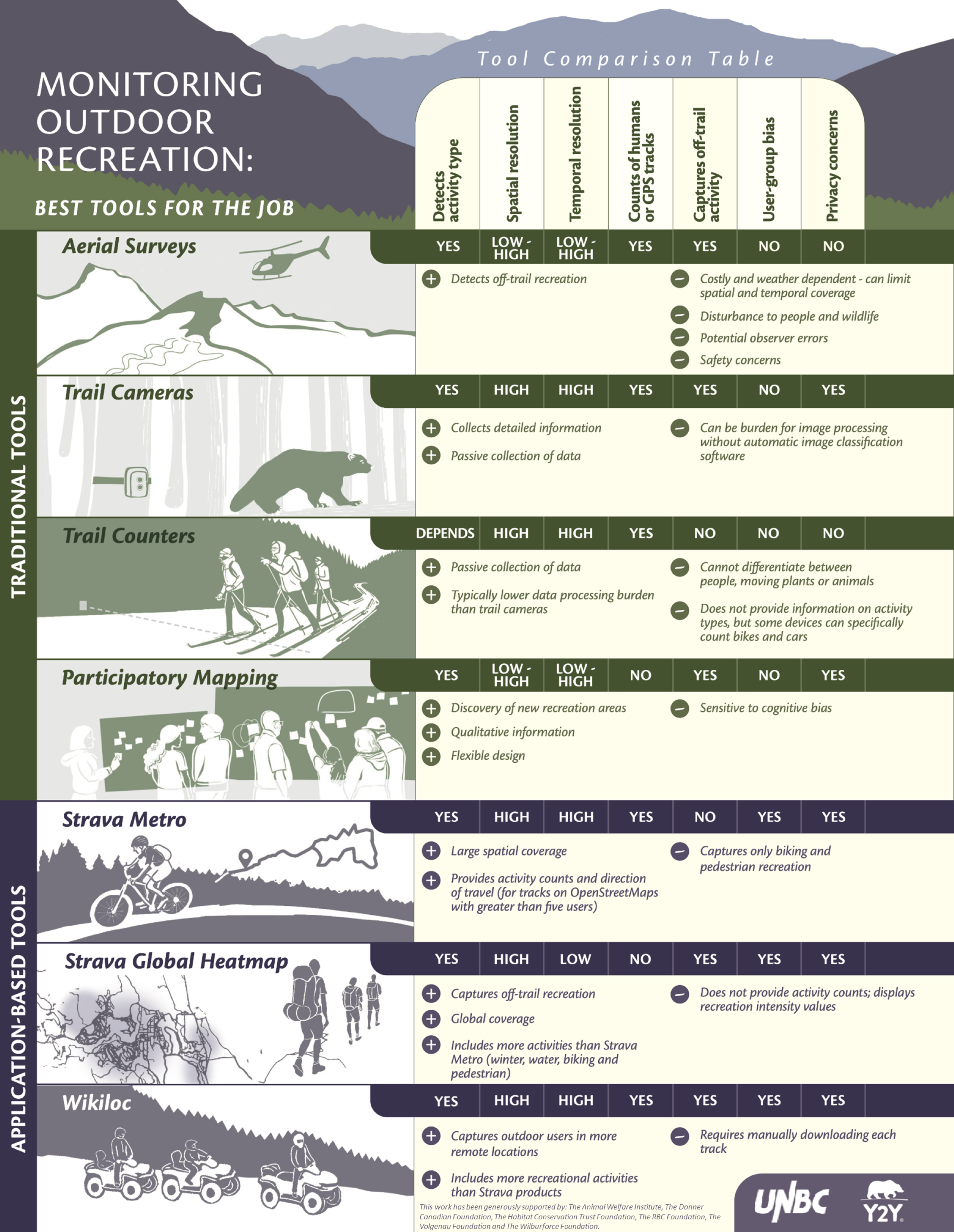
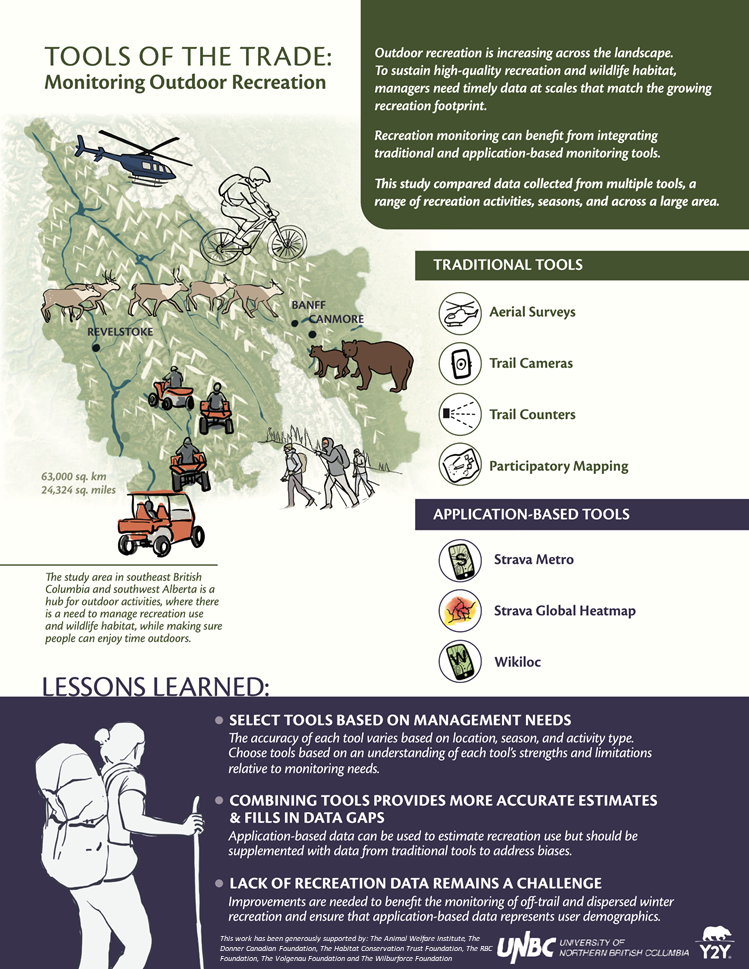
Learn more about these findings in this scientific paper and the below infographics that outline these tools’ strengths and weaknesses and provide guidance on which tool or combination of tools to use.
(click to expand)
3. Science can help wildlife and people share space.
This research highlights how different species’ habitats are impacted by recreation, such as:
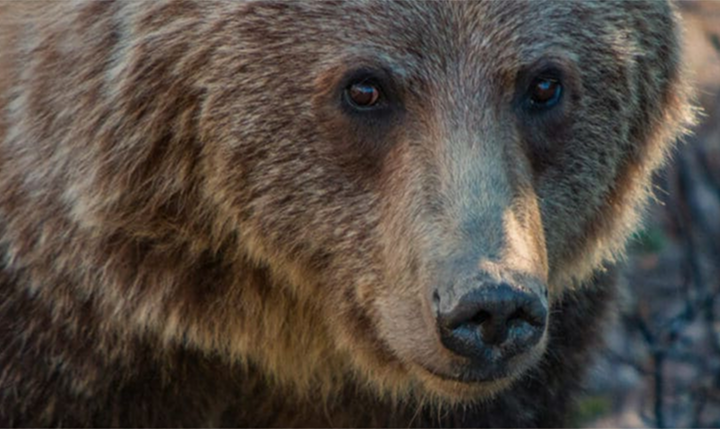
- In the spring, grizzly bears and recreationists often share low-elevation valley bottoms, increasing potential human-bear encounters.
- Southern mountain caribou rely on mature and old-growth forests, but roads and disturbances threaten their seasonal migration and use of these critical habitats. Protecting mature and old-growth forests and restoring connectivity between key habitats is critical.
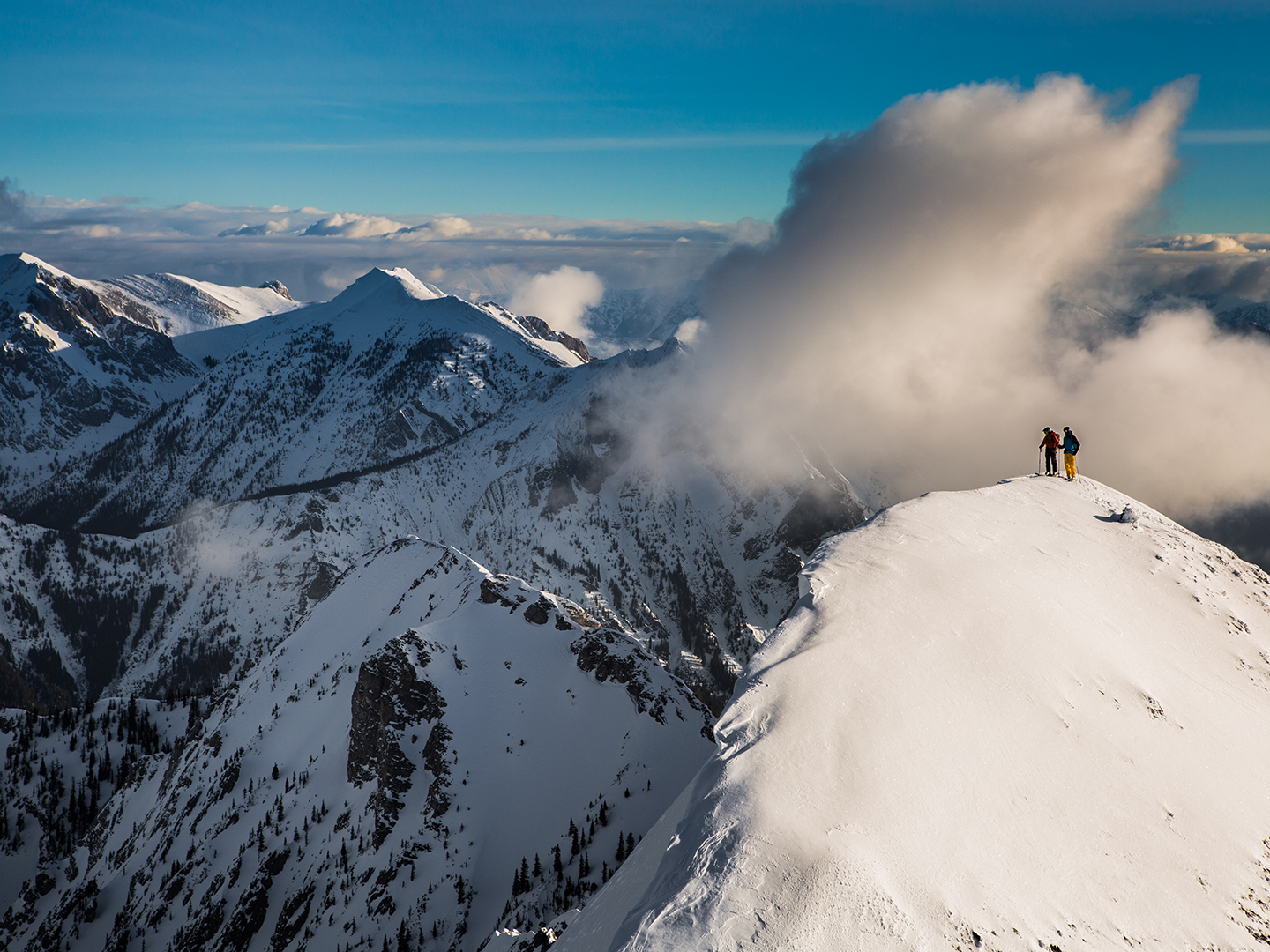
- High-elevation areas emerged as a priority for proactive conservation action. Winter recreation, particularly motorized use, showed strong spatial overlap with core habitats
- Caribou and wolverine are highly sensitive to disturbance. Climate change adds another layer of complexity for these species. With warmer winters, shorter snow seasons and more unpredictable precipitation, recreation is concentrated into smaller areas and higher elevation. These changes can increase pressures on sensitive wildlife habitats, particularly for caribou and wolverine.
From research to conservation action
A key goal of this project was to provide evidence-based tools and practical guidance for land managers, governments, Indigenous Nations, recreation leaders and communities to improve planning and management for recreation and wildlife.
Key recommendations include:
- Use a mix of traditional and user-generated tools to measure and monitor recreation.
- Incorporate recreation data from a variety of sources into wildlife habitat models. While including the footprint of trails and roads is important, inclusion of the intensity of recreation can be just as critical. Further research is needed on species-specific responses to recreation and thresholds to develop seasonal and activity-specific guidelines and policies, especially for wolverine and other climate-sensitive species.
- Support collaboration among researchers, managers, planners, outdoor recreation leaders, and communities to centralize, standardize and share data, and jointly explore management solutions.
- Promote responsible recreation through digital and outdoor apps. Establish evidence-based practices and policies that protect sensitive species from recreation impacts.
Outdoor recreation plays an important role in many communities across the Yellowstone to Yukon region, and beyond. Thoughtful planning that prioritizes human–wildlife coexistence is key to responsible recreation now and in the future.
This research contributes to this growing field by equipping and empowering decision-makers with resources and tools to help improve land, wildlife and recreation planning and management. This research project provides an example of how collaborative projects can bridge the gap between innovative research, on-the-ground action and policy change to allow both people and nature to thrive
Reports and research
- Integrated species distribution models predict motorized and non-motorized outdoor recreation across seasons, published in Landscape Ecology in 2026 by Loosen et al.
- Protecting wildlife through responsible recreation. Research summary (2024). NOTE: Results in research summary are outdated.
- Advancements in monitoring: a comparison of traditional and application-based tools for measuring outdoor recreation, published in PeerJ Environmental Science in 2023 by Vilalta Capdevila et. al.
- Understanding the role of traditional and user-created recreation data in the cumulative footprint of recreation, published in the Journal of Outdoor Recreation and Tourism in 2023 by Loosen et. al.
- Synthesis of habitat models for management of wolverine (Gulo gulo): Identifying key habitat and snow refugia in the Columbia and Rocky Mountains, Canada, published in Global Ecology and Conservation in 2023 by Schepens et. al.
- Mapping recreational linear features beyond documented trailed in southwestern Alberta and southeastern B.C. A report prepared by Y2Y and UNBC in December 2022.
- Recreation ecology literature A selection of scientific journal articles, reports and graduate and undergraduate theses related to outdoor recreation and impacts on wildlife and the environment.
Tools
- [Maps] Interactive map showing wolverine habitat suitability
- [Infographic] Strengths and limitations of recreation monitoring tools
Funders and supporting partners
This multi-year project is a collaboration between Yellowstone to Yukon Conservation Initiative, University of Northern British Columbia and others including provincial governments, land managers, and researchers.
Thank you to all our partners and many people for shaping this research over the past four years, including: government scientists, land-use managers and planner, conservation organizations, interns, students, academic institutions, and independent researchers and consultant.
Project partners
- Biological Sciences – University of Alberta
- Braided Knowledge Environmental Consulting
- Conservation Science Partners
- Government of Alberta
- Government of British Columbia
- Nature Conservancy of Canada
- Parks Canada Agency
Project funders
Generously supported by:
- Animal Welfare Institute
- Audain Foundation
- Calgary Foundation
- Donner Canadian Foundation
- Eco Canada
- Habitat Conservation Trust Foundation
- MITACS
- RBC Foundation
- The Volgenau Foundation
- Wilburforce Foundation
Additional reading and project news
- Let’s give the wary wolverine some space. Mongabay. Jan. 12, 2024.
- Advancing Evidence-based decision-making in large landscape conservation through the social science: A research agenda for the Yellowstone to Yukon region, published in Mountain Research and Development.
- Nearly one-quarter of trails in southern B.C., Alberta unmapped and unmanaged: study | Globe and Mail, Jan. 24, 2023
If you are looking for resources on responsible recreation and outdoor recreation and wildlife, please contact us.
Post last updated in April 2026.
Studying recreation in the Yellowstone to Yukon region
How can we do better to protect the places we love to explore, and the wildlife we share space with?
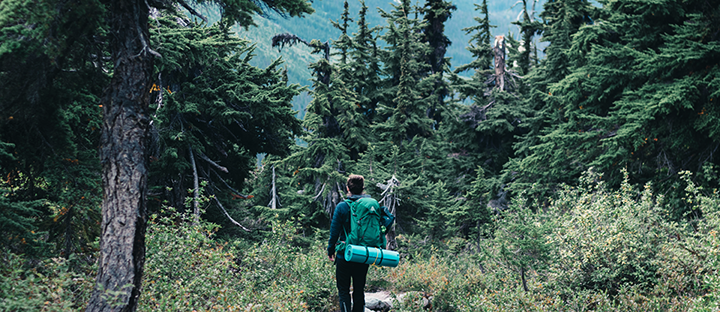
Studying recreation for the love of nature
Studying recreation at a large scale is a big undertaking! Luckily, we have had help. Meet three of the interns Y2Y and UNBC have worked with on our recreation ecology project in 2020 and 2021.
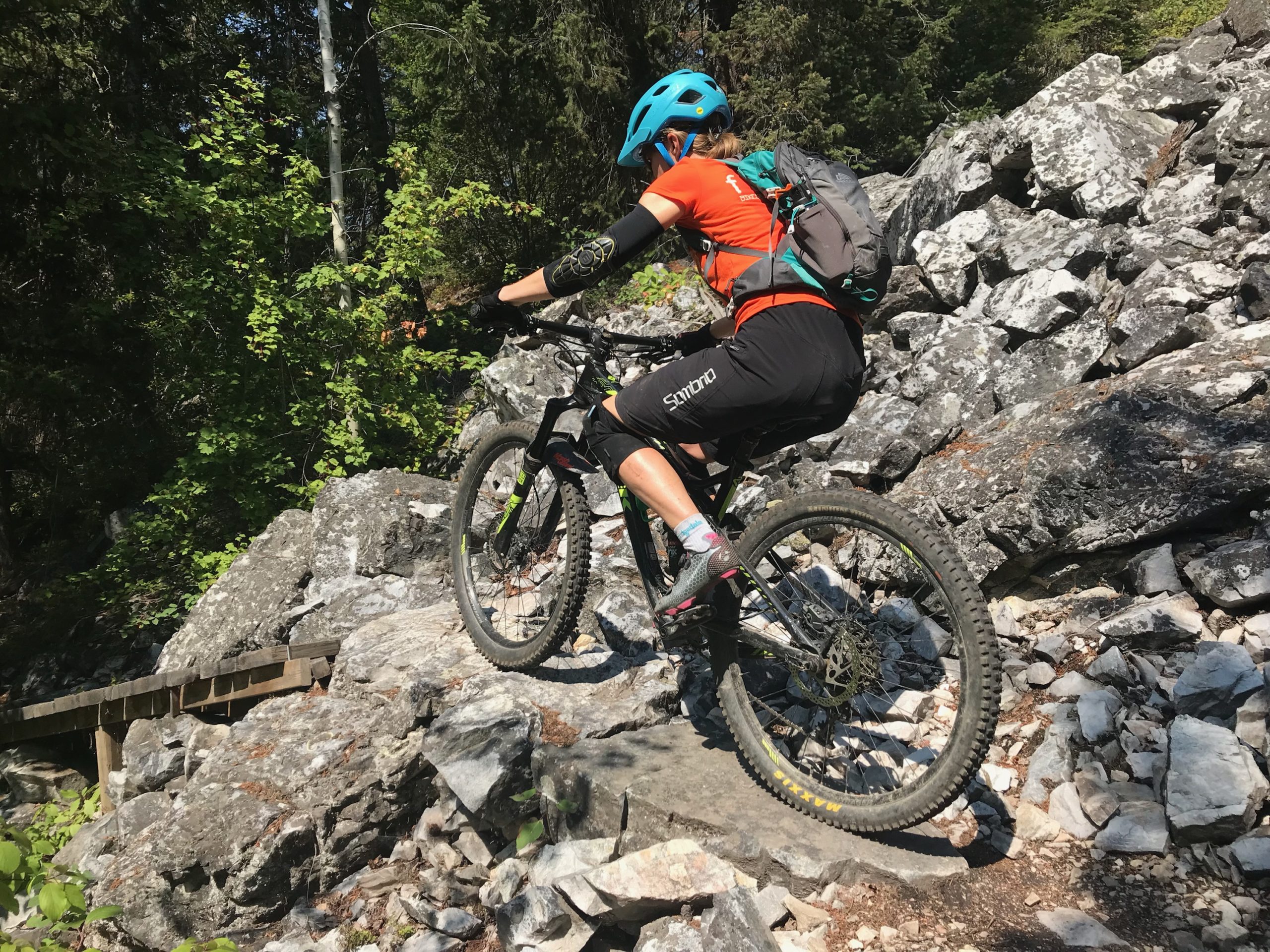
Funding to help drive much-needed research into recreation in B.C., Alberta
New financial support is leveraging technology to help communities better understand recreation needs and patterns in and around western Canada’s mountain communities.
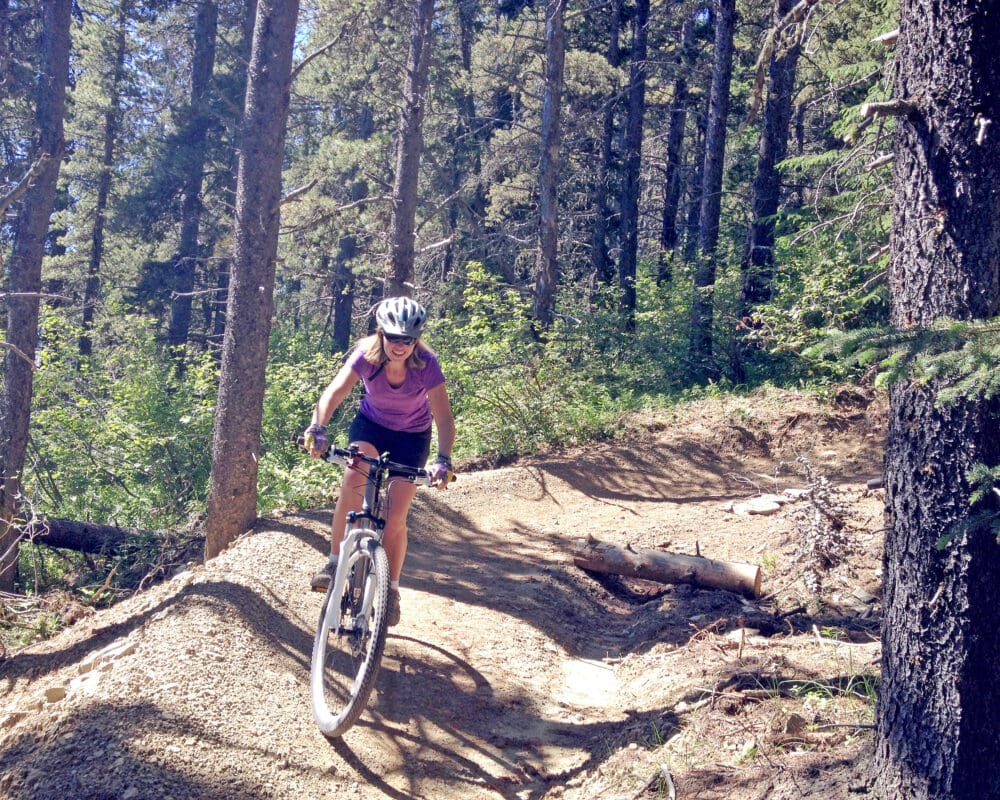
Making room: Recreation and wildlife in the Bow Valley
Trails can be designed to work better for people and wildlife.
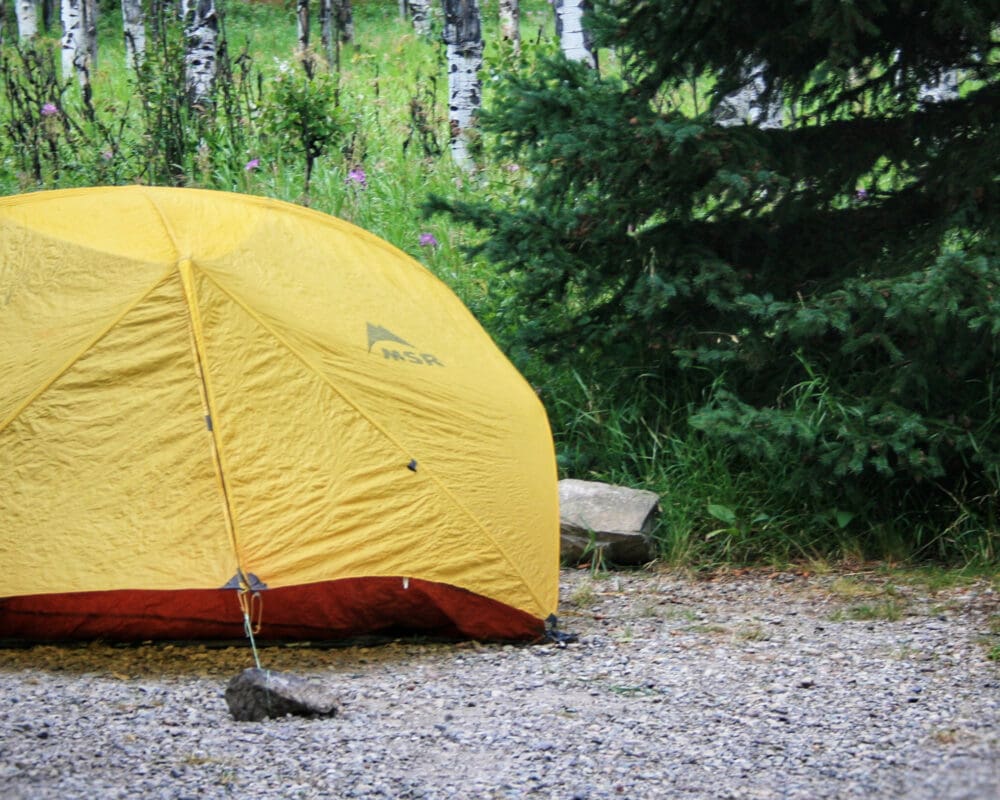
Wild neighbors: How Y2Y helps Hipcamp hosts coexist with wildlife
Y2Y and Hipcamp have partnered to help hosts across the Yellowstone to Yukon region to practice good wildlife coexistence.