For 30 years, Y2Y has been an example of the Nature Positive movement
Newly published research shows saving species and fighting climate change work best when we tackle them together, not separately.
In a new paper from the prestigious journal Frontiers in Science, “Nature Positive: halting and reversing biodiversity loss toward restoring Earth system stability,” a team of authors – including Y2Y co-founder and strategic advisor, Harvey Locke – show a clear path forward for why putting nature first matters to fight climate change.
The challenge before us is clear – humans have destabilized the Earth system by harming too much nature, changing the climate, and the processes that are essential to the functioning of the planet in a way that benefits people. The paper’s goal is to have humanity come together to solve our biggest problem – which is towards stabilizing the Earth system, having more thriving nature on Earth and making a mind shift towards living in a way that is Nature Positive.
The authors highlight four things that need to change to achieve a Nature Positive future:
- Achieve stabilization of the Earth system: Require a unified, Nature Positive approach for governance and environmental goals in biodiversity, human development, the climate, and oceans.
- Protect wild places that are still healthy now and restore those that are damaged: Keeping forests, wetlands, marine areas and grasslands healthy is one of the fastest ways to store carbon and support wildlife
- Combine knowledge: Integrate Indigenous traditional wisdom and relationship-based practices along with local knowledge in decision making
- Change how our economy values nature: Make sure nature is worth more when it’s thriving than when it’s destroyed
Why this research matters
Most people are aware that we have serious environmental problems but no clear path out of them. This paper provides an integrated approach for humanity to come together to create a Nature Positive future. This research gives us a roadmap with a specific, measurable goal: incorporate being nature positive and shift our mindset around focusing on nature first, and climate change next. It goes beyond showing the problem to showcase exactly what success looks like.
The paper also explains an important connection: healthy ecosystems such as forests, oceans, and wetlands help keep our planet’s climate stable. They absorb carbon, manage water cycles, and cool the climate.
When we protect and restore nature, we strengthen these natural systems that benefit everyone by making individual contributions toward the Nature Positive goal.
Humans’ health depends on nature’s health
Humans are entirely dependent on a healthy, functioning natural world for everything they do. Viruses can spread to humans when we disturb wild nature. For example, rainfall, which is vital for agriculture, can be severely reduced when we disturb the forests that help to create them. Diseases spread with climate change – we need to take action to restore stability to the Earth system that nurtures us and keeps us healthy.
The world’s economy depends on nature
Half of the world’s economy depends on nature. We need clean water, pollination for crops, healthy soils, and healthy people. The paper shows how we can update our economic systems to recognize nature’s true value — not as a luxury or optional, but as essential to our lives and livelihoods.
According to the paper’s lead author, Harvey Locke, “In market terms, nature is worth more dead than alive. We have to fix that. When we value nature first, we create infrastructure for planetary stability. People need nature to survive.”
Bringing together empirical science and Indigenous knowledge
Indigenous knowledge systems are rooted in deep understandings of how the natural world works, including a sense of responsibility to the rest of life. To Indigenous people, everything is alive and dynamic. This knowledge system aligns well with the findings of Earth systems science that we not only need to focus on the patterns of where things live, but also the processes that create the conditions for life. This convergence of two knowledge systems provides a way of thinking about the world that allows us to imagine our relationship in Nature Positive way.
Solutions exist, and are already working
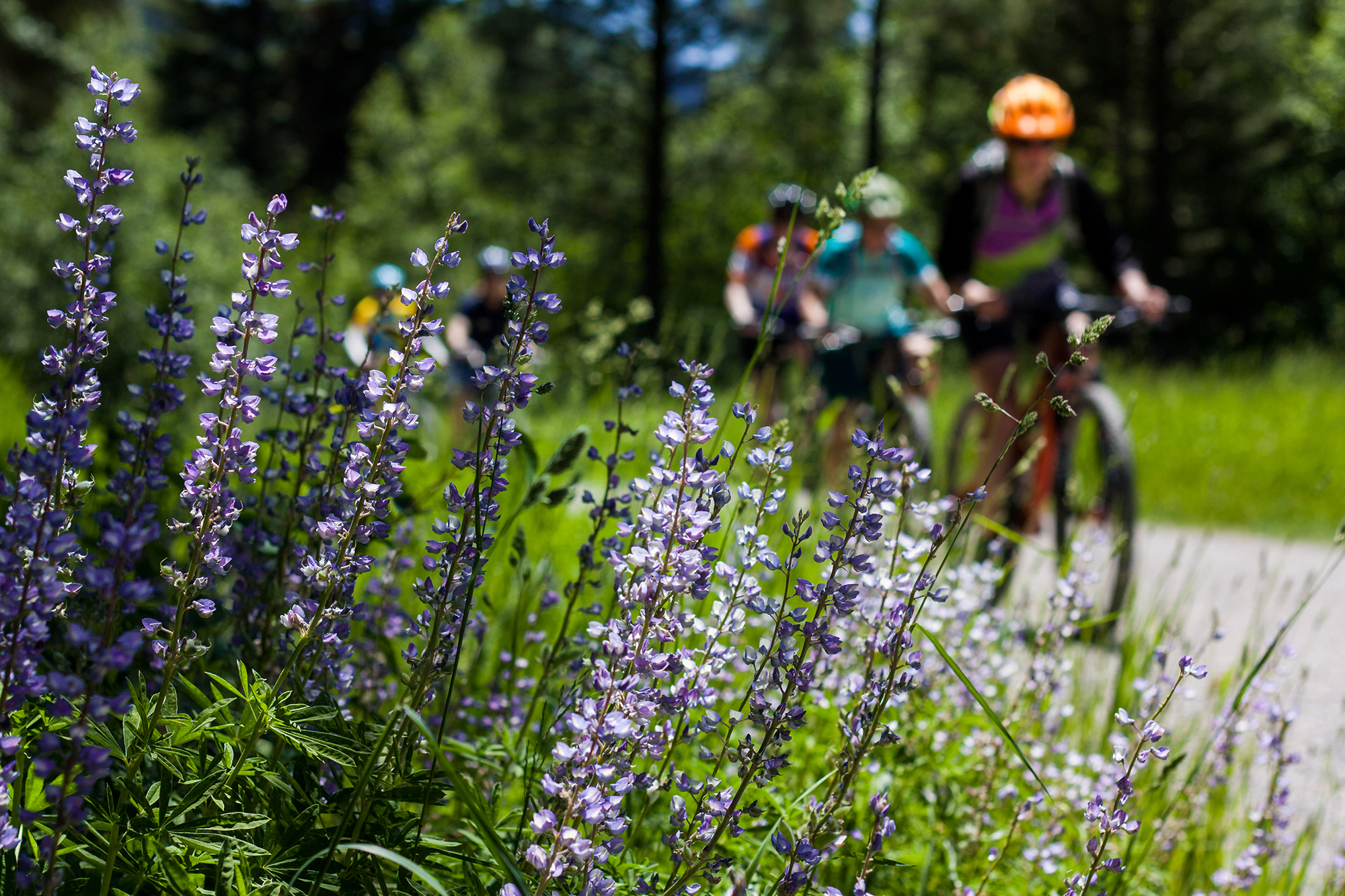
The Yellowstone to Yukon region shows that a positive vision can drive meaningful change towards a more desirable future. For more than 30 years, Yellowstone to Yukon Conservation Initiative (Y2Y) has worked alongside partners to increase protected areas in this region by more than 80%, building highway crossing structures, and working with landowners and communities on coexisting with wildlife.
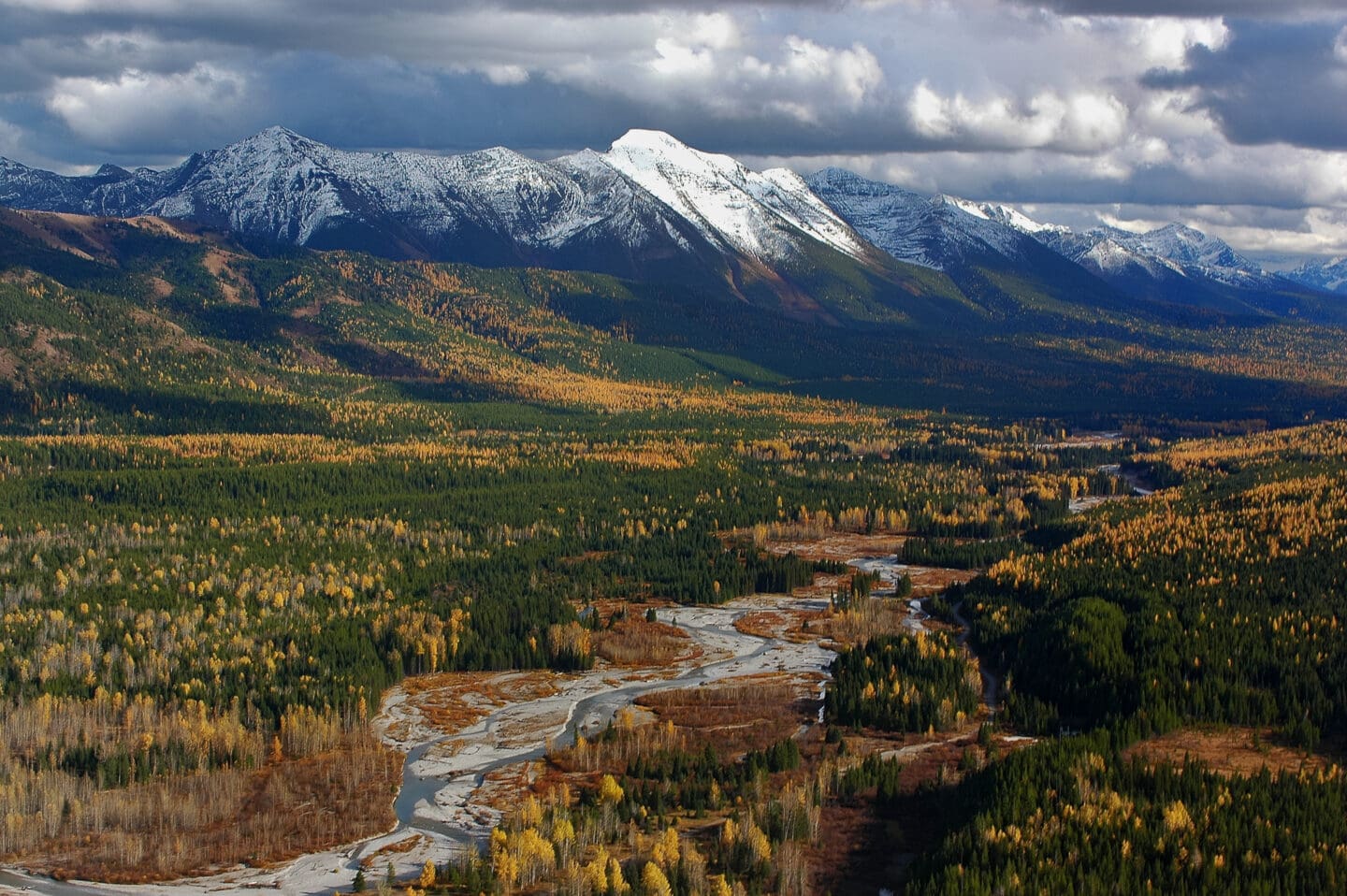
As the world’s most intact mountain region, this 3,400-kilometer-long example shows what happens when we work together to combine science, Indigenous knowledge, and local expertise: we can create connected landscapes where both people and nature thrive.

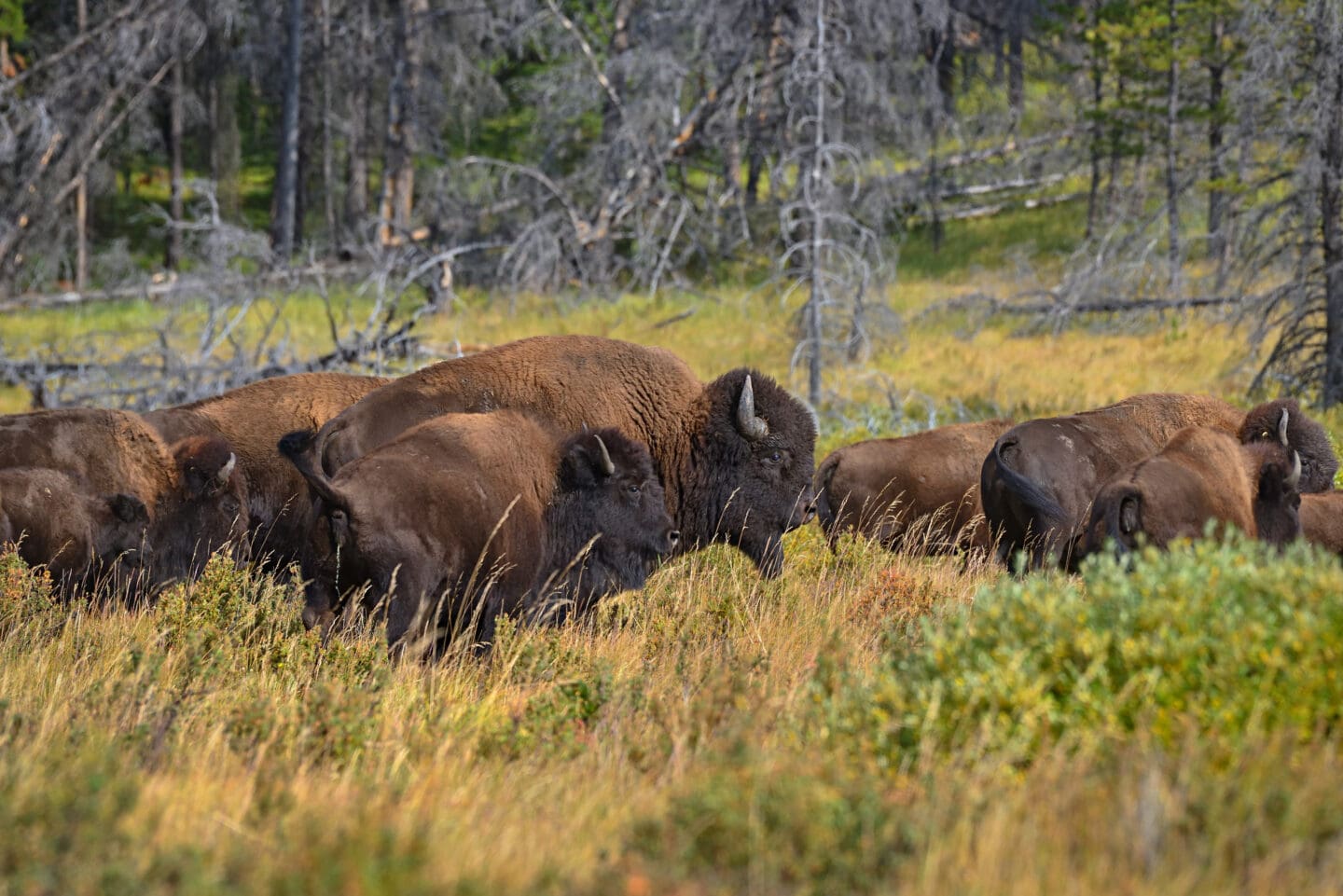
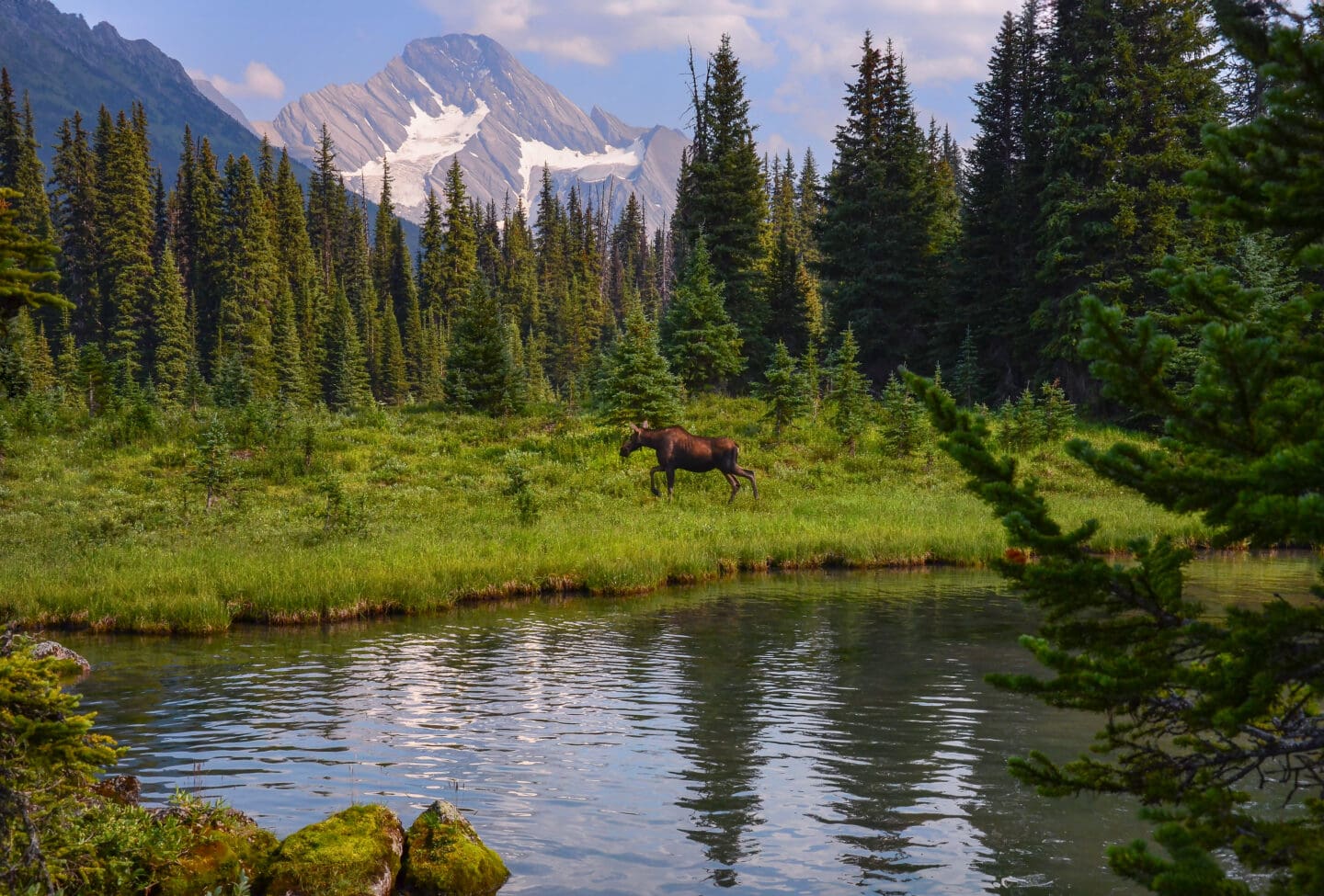

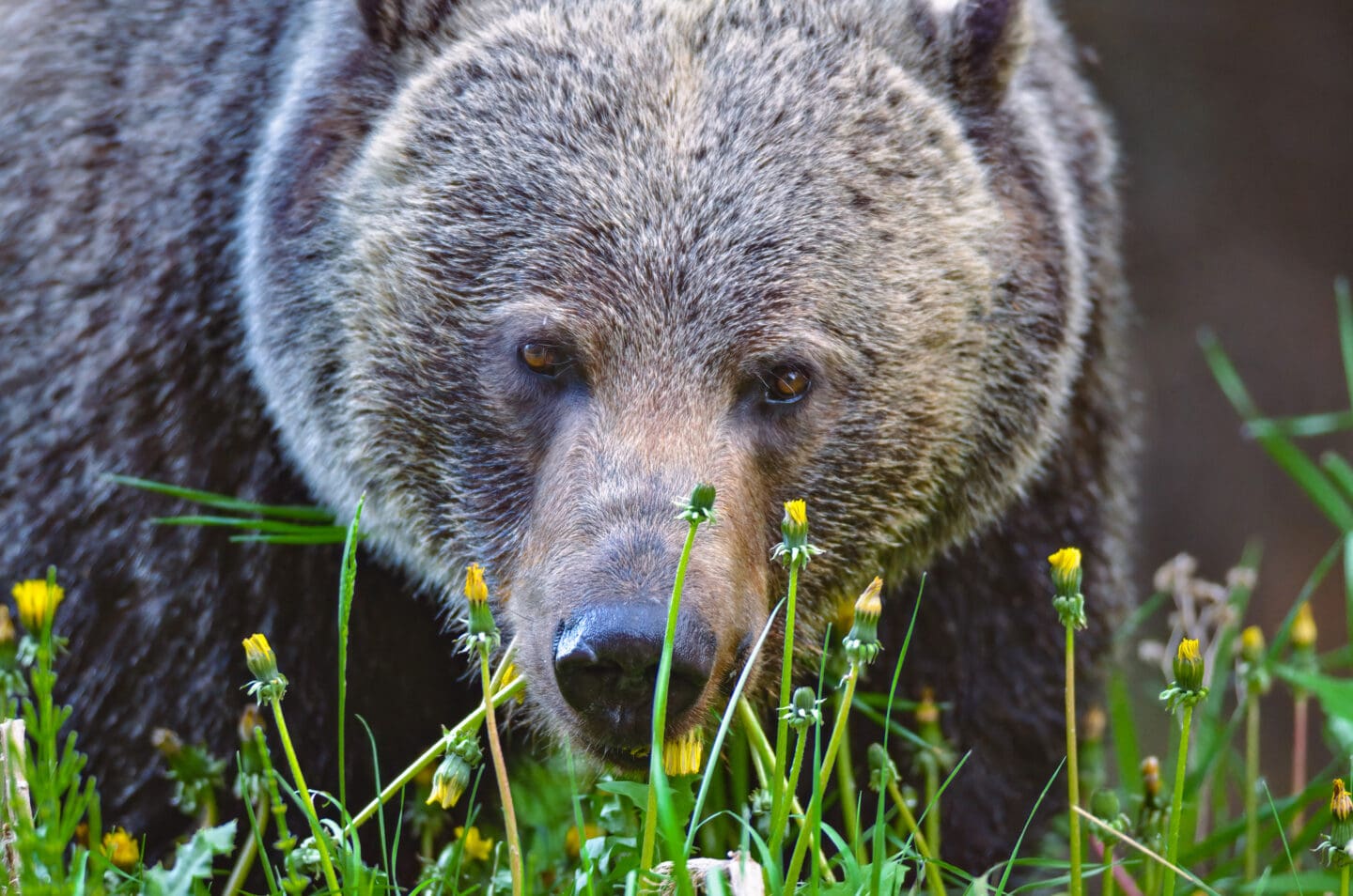
The Yellowstone to Yukon region demonstrates key strategies from the paper in real, measurable ways:
- Keeping nature intact
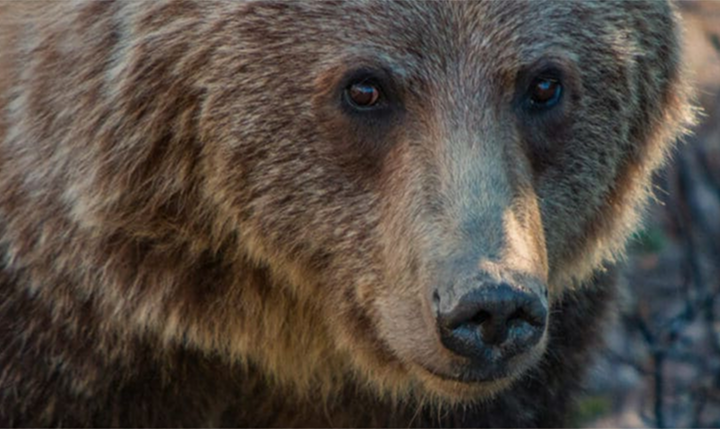
The Yellowstone to Yukon region is home to the headwaters of all the major rivers of the North American west – keeping those rivers wild and free flowing is vital to the health of our continent. Also, when wildlife has room to roam, feed, and raise their young, entire ecosystems stay healthy. The Yellowstone to Yukon region still supports most of its native plants and animals — and our goal is to keep it that way. This also keeps massive amounts of carbon safely stored in forests, grasslands, and wetlands. These natural carbon vaults stay locked when we leave them undisturbed.
- Keeping it connected
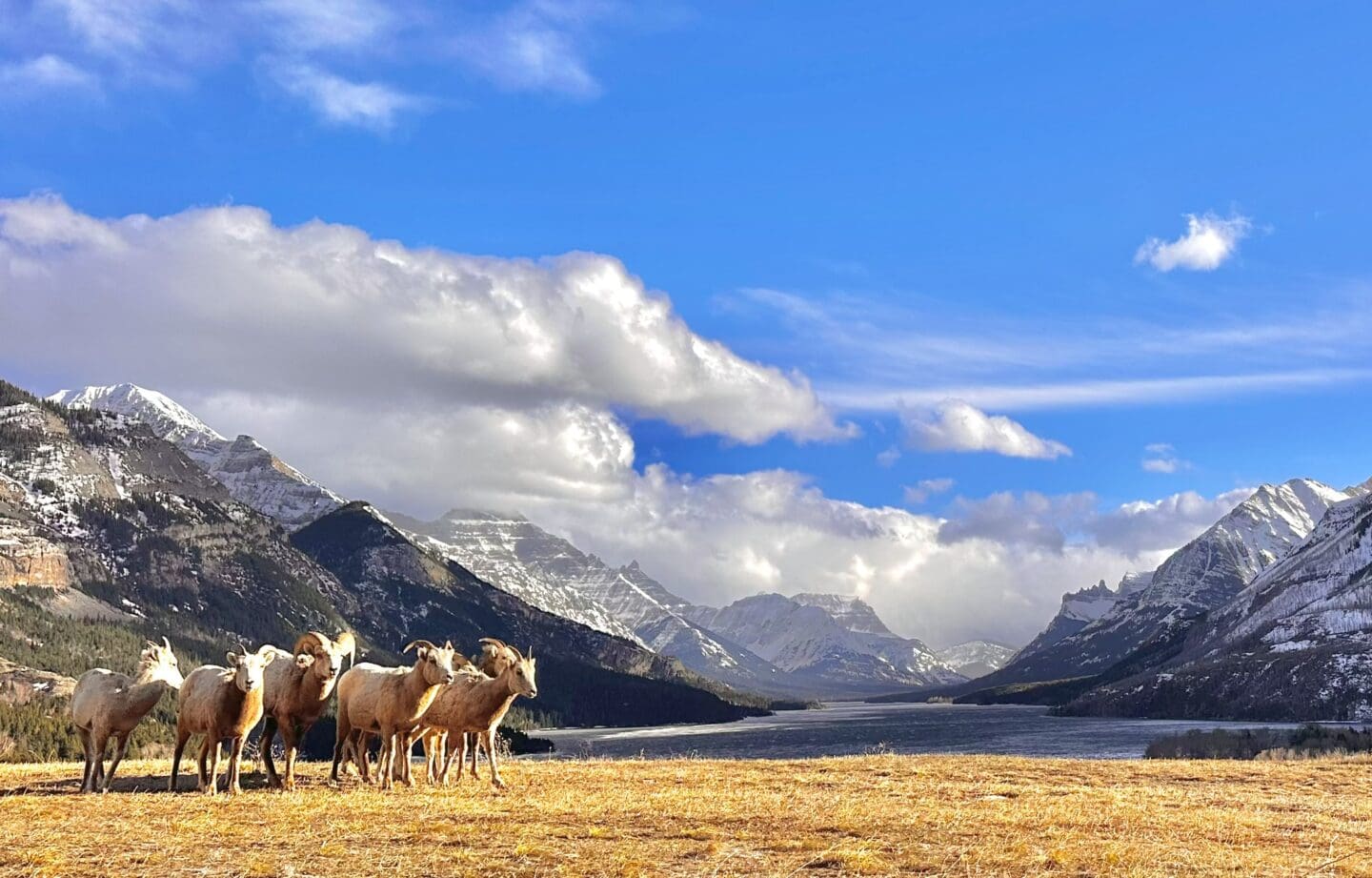
As the climate changes, animals need to move to find cooler areas: either northward or up to higher elevations. There are vital wildlife corridors in the Yellowstone to Yukon region that make this possible. By restoring or retaining connections that give wildlife room to roam, we can help them find food, water, and mates even as conditions shift.
Some of Y2Y’s core goals such as creating wildlife crossings across highways, conservation on private lands, and strong policies, all work together to keep these pathways open, making ecosystems more resilient to extreme weather and climate changes.
- Combining science and Indigenous knowledge and building partnerships
Y2Y’s success comes from bringing together Indigenous knowledge, local expertise, and scientific research. This collaborative approach is a global example that has led to practical solutions that help humans and wildlife share the landscape safely or knowing where wildlife cross highways and new protected areas that are co-managed with Indigenous peoples and government.
By valuing multiple ways of knowing and working in partnership, we create conservation that truly works for both people and nature.
- Enable policy decisions that value nature
Y2Y works to research ways to value nature and shape policy that support Nature Positive conservation. Yellowstone to Yukon has hosted a project to create new financial mechanisms to invest in intact nature with new applied solutions emerging.
How to build a better future
This paper represents collaboration at its best. A team of interdisciplinary co-authors from Canada, the United States of America, Europe, the United Kingdom, China, Brazil and India, came together to create this roadmap. Their united approach shows how these challenges are connected and how we can solve them as one — as well as the urgency for a solution.
Their message is hopeful, unanimous and clear: by working with nature instead of against it, we can create a healthier planet for everyone. When we protect wild places, restore damaged areas, integrate all ways of knowing when making decisions, and value nature properly, we’re investing in a future where nature and people flourish together. Nature positive gives us an opportunity to unite towards an inspiring, healthy future.
“This is our moment. We can come together to solve our biggest problem and organize ourselves to have the future we want. A nature-positive, carbon neutral, equitable future for all humans and all of life,” says Locke.
The path towards a Nature Positive future is already being walked in places like the Yellowstone to Yukon region. Now we have a framework to bring these successful approaches to landscapes around the world.
“This is our moment. We can come together to solve our biggest problem and organize ourselves to have the future we want. A nature-positive, carbon neutral, equitable future for all humans and all of life,” says Harvey Locke, lead author and Y2Y co-founder.
Create a nature-positive planet today
About half of the world is still in a natural condition ranging from vast, large wild areas to small patches of habitat in very crowded landscapes. We need to protect all of it, wherever it is found. The Yellowstone to Yukon region has some of the last large wild areas left in North America. What’s more, Y2Y has identified the highest-priority areas for protection — places where conservation action will have the greatest impact.
Nature’s health is vital to the future of humanity — it’s time for us to focus on halting and reversing the loss of nature to create a Nature Positive future.
Take the next step toward being Nature Positive:
- Read the paper now: “Nature Positive: halting and reversing biodiversity loss toward restoring Earth system stability.”
- Make a donation to support our work.
Related stories
Equitable, carbon-neutral, nature-positive world
Eleven global environmental and business organizations, including Y2Y, have signed off on a new paper that defines what is needed to halt and reverse today’s catastrophic loss of nature.
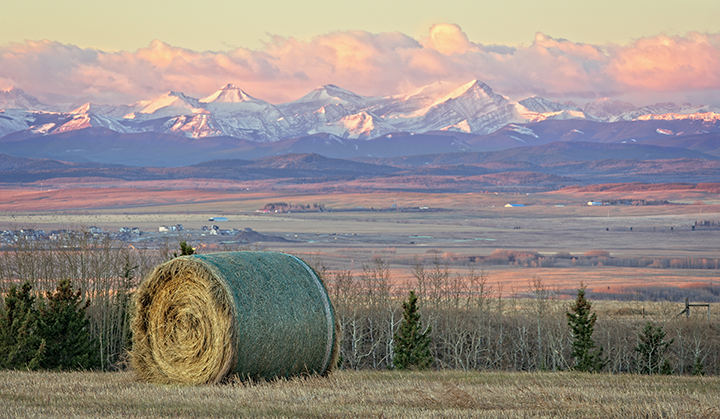
Nature-positive economies strengthen southwest Alberta communities, support nature in the long term
A new report from Stormy Lake Consulting, and commissioned by Y2Y, points towards a future where nature-positive economic development helps southwest Alberta communities thrive.
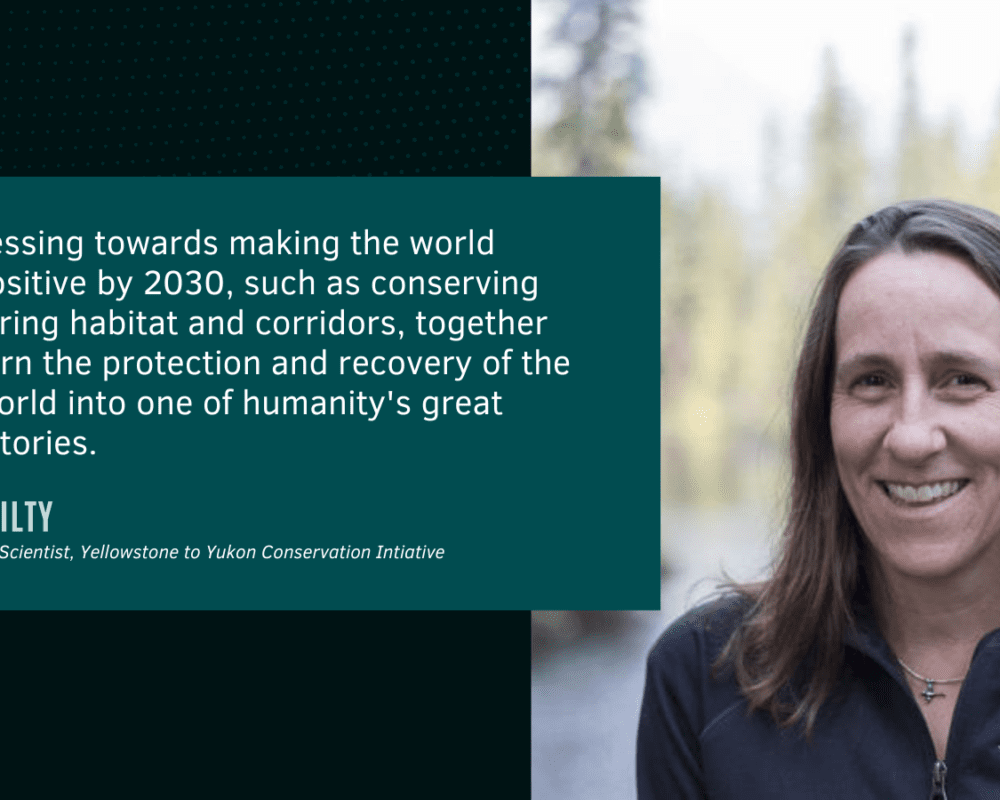
Y2Y among environmental groups urging goal to be nature-positive by 2030
Y2Y among 14 international environmental organizations calling for a global goal to halt and reverse nature loss by 2030, and achieve full recovery by 2050.