Celebrating the completed Rock Creek wildlife crossing project
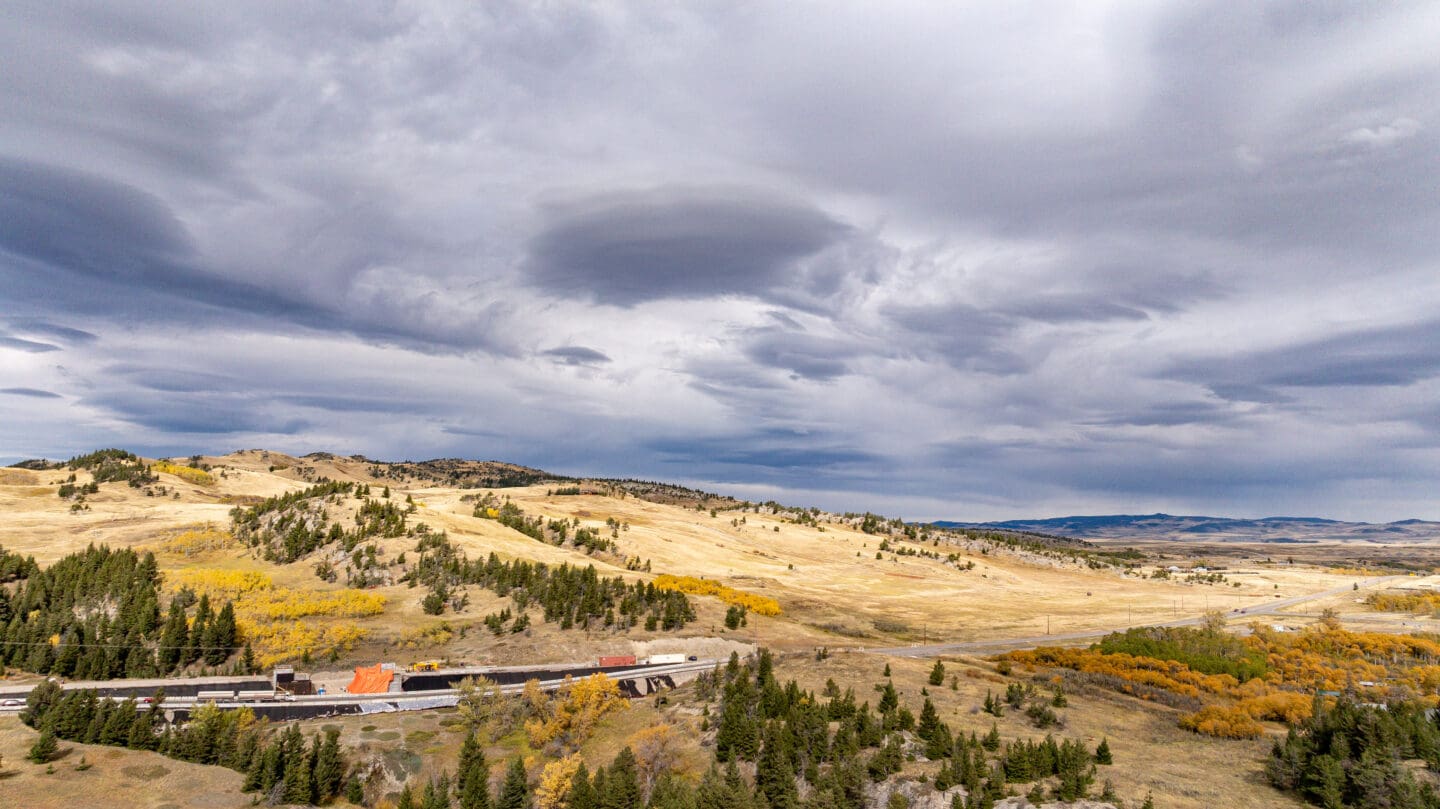
Y2Y and partners congratulate the Alberta government on the completion of the Rock Creek wildlife underpass and fencing project on Highway 3 near Crowsnest Pass, helping future generations of wildlife to thrive, and providing safe passage for drivers on Highway 3.
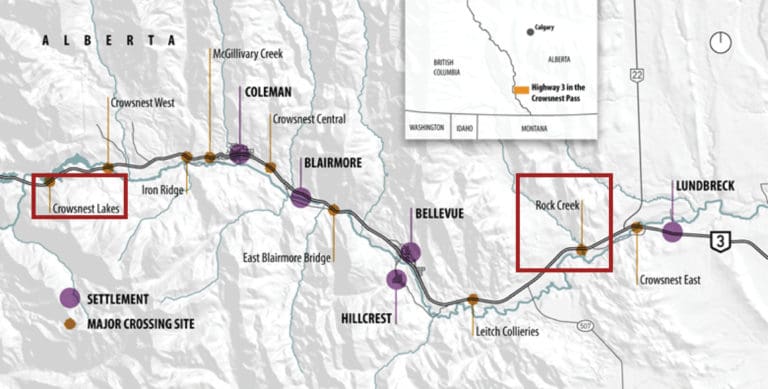
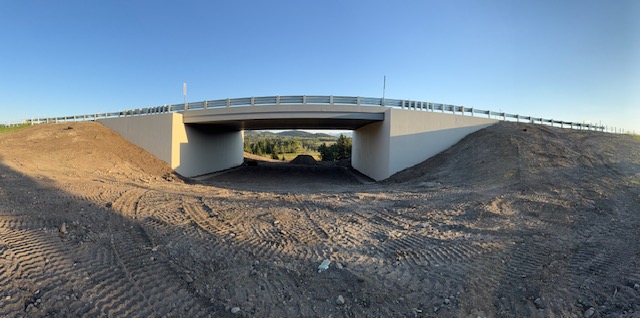
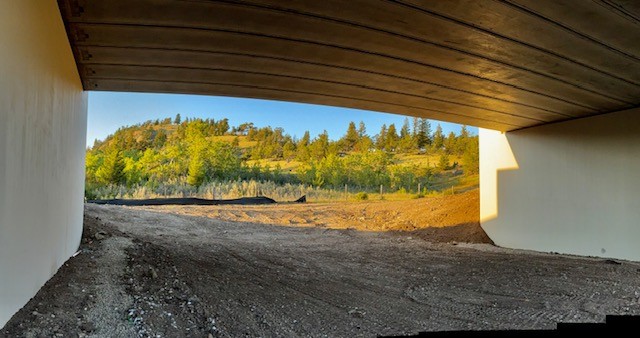
The Rock Creek project is a long-awaited success story for both people and wildlife, which Y2Y and numerous partners have advocated for since the release of a research report in 2010 identifying key sites on Highway 3 for wildlife crossings. The $11 million project broke ground in 2024 and includes a new 15-meter-wide wildlife underpass connected to approximately 10 kilometers of wildlife-exclusion fencing on Highway 3 and part of Highway 22.
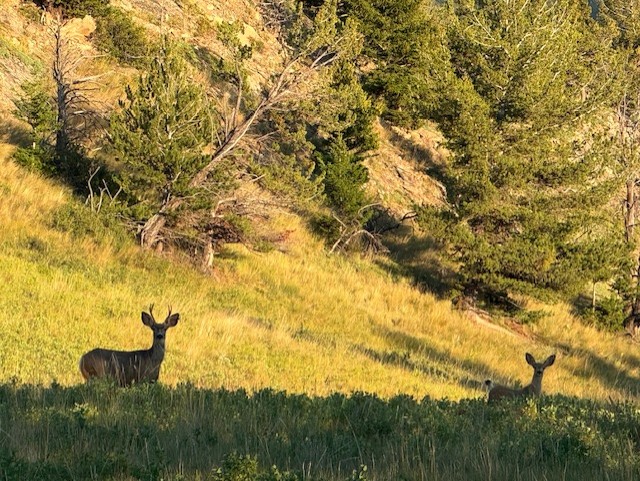
To motorists it looks like a normal bridge, but for wildlife such as deer, elk, and grizzly bears, the Rock Creek crossing is a life-saving link across a busy highway. The underpass will help wildlife access daily and seasonal needs like habitat, food and water, help maintain healthy predator/prey relationships, maintain genetic diversity and increase resilience to environmental changes over time.
Wildlife underpasses and overpasses paired with fencing are a proven and cost-effective solution to protect motorists from dangerous and costly collisions with wildlife. They reduce wildlife vehicle collisions on average by 83% and serve a key ecological purpose in allowing animals to stay connected to a larger population of their species.
Safer passage for wildlife is a win for people, too.
Drivers on Highway 3 face some of Alberta’s highest wildlife-vehicle collision rates.
Data from Alberta’s Wildlife Watch program shows that along the 10 km (six mile) section of Highway 3 where the new underpass and fencing are located, maintenance crews collect an average of 30 animal carcasses every year — a number that researchers say is probably three times higher, as many of the animals hit go unreported.
With these collisions costing society nearly $1 million annually on just this short stretch of highway, the project is expected to pay for itself in fewer than 15 years through fewer collisions with wildlife and reducing the costs related to emergency response, injury, insurance, and property damage.
By reducing costs associated with vehicle insurance claims these projects benefit everyone, even those that may never drive this section of highway.
“Highway 3 is a major barrier to wildlife movement. Years of research and monitoring shows us where animals are most likely to get hit. This crossing couldn’t come at a better time, given the ongoing risks for both people and wildlife,” says Tim Johnson, Y2Y’s landscape connectivity specialist.
“Wildlife crossing projects like Rock Creek are a proven solution to help animals across busy highways, and to protect drivers from dangerous and costly collisions that are all too common on Highway 3. By investing in these projects in the most important, cost-effective places, the government shows its commitment to both conservation and making our roads safer to travel.”
The Rock Creek project is the latest addition to the 204 wildlife overpass and underpasses in the broader 3,400-km-long Yellowstone to Yukon region. Two additional purpose-built wildlife crossing and fencing projects on Highway 3 west of the town of Coleman — the Iron Ridge underpass and the Island Ridge overpass — are now in the design phase and are two of over 20 future crossing projects announced by the province in June 2024. Additional projects are also underway across the B.C. border.
Tracy Lee, Director of Conservation Research with the Miistakis Institute, has worked in this part of Alberta for decades. “The Rock Creek project shows how good infrastructure planning can support both people and wildlife,” says Lee. “Guided by local knowledge and strong science, this is a long-term investment that improves safety for Albertans and keeps wildlife moving.”
The Rock Creek project is also a key step forward towards a broader goal of reconnecting the landscape fragmented by Highway 3. Y2Y is a longtime partner in the Reconnecting the Rockies project, a multi-year initiative advancing a connected network of wildlife crossing structures (underpasses, overpasses, and fencing) on an 80-km (50 mile) stretch of Highway 3 between Alberta’s Crowsnest Pass region and the Elk Valley in B.C.
“Rock Creek is more than a single crossing—it can be the start of a safer Highway 3,” says Dr. Clayton Lamb, a Wildlife Scientist with Biodiversity Pathways and University of British Columbia who has studied wildlife in the region for decades.
“The design reflects decades of research showing where animals move, where collisions occur, and what types of structures work best. If we continue building crossings and fences in the right places, we can dramatically cut collision rates and keep people and wildlife safer and well connected.”
“Alberta is committed to enhancing safety for drivers, and the completion of the Rock Creek wildlife underpass demonstrates this commitment. The project is expected to reduce collisions with wildlife in the area by an estimated 80 percent,” says Devin Dreeshen, Minister of Transportation and Economic Corridors.
Drawing on decades of research in wildlife and road ecology, land-based knowledge and local expertise, Reconnecting the Rockies aims to keep this landscape connected across Highway 3 by creating safe crossings for animals large and small, reducing wildlife deaths on the highway and keeping motorists safer.
Y2Y congratulates the Province of Alberta on the completion of the Rock Creek project and encourages further investment into future wildlife crossing infrastructure projects that help both people and wildlife get where they need to go safely.
Related Stories
Animals are safer, thanks to you
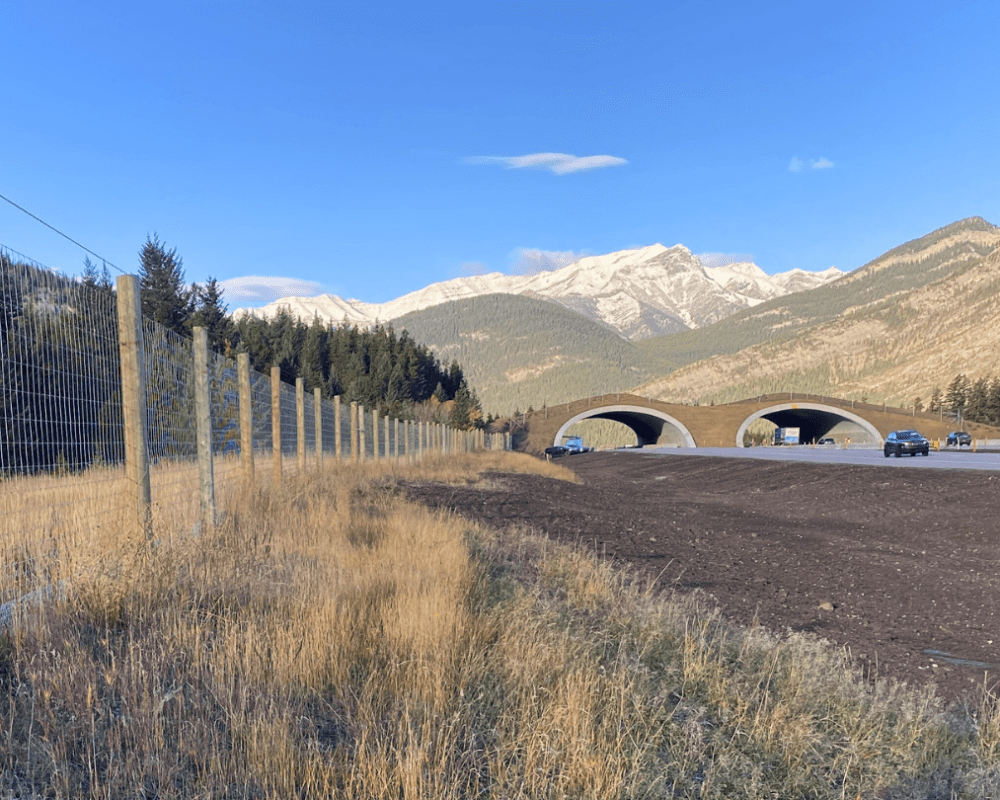
After nearly two decades of researching, planning, fundraising and building, the Bow Valley Gap wildlife overpass on Alberta’s Trans-Canada Highway is nearly complete — and already in use!
Big news for Radium’s bighorns
The Radium Wildlife Overpass will help keep people and bighorn sheep safe along a busy stretch of Highway 93/95 near Radium, B.C.
Bridging the gap: Progress on Alberta’s latest wildlife crossing
Alberta’s first wildlife overpass outside of a national park takes shape over Highway 1 near Canmore.