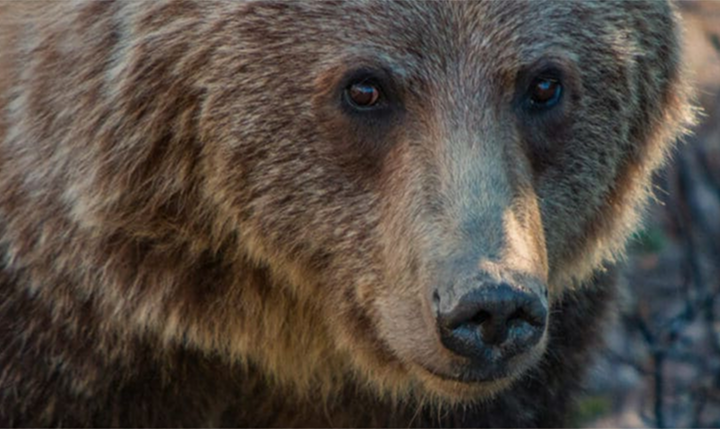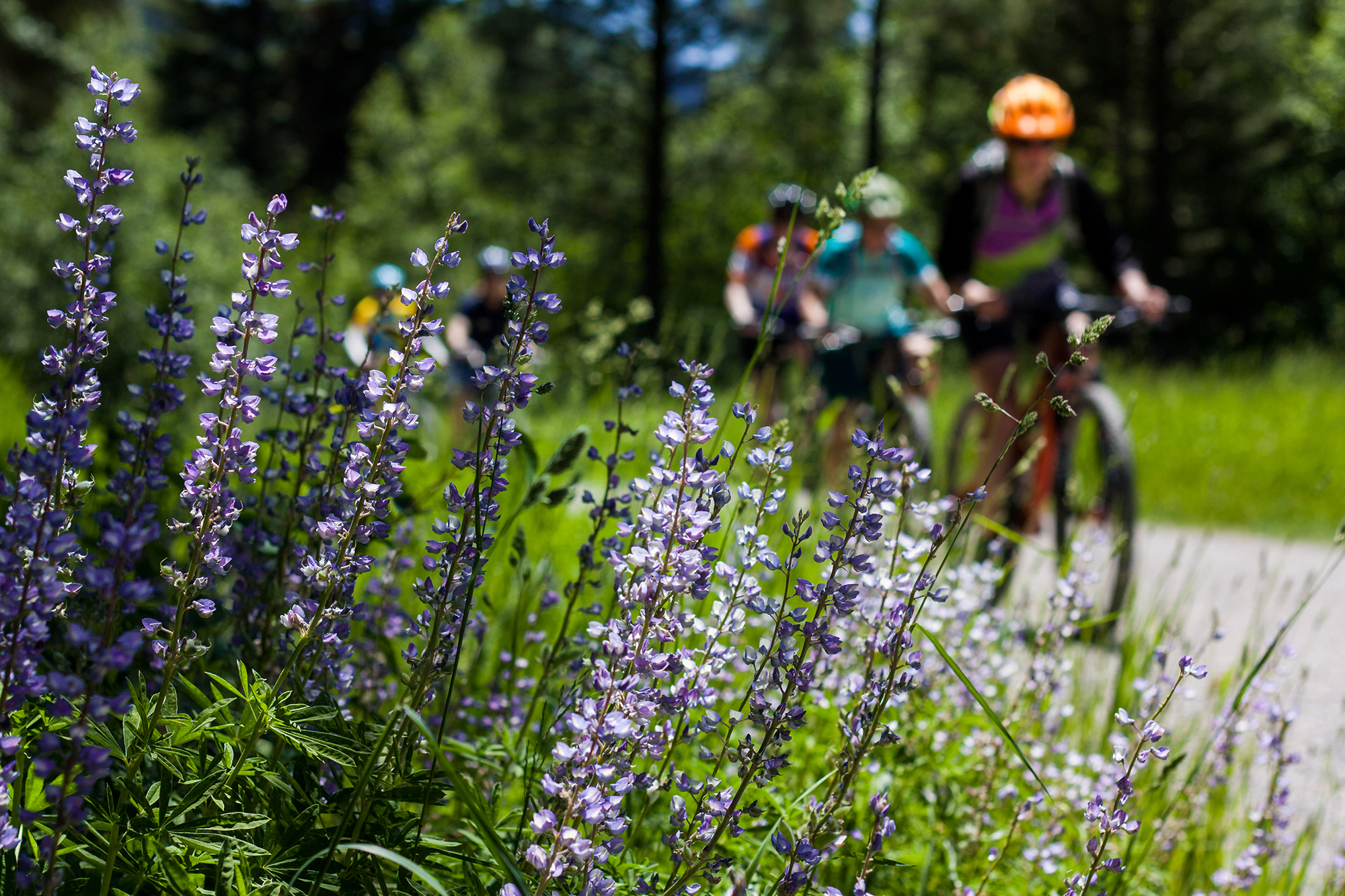
Alberta’s Bow Valley is home to both people and wildlife — it’s one of the things that make this place special.
Science shows us that how, where, and when we recreate directly affects whether bears, wolves, and other animals can safely move through the valley.
The good news? We already know how to meet the needs of wildlife while still providing great outdoor experiences for people. Small changes in how we design and use trails can make a big difference. Here’s what research tells us about sharing space successfully:
Giving wildlife the space they need
Research in the Bow Valley reveals grizzly bears and wolves are half as likely to spend time within roughly 300 to 600 meters on either side of a human-use trail. So habitat security for wary wildlife is reduced by about 50% on for a distance of roughly 500m on either side of a trail.
Smart trail planning improves habitat
By grouping trails together instead of spreading them across the landscape, we can create larger areas where bears and wolves feel comfortable moving through the valley. This “trail bundling” approach gives people excellent access to a variety of trails and nature, and can also provide secure, quiet habitat for wary wildlife if trail bundles are far enough apart. Strategic trail planning can ensure the Bow Valley remains a healthy, intact corridor for wildlife now and into the future.
Quiet hours for wildlife
Time-based restrictions work. When Parks Canada decided to close Banff’s Bow Valley Parkway to nighttime vehicle traffic for periods of time, research shows wildlife thrived in just few years.
Just like bundling trails reduces our spatial footprint, focusing recreation to predictable hours gives wildlife time to move safely and improves habitat quality.
Bow Valley residents and visitors can support conditions for healthy wildlife populations through their choices: keep outdoor activities to designated areas, and avoid dawn, dusk and nighttime when bears, wolves, and cougars are most active. These small shifts create safe spaces for wildlife to live and move through the valley.
The power of being predictable
Wildlife adapts best when people are predictable. Consistency in where, how, and when we recreate reduces disturbance. Most animals learn quickly and use quiet places and times if given the chance. It’s like training pets: the more consistent you are, the faster they learn. When recreation patterns stay the same, wildlife can find and use quiet places and times. Clear zoning and compliance are key.
Slow down in bear country
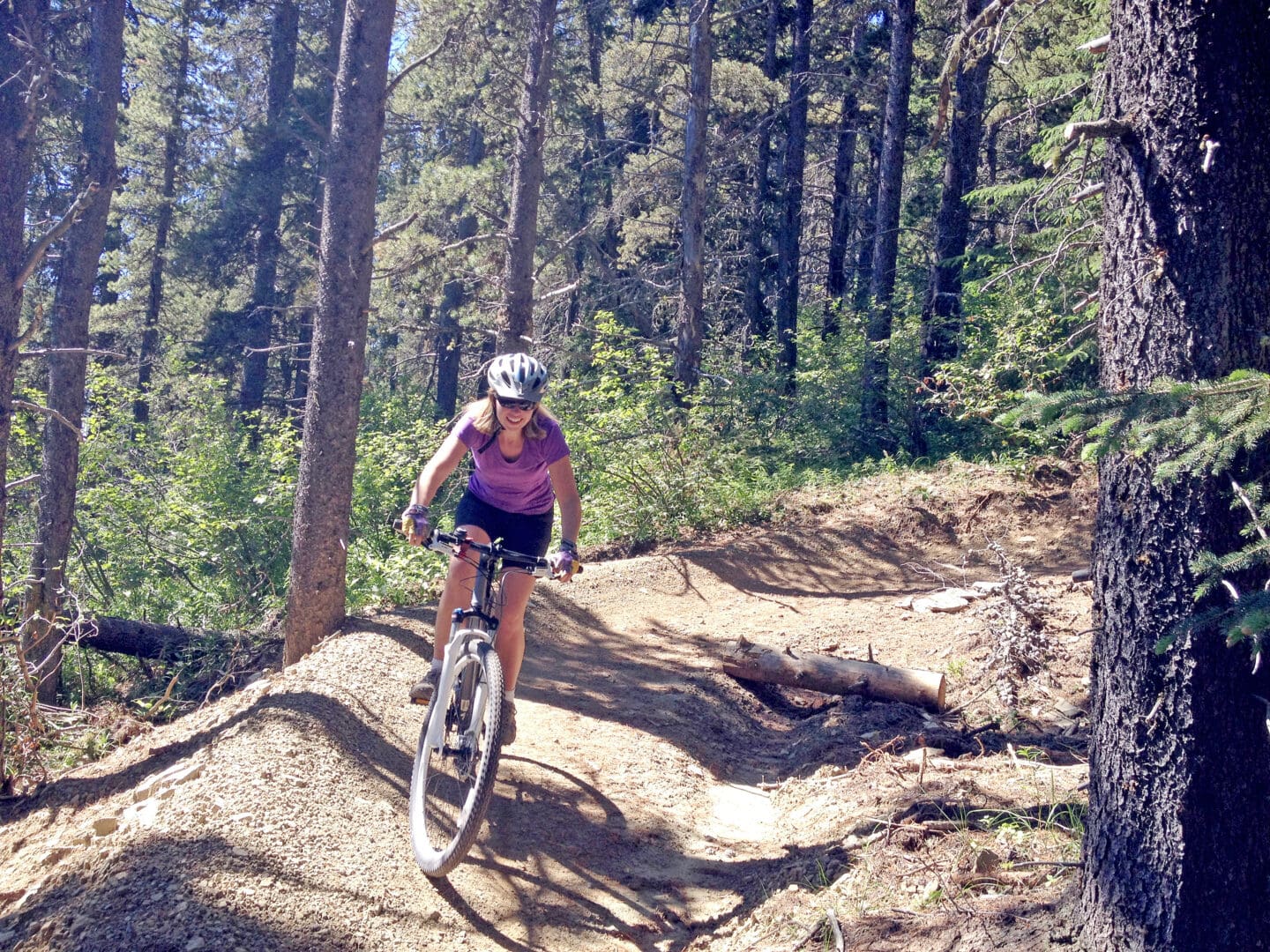
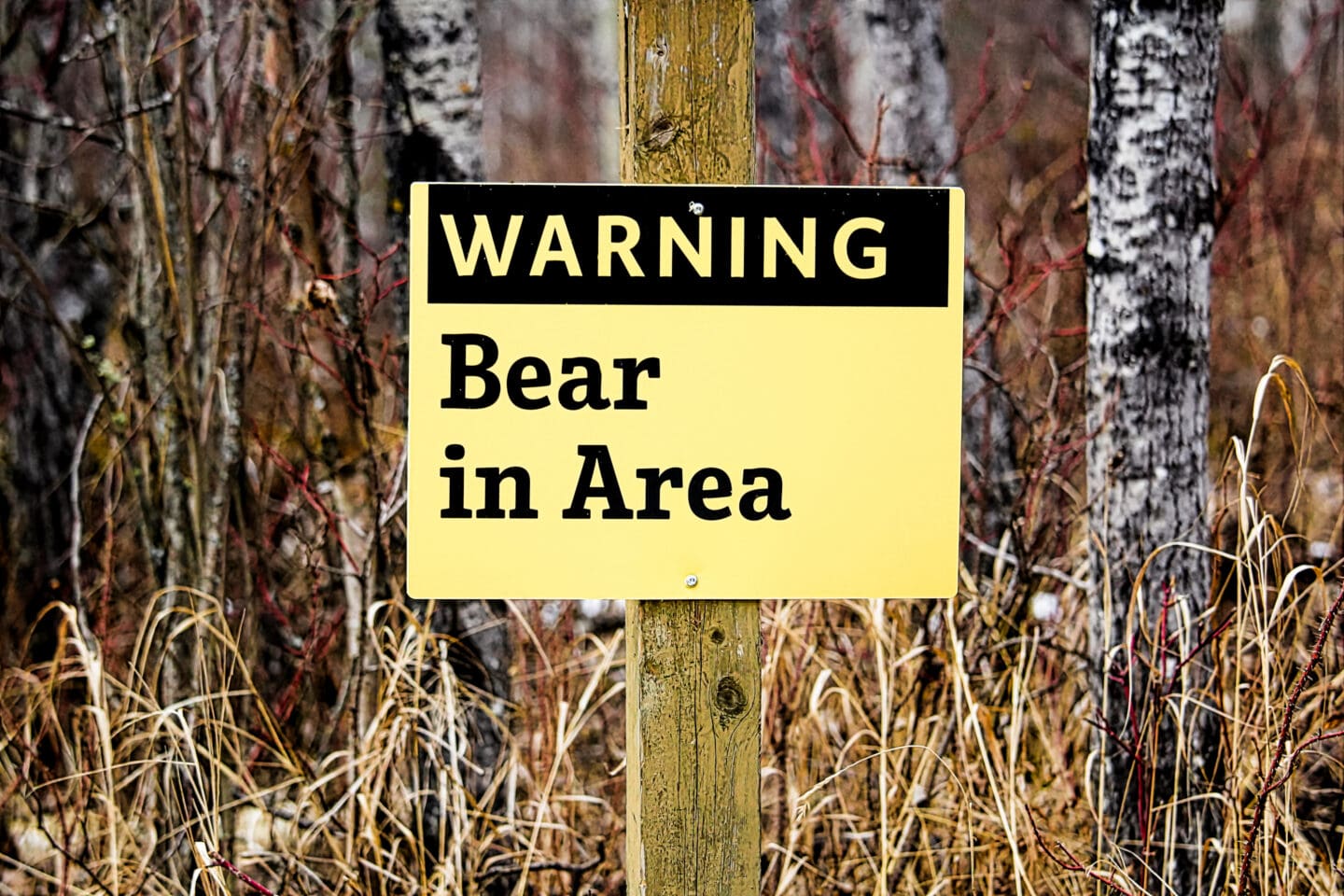
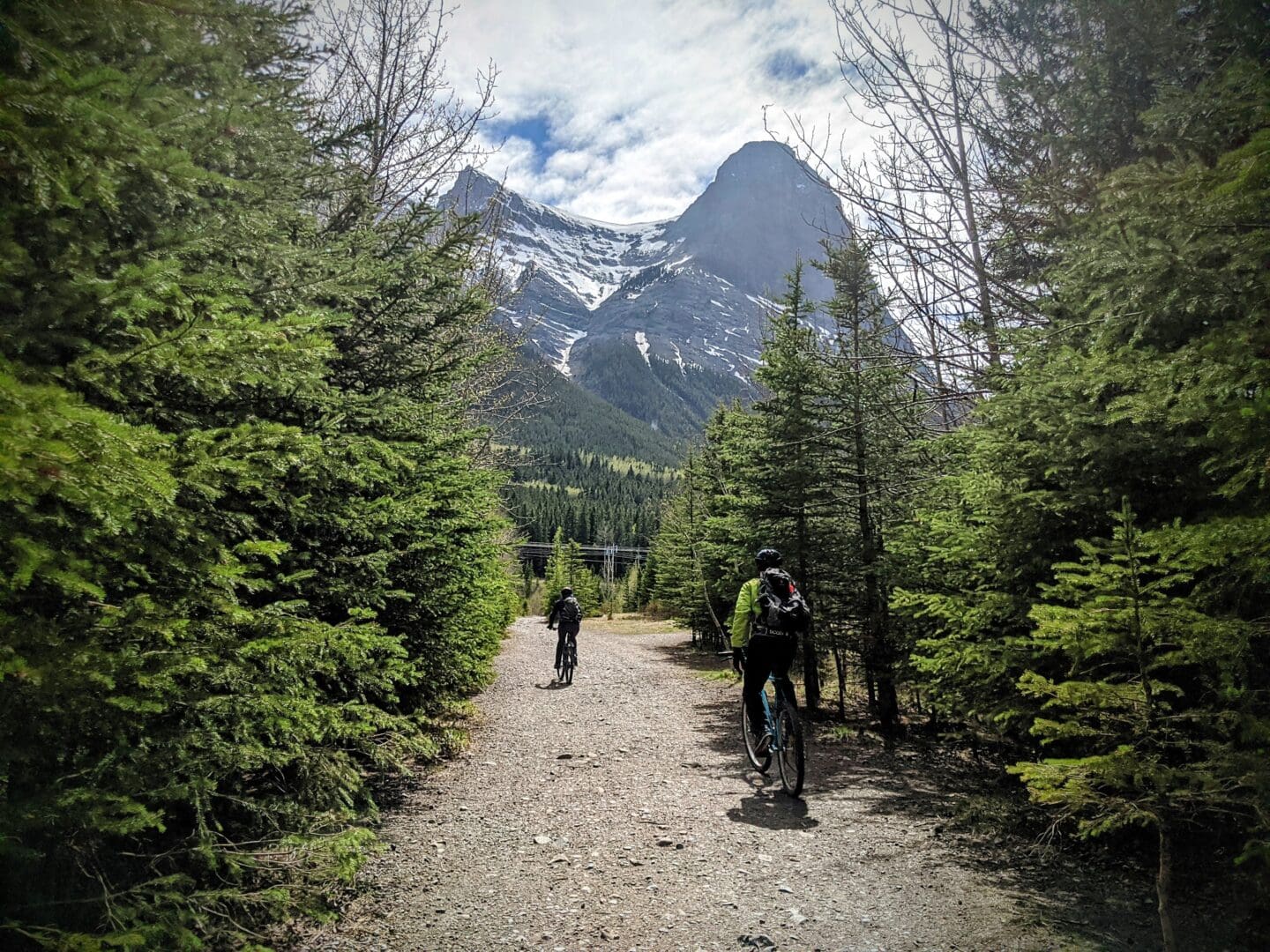
Speed increases danger when recreating where bears live. Fast downhill biking on narrow single-track trails through the woods can lead to surprise encounters with grizzly bears. When startled, bears may attack to defend themselves, which can injure or kill cyclists and often means the bear is destroyed, too.
Making it all work
Trails can be designed to work better for people and wildlife. For example, areas such as Canmore’s Nordic Centre can be designated for after dark exercise, with lit, set trails and clear sightlines. This gives wildlife predictable quiet zones elsewhere and reduces the chances of negative encounters for everyone.
In addition, other trail types such as fast downhills, might be better suited outside the busy Bow Valley where trails can be built with better sightlines and easier emergency vehicle access.
The system works best when people in the Bow Valley support zoning rules, respect closures, and model good practices to help people and wildlife coexist. With thoughtful choices, we can all thrive together.
What you can do
Comment on the Canmore trails master plan before Jan. 21, 2026.
Help spread the word. Share this guide with fellow trail users.
This work is done in collaboration with our partners at
Bow Valley Naturalists
Their mission is to protect, preserve, and stimulate better appreciation for natural ecosystems in the Bow Valley through education and advocacy.
Biosphere Institute of the Bow Valley
The Biosphere Institute of the Bow Valley is a community environmental nonprofit organization with the mission of empowering community leadership to address environmental challenges.
References and resources
- Frey, S., Volpe, J.P., Heim, N. A., Paczkowski, J., & Fisher, J. T. (2020) Move to nocturnality not a universal trend in carnivore species on disturbed landscapes. Oikos, 129: 1128-1140 https://doi.org/10.1111/oik.07251
- Thompson, P. R., Paczkowski, J., Whittington, J., & St. Clair, C. C. (2025). Integrating human trail use in montane landscapes reveals larger zones of human influence for wary carnivores. Journal of Applied Ecology, 62, 344–359. https://doi.org/10.1111/1365-2664.14837
- Whittington, Jesse & Low, Petah & Hunt, Bill. (2019). Temporal road closures improve habitat quality for wildlife. Scientific Reports. 9. 3772. https://doi.org/10.1038/s41598-019-40581-y
- In the Rockies, more and more people are heading to the woods. Are we pushing animals deeper into the night? in The Narwhal (August 2025)
- Mounting studies show wildlife connectivity in trouble in Bow Valley in Rocky Mountain Outlook (April 2025)
- West Bragg Creek trails master plan: for Bragg Creek Trails Association published by Alberta Government (January 2024)
- Making Space for Wildlife and Recreation from Fernie Trails Alliance (August 2025)